
LIFESTYLE
Following the trend of a high-protein diet? Don’t increase your intake without understanding your body’s needs..
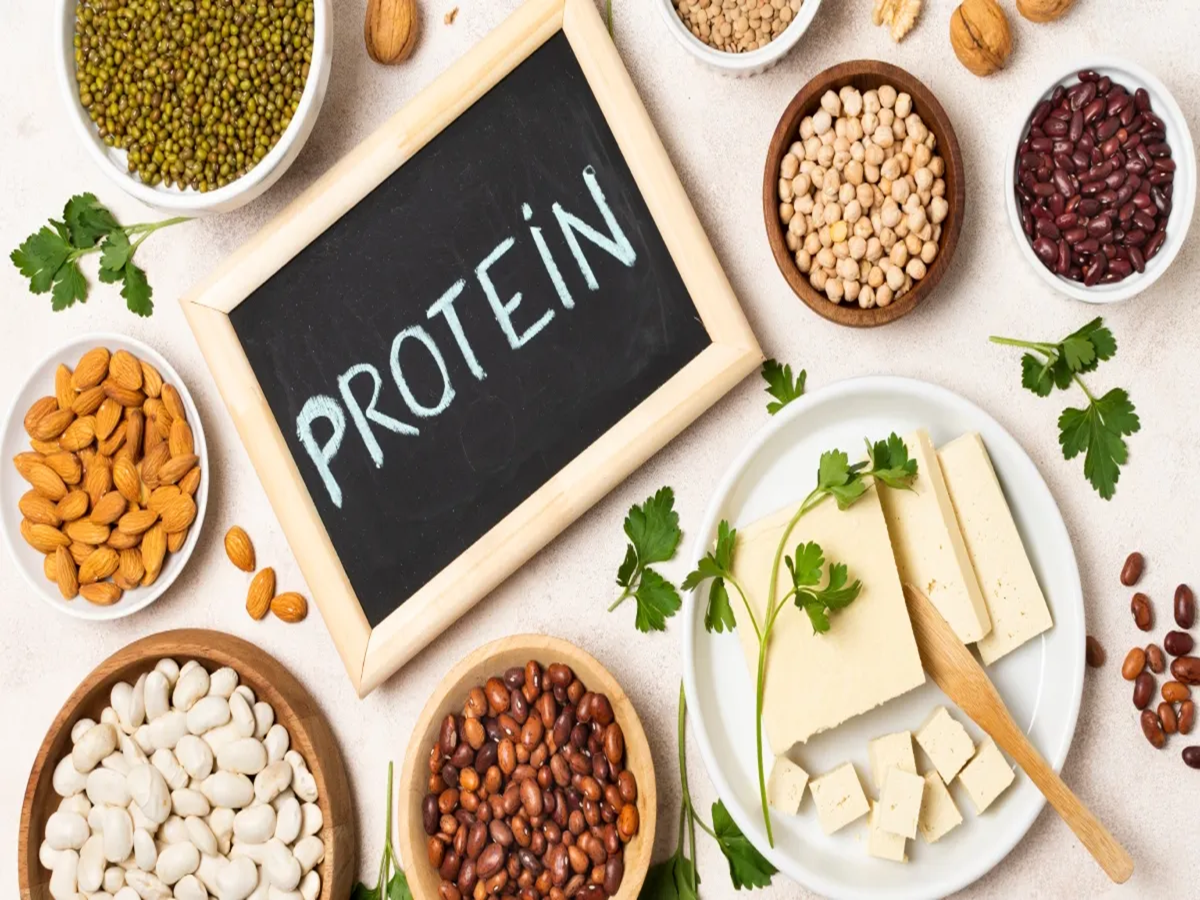
Protein is essential for carrying out almost every bodily function. However, there is another side to this: consuming more protein than necessary can place a significant burden on your kidneys, heart, and digestive system. So, what is the right amount of this crucial macronutrient to consume, and how can you tell if you are having too much? Let’s explore this in this article.

Why is protein important?
For producing digestive enzymes
For regulating hormones
For maintaining healthy hair, skin, and nails
For managing weight and blood sugar levels
For repairing and growing muscles
For strengthening the immune system
Factors that determine protein requirements
Protein intake is measured in grams per kilogram of body weight; therefore, individuals with a higher body weight require more protein.
People with a sedentary lifestyle (those who remain seated for most of the day) require less protein compared to those who engage in regular exercise, strength training, or physically demanding work.
As you age, your protein requirements increase; this helps minimize muscle loss and improve strength.
Those following vegetarian or vegan diets need to be mindful when selecting their protein sources.
Pregnant and breastfeeding women, as well as individuals recovering from an illness, require a higher daily protein intake—though this should always be done under medical guidance.
What happens when you consume too much protein?
Consuming excessive protein over a long period puts increased strain on the kidneys.
If a large portion of your protein comes from sources like red meat, the risk of heart disease may increase.
High-protein foods are often low in fiber, which can slow down digestion and lead to digestive discomfort.
A plate overloaded with protein leaves little room for carbohydrates and healthy fats. In such cases, a deficiency in various essential nutrients can occur.
How to tell if you are consuming too much protein:
Frequent thirst or a dry throat
Bloating, gas, diarrhea, or constipation
Bad breath
Feeling fatigued
Difficulty focusing
Muscle strain or cramps
How to achieve balance:
Opt for whole-food sources: Include fish, eggs, low-fat dairy, and plant-based proteins.
Distribute your intake: Instead of consuming all your protein at once, spread it out across your meals.

Pair it correctly: Combining protein with carbohydrates helps it function more effectively.
Plant-based proteins: Consuming plant-based proteins—such as tofu, legumes, and nuts—supports healthy digestion and helps you feel full for longer.
Before using supplements: If you are consuming protein in the form of powders, shakes, or bars, check for added sugars, saturated fats, and excess calories.
PC Social Media