
LIFESTYLE
Does the moon really turn blood red on a Blood Moon? Learn the astronomical reason behind the lunar eclipse on March 3..
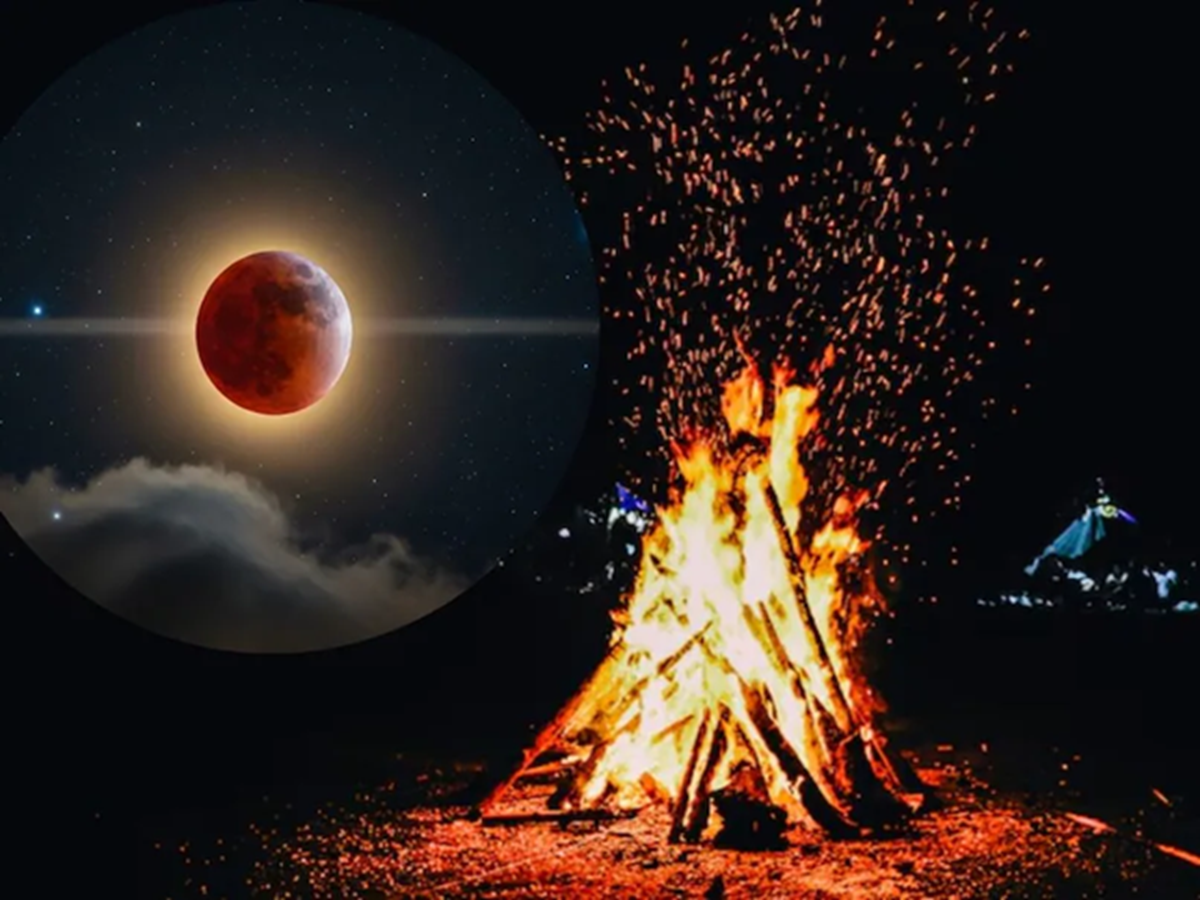
Blood Moon Chandra Grahan 2026: The first lunar eclipse of 2026 will occur on Tuesday, March 3rd, and Holika Dahan will be performed in many places on this day. However, in some places, Holika Dahan will also be performed on March 2nd and 4th. On March 3rd, a rare astronomical event will be observed in the sky. During a total lunar eclipse, the Moon may appear coppery or blood red. This is why it is popularly called the Blood Moon. However, the question arises: does the Moon actually turn red during this time, or is it just an optical illusion? Let's understand the scientific reason behind it.
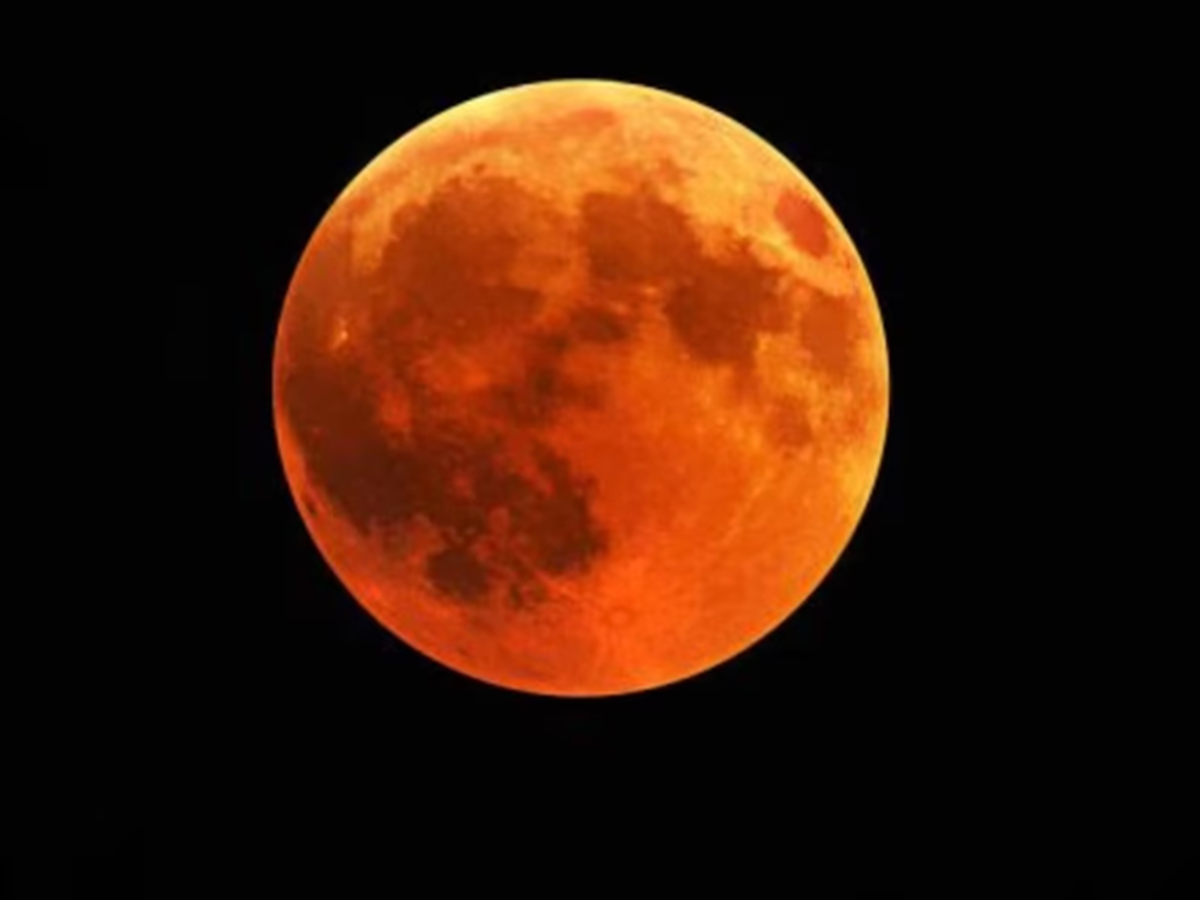
A lunar eclipse is a beautiful astronomical event that occurs four to seven times a year. During this time, the Earth, Moon, and Sun align in a straight line. The Moon's orbit is slightly tilted relative to Earth's orbit, so an eclipse does not occur on every full moon, but only occasionally.
A lunar eclipse occurs on the full moon, while a solar eclipse occurs on the new moon. During a lunar eclipse, the Earth's shadow falls on the Moon, causing it to appear hazy or red. This eclipse is visible from half of the Earth. These events are a unique display of nature. They can be seen without any instruments in a clear sky. The first lunar eclipse of 2026 will be a total lunar eclipse, or blood moon. The second lunar eclipse will be on August 28. It will be a partial lunar eclipse. There are three main types of lunar eclipses: a total lunar eclipse, a partial lunar eclipse, and a penumbral lunar eclipse.
How does the Moon turn red? During a total lunar eclipse, the Moon completely enters the Earth's deep shadow (umbra). Sunlight passing through Earth's atmosphere reaches the Moon. Blue and violet light is scattered more, while red and orange light reaches directly. This is why the Moon appears red or orange, known as a blood moon. The more dust or clouds in the atmosphere, the deeper the red color appears. This eclipse can last for several hours. This same process gives the sky a reddish hue at sunrise and sunset. Due to this effect, the light falling on the Moon has a reddish hue and appears coppery.
Total Lunar Eclipse: A blood moon is another name for a total lunar eclipse. Sunlight appears white, but it contains many colors. During sunset or sunrise, red light reaches the moon more because blue light is scattered. The same thing happens during a lunar eclipse. Light passing through the Earth's atmosphere falls on the moon, as if all the sunrises and sunsets in the world are projected onto the moon simultaneously. This is why the moon appears red.
Partial Lunar Eclipse: When the moon passes through only a portion of the Earth's shadow, the shadow grows but does not completely cover the moon, then recedes.
Penumbral Lunar Eclipse: A penumbral lunar eclipse occurs when the Earth, Sun, and Moon are aligned, and the Moon enters the Earth's outer lighter shadow (penumbra). During this time, the moon appears very faint or dim, sometimes invisible.
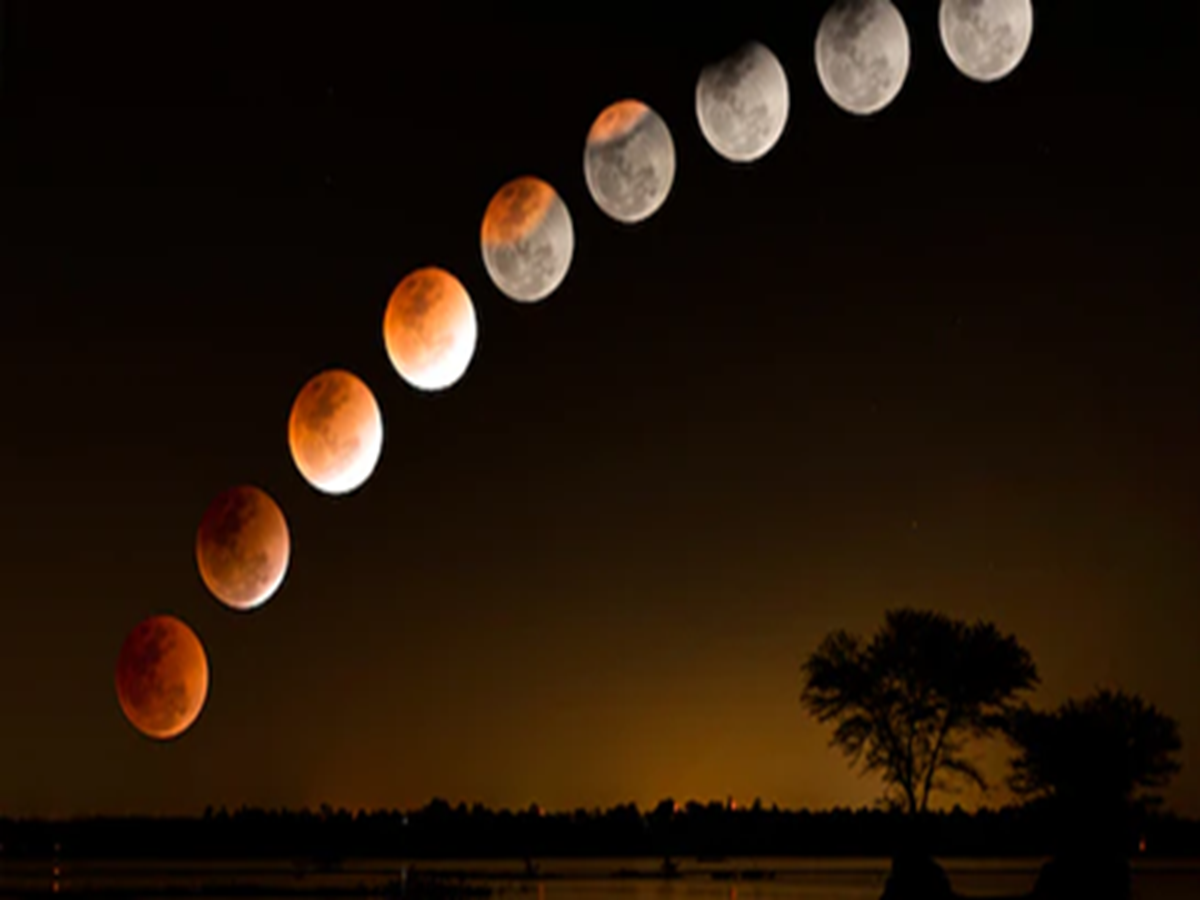
Is it an ominous sign? Throughout history, many myths and beliefs have been associated with the blood moon. In ancient civilizations, it was considered a sign of war, disaster, or ominous events. But modern science clearly states that this is a completely natural and predictable astronomical phenomenon. It does not have any negative impact on Earth.
PC Social Media