Parenting
Child Health: Weak immunity or parental mistake? How to prevent children from getting sick in winter?
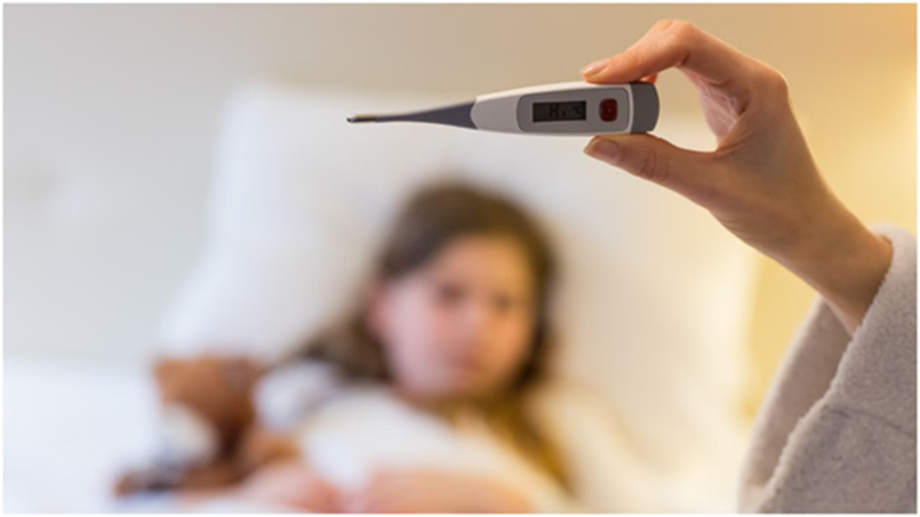
Winter Health Care for Kids: As soon as the winter season begins, even a small sneeze echoing in the house makes parents' hearts race. Children's delicate skin, chapped lips, and attempts to ward off the cold by wrapping their arms around themselves – all these things worry parents. In winter, children are more susceptible to colds, earaches, coughs, and mild fevers, and then a series of worries arises: Is my child's immune system weak? Did I not dress him/her warmly enough? Did he/she catch a cold from playing outside?
It's natural for parents to be worried in this situation. According to doctors, if children get sick occasionally, it's a normal process of strengthening their immunity, but if they fall ill frequently, you need to be cautious. A little common sense, proper care, and adjustments according to the weather can protect your child from the cold and strengthen their immune system. Then, no matter how chilly the weather is, your child will remain happy, active, and completely healthy.
Why do they get sick so often?
Pediatricians say that low temperatures and cold waves do not directly cause infections in children. These two factors create conditions that increase health risks in children. During the colder months, children spend more time indoors or in enclosed spaces. This increases the likelihood of them coming into contact with germs from other children at school, home, or daycare. On the other hand, children's immune systems are still developing. They haven't been exposed to most of the viruses that cause common illnesses. Therefore, they get sick more often than adults.
Also, the cold, dry air dries out the nasal mucous membranes. The mucous membrane plays a crucial role in protecting the body from pathogens. Some viruses, such as the flu virus, can remain stable in the body for longer periods in cold weather. Additionally, young children often touch their mouths and noses with their hands, increasing the risk of infection. Weak Immune System
Children's immune systems weaken during the winter months. There are several reasons for this. Cold, dry air creates a favorable environment for viruses to spread, making children more susceptible to infection. Reduced sunlight during this season leads to lower vitamin D levels, further weakening immunity. Additionally, reduced physical activity due to the cold weather also impacts the immune system. All these factors make children more vulnerable to infections during the winter.
Precautions are Necessary
While it's not always possible to completely avoid colds and flu, certain precautions can significantly reduce the risk. The most important thing is strengthening children's immunity, as a strong immune system is the best defense against viruses and infections. This requires ensuring children eat nutrient-rich fruits and vegetables daily, which are abundant in vitamins, minerals, and antioxidants. Vitamin C, in particular, is considered effective in protecting against colds and flu, so giving children fruits like oranges, kiwis, and strawberries is beneficial.
In addition, zinc is essential for children's proper development and boosting immunity. They can be given dry fruits like almonds, walnuts, and cashews, as well as pumpkin or sunflower seeds, daily. Lentils are also a good source of zinc and help fight infections. Regular exercise is also crucial, as it improves blood circulation and strengthens the immune system.
Hygiene Rules
Viruses survive longer and spread more easily in winter. Therefore, maintaining hygiene is extremely important. Establish some hygiene rules. Instruct children to wash their hands frequently with soap for at least 20 seconds. Where handwashing is not possible, they can use hand sanitizer. Prevent them from touching their face, especially their eyes, nose, and mouth, as these are entry points for germs. For very young children, you should assist them in maintaining cleanliness. Warm Clothing
Cold temperatures weaken the body's ability to fight off infections, so it's essential to choose warm clothing for children that will keep them comfortable. When going outside, make sure they wear gloves, scarves, and hats to cover exposed areas and prevent cold air from directly affecting their bodies. Additionally, the air inside homes often becomes very dry during the winter due to heating systems, which can irritate or dry out children's respiratory systems. To prevent this, use a humidifier to maintain moisture in the air and reduce the activity of viruses. Also, ventilate your home regularly to allow fresh air in and stale air out.
Hydration and Nutritious Diet
Giving children warm and nutritious foods during winter is an easy way to boost their immunity. Warm beverages like herbal tea or ginger tea keep the body warm from the inside, as they have natural immune-boosting properties. A little honey can be added to these drinks before giving them to children. Similarly, soups made with fresh vegetables provide comfort, warmth, and nutrition. Be sure to include citrus fruits like oranges and kiwis in their diet, along with garlic, which is considered a natural antiviral, and ginger, which has anti-inflammatory properties. Also, allow children to get enough rest so that their immunity can be strengthened.
Sufficient Sleep
One of the most important factors in strengthening the immune system is sleep. A child's sleep requirement varies depending on their age, ranging from 12-16 hours for infants to 8-10 hours for teenagers. Sleep should be uninterrupted. To cope with stress, children can practice meditation, yoga, deep breathing, or other relaxation techniques.

Avoid Crowded Places
Dr. Deepak Kumar, Professor in the Department of Pediatrics at Maulana Azad Medical College, Delhi, explains, "The first and most important thing is to change children's diet as soon as the weather changes. Give them food that is rich in nutrients and strengthens their immunity. Be sure to include seasonal fruits and vegetables in their diet. The second important thing is to give children enough water. Fill their water bottle with lukewarm water and also give them warm beverages when needed."
PC Social Media