LIFESTYLE
Are you also making the mistake of tying a gold or silver Rakhi? Learn about the rules associated with the sacred thread..
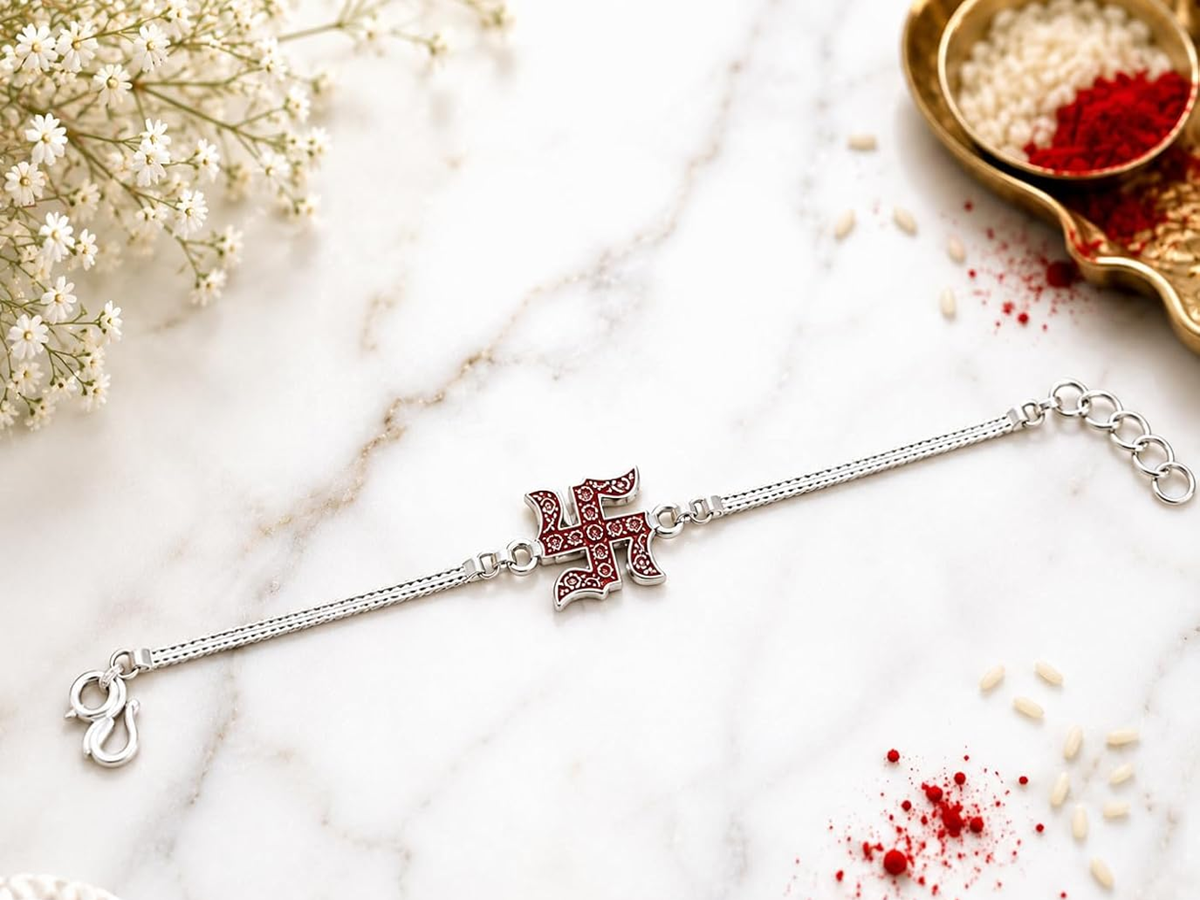
Raksha Bandhan 2026 – Rules for Rakhi: The festival of Raksha Bandhan will be celebrated on the full moon day (Purnima) of the bright fortnight (Shukla Paksha) of the Sawan month; this year, this auspicious date falls on Friday, August 28. Although a lunar eclipse will coincide with Raksha Bandhan this year, it will not be visible in India, allowing sisters to tie the Rakhi to their brothers without any hindrance. The festival symbolizes the love, trust, and mutual pledge of protection between siblings. On this day, sisters tie a Rakhi—or *Raksha Sutra* (sacred thread of protection)—around their brother's wrist, and the brother vows to protect his sister.
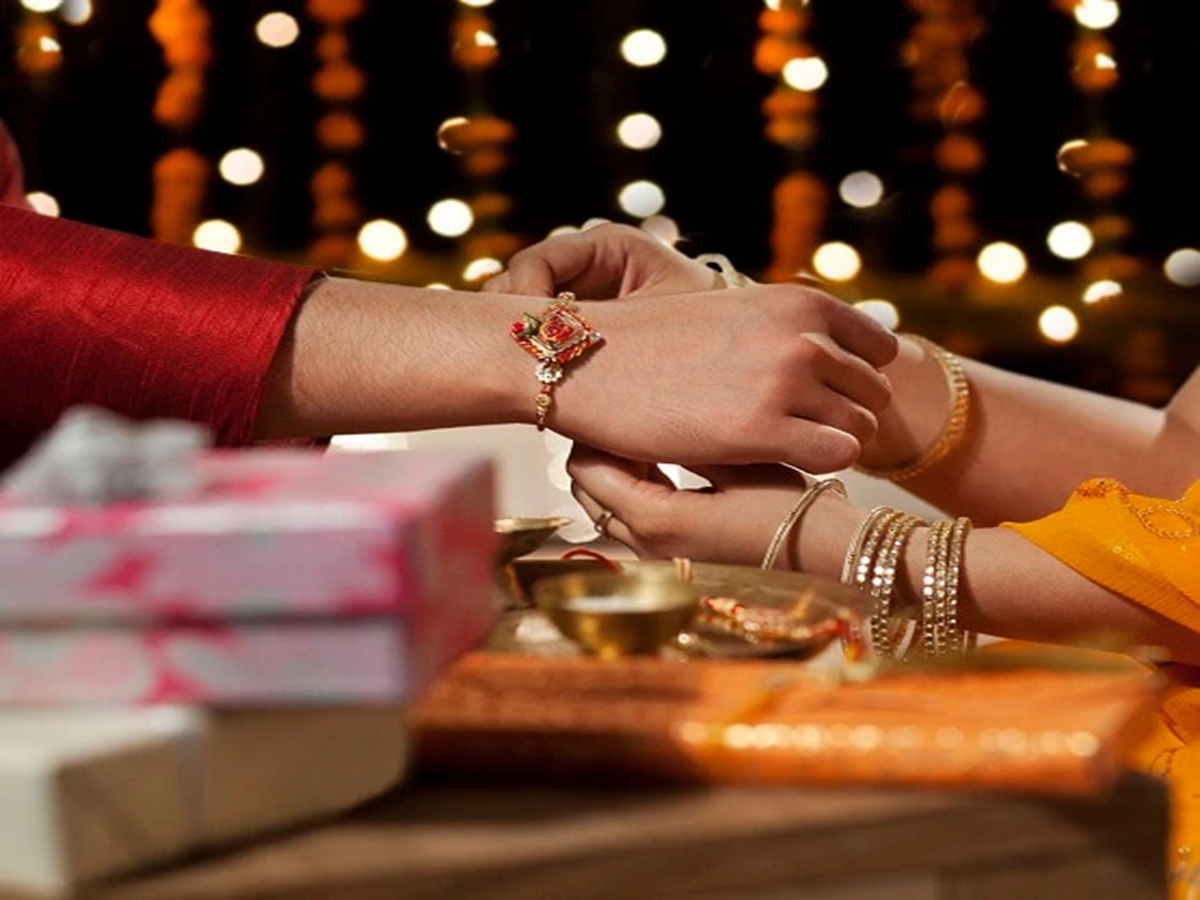
With changing times, a wide variety of Rakhis, ranging from gold and silver to fancy designs, are available in the market. Many people purchase these, considering them valuable and auspicious. However, religious traditions prescribe the tying of a *Raksha Sutra* (sacred thread) on the brother's wrist; therefore, one should avoid the mistake of tying a Rakhi made of gold or silver. Let us understand the rules associated with the *Raksha Sutra* on Raksha Bandhan...
According to Hindu scriptures and astrology, the *Raksha Sutra* (Rakhi) is not merely a thread but a protective shield. Scriptures consider a *Raksha Sutra* made of silk or cotton thread to be the best. Tradition dictates that the *Raksha Sutra* should primarily be made of red, yellow, and white threads. These three colors are associated with the *Tridev*—Brahma, Vishnu, and Mahesh. Red symbolizes Lord Brahma, yellow symbolizes Lord Vishnu, and white symbolizes Lord Shiva. If a *Raksha Sutra* containing all three colors is unavailable, religious belief permits the use of threads in at least red and yellow. It is important to remember that the purpose of the *Raksha Sutra* is not ostentation, but rather a pledge for the brother's well-being and protection.
**Sandalwood in Rakhi is Considered Auspicious**
The use of sandalwood in the *Raksha Sutra* or Rakhi is also considered auspicious. In many traditions, sandalwood paste or a small piece of sandalwood is attached to the Rakhi. Sandalwood symbolizes coolness, purity, and positivity. It is believed that a *Raksha Sutra* containing sandalwood brings good fortune and auspiciousness to both the brother and the sister. **Rudraksha and Tulsi Rakhis Hold Special Significance**
Nowadays, Rakhis featuring Rudraksha and Tulsi beads are easily available in the market. From a religious perspective, Rudraksha is associated with Lord Shiva, while Tulsi is linked to Lord Vishnu; consequently, Rakhis made from these materials are considered spiritually significant. Tying such a Rakhi on a brother's wrist is seen not merely as an act of ornamentation, but as an expression of reverence and spirituality.
**Expensive Rakhis Are Not Essential**
It is not necessary to purchase an expensive Rakhi for the occasion of Raksha Bandhan. If one cannot afford gold, silver, or fancy Rakhis, a simple *Kalava* or *Mauli* (sacred thread) can be tied with equal devotion. Religious tradition places the highest value on sentiment; therefore, the significance of a simple sacred thread is not diminished when tied with love and trust.
**Avoid Impure Materials in Rakhis**
To maintain the sanctity of the sacred thread, materials considered religiously impure—such as leather—should not be used. It is advisable to pay attention to the thread and decorative elements when purchasing a Rakhi.
**Choosing the Right Rakhi**
The essence of Raksha Bandhan lies not in an expensive or flashy Rakhi, but in the love, trust, and good wishes shared between siblings. Those who adhere to religious beliefs may choose traditional sacred threads, *Mauli*, or Rakhis incorporating sandalwood, Rudraksha, or Tulsi, according to their devotion. Most importantly, the act of tying the Rakhi should be accompanied by a sincere wish for the brother's happiness, health, and prosperity.
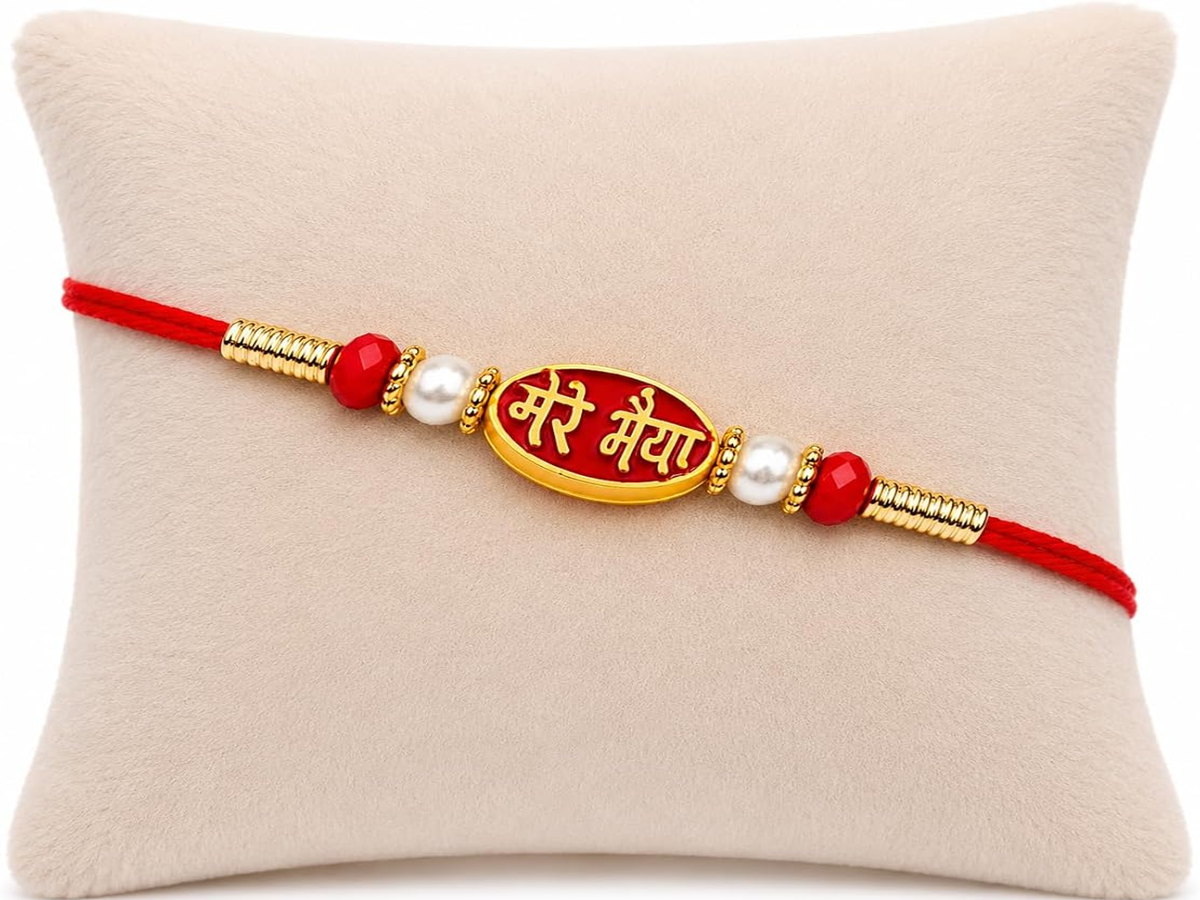
**Points to Consider When Tying Gold or Silver Rakhis**
There is no harm in tying a gold or silver Rakhi; doing so is believed to strengthen planetary influences. In astrology, gold is associated with the Sun, and silver with the Moon. If you wish to tie a gold or silver Rakhi, it is recommended to first tie a traditional sacred thread (*Raksha Sutra*) and then add the gold or silver Rakhi over it.
PC Social Media