LIFESTYLE
Will the arrival of El Niño lead to an increased risk of disease? WHO expresses concern for India..
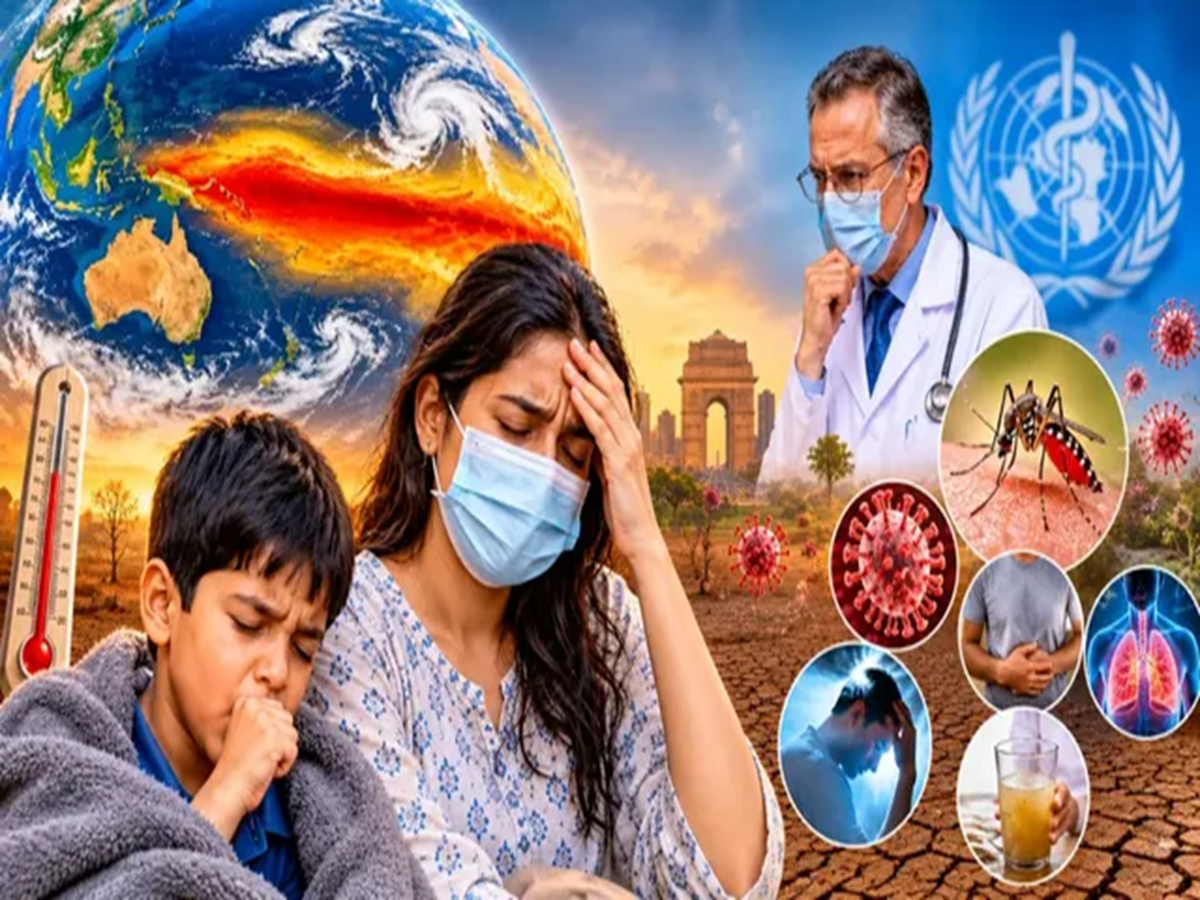
The rapid developments in the Pacific Ocean, known as 'El Niño,' are no longer confined to mere climate change. Their impact is now being felt on human health, prompting the World Health Organization (WHO) to classify the situation as a 'Grade 3' global emergency.
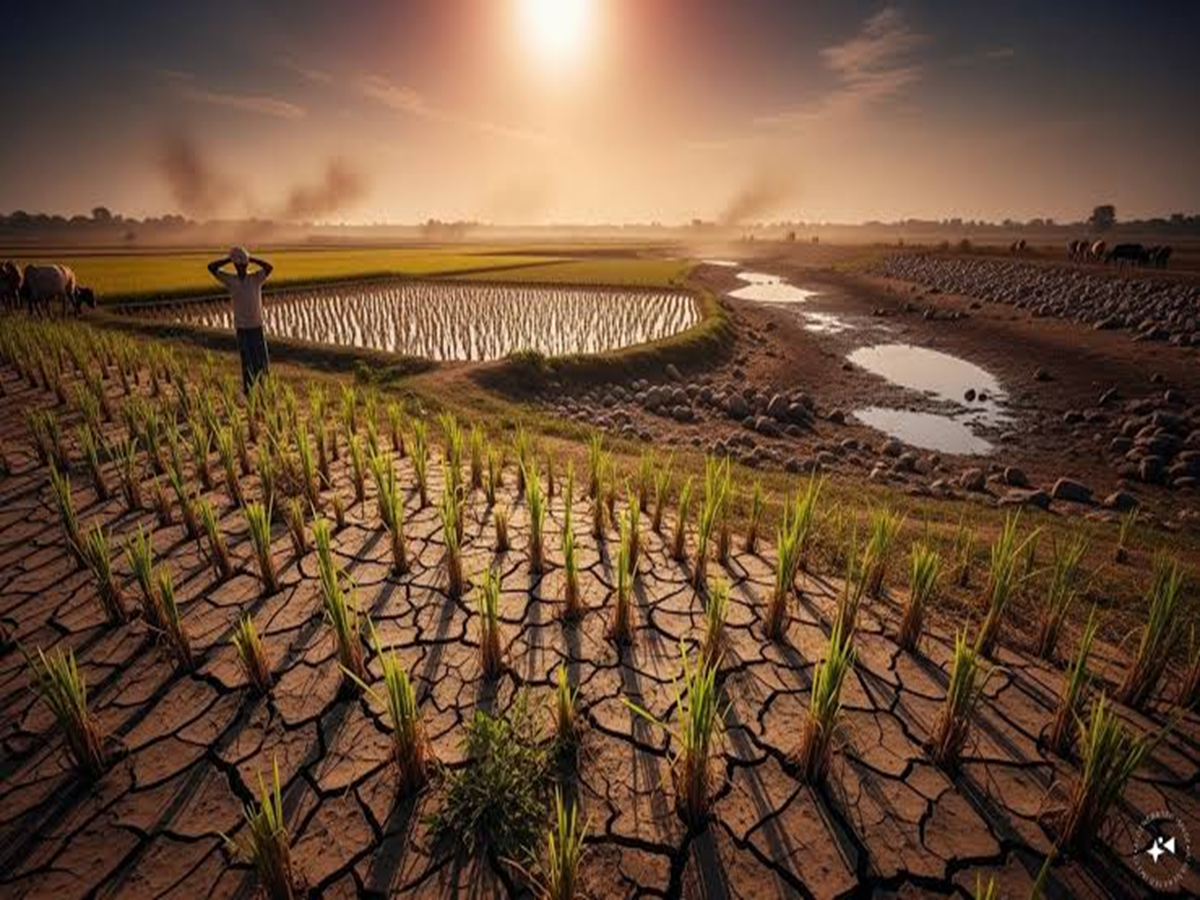
A 'Grade 3' classification represents the highest level of emergency response. Consequently, there is an anticipation of major health emergencies across various nations worldwide between October 2026 and September 2027. Given that India is included among these nations, it is crucial to understand the threat posed by El Niño from an Indian perspective.
**India Faces the Highest Risk from El Niño in South Asia**
In its global assessment from September 2026, the World Health Organization identified South Asia as the region most vulnerable to the effects of El Niño. The report suggests that these countries could face higher-than-normal temperatures, intensified droughts, heatwaves, and an increased risk of waterborne diseases.
**What Health Risks Does India Face?**
India has been categorized as a country with a 'high' or 'very high' health risk, which could lead to an increased incidence of several diseases:
**Dengue and Malaria**
Changes in temperature are expected to promote mosquito breeding, potentially accelerating the spread of diseases like dengue and malaria. The northeastern region of India is considered to be at the highest risk for the spread of malaria.
**Heat-related Illnesses**
Due to temperatures rising above normal levels during an El Niño event, there is a high likelihood of an increase in cases of heatstroke, along with a rise in other heat-related health complications.
Leptospirosis
There is a high risk of the spread of waterborne diseases, such as leptospirosis and diarrhea, due to contaminated water. In such situations, it is essential to focus on water hygiene.
Malnutrition
In some areas, drought conditions can become so severe that they may lead to an increase in cases of malnutrition. Children under the age of 5 and pregnant women will be the most vulnerable in these circumstances.
PC Social Media