LIFESTYLE
Why is there a peacock feather in Lord Krishna's crown? You will be amazed to know the reason..
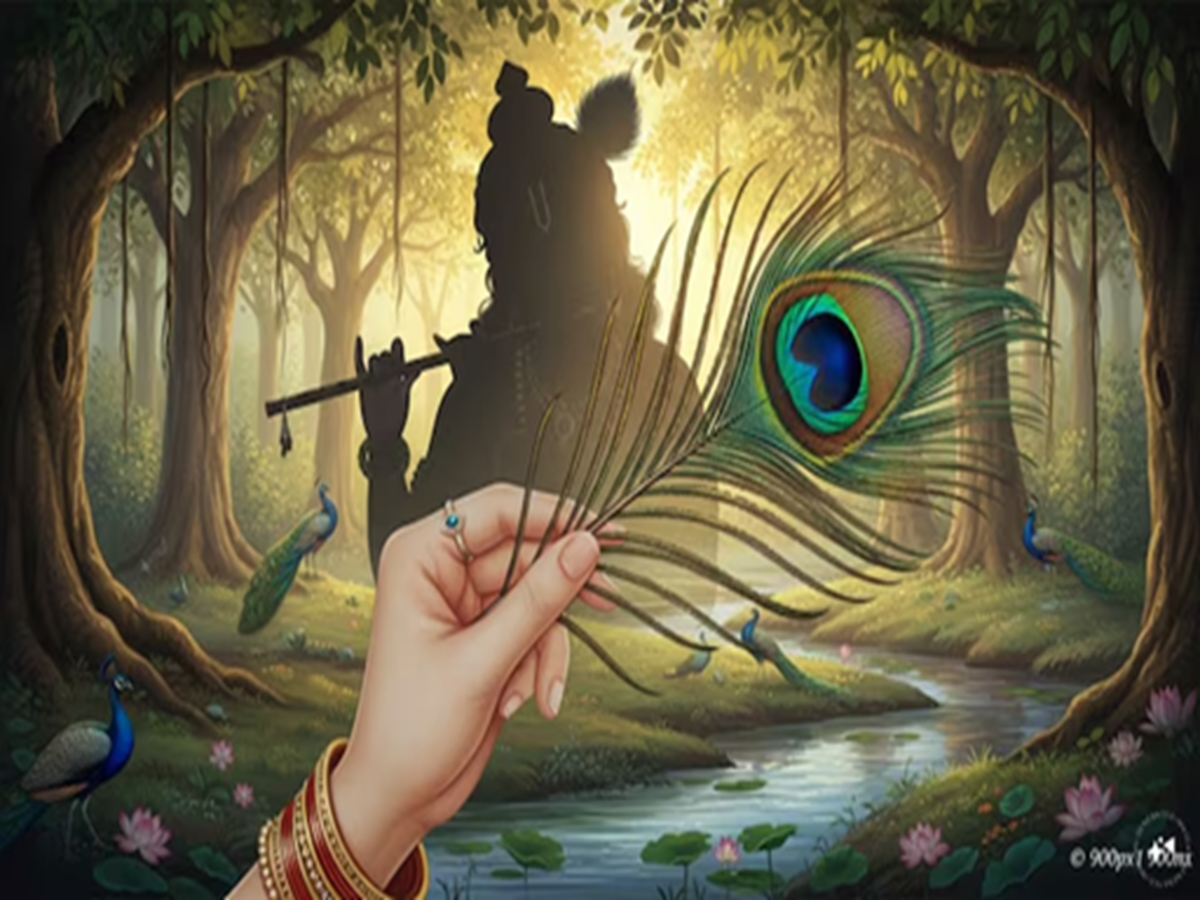
Lord Krishna's Peacock Feather: When looking at a picture or idol of Lord Krishna, the first thing that catches the eye is the beautiful peacock feather adorning his crown. The flute, the yellow garment (*Pitambar*), and the peacock feather have become his hallmarks; yet, have you ever wondered why Krishna chose the peacock feather specifically? Was it merely for its beauty, or is there a deeper spiritual message hidden within? In Sanatan tradition, every symbol holds unique significance. The peacock feather gracing Krishna's head is not just an ornament but a symbol of several vital life lessons.
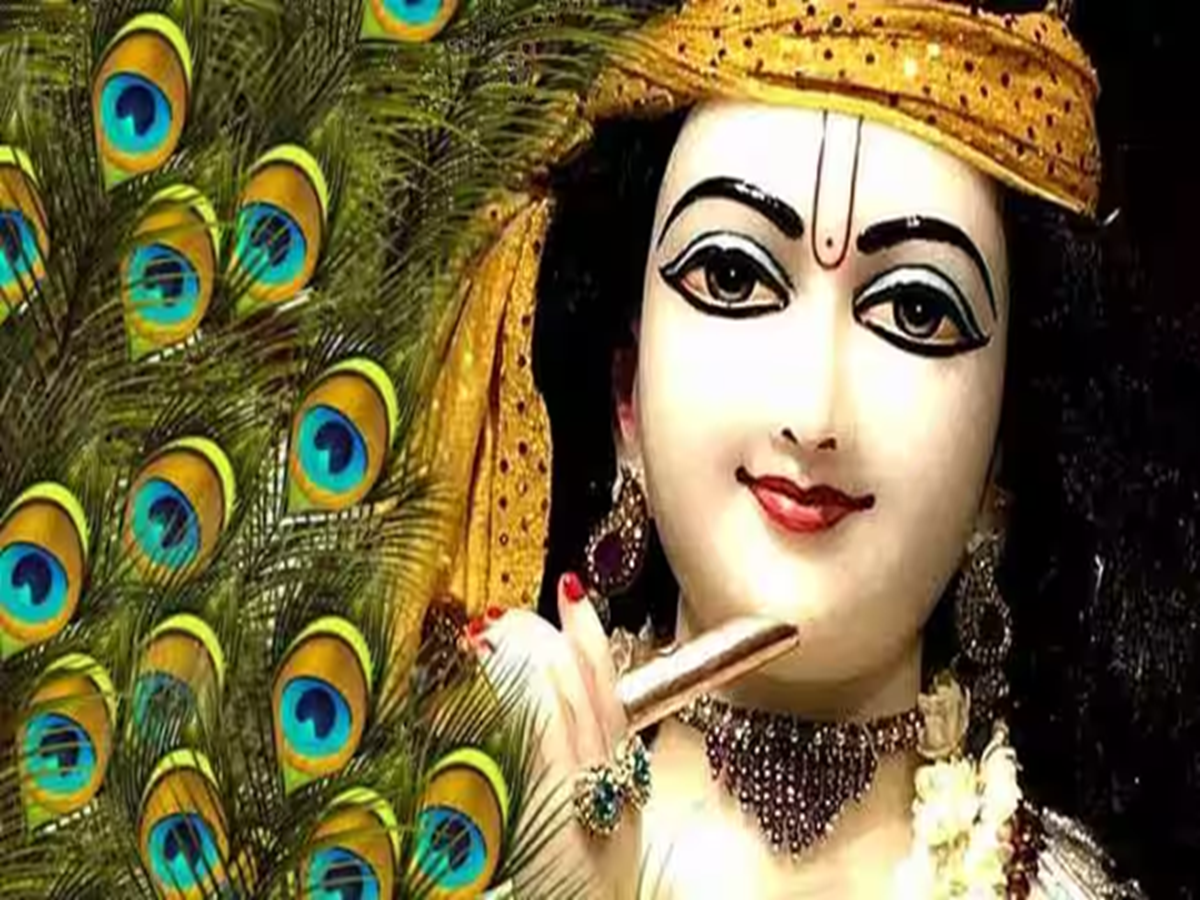
This is why, whether during Janmashtami or any other religious event, devotees associate Krishna's peacock feather with auspiciousness, prosperity, and positive energy. It is believed that keeping a peacock feather in the home temple fosters a positive atmosphere and invites the grace of Lord Krishna. Let us explore the religious, spiritual, and cultural significance of the peacock feather and how it is intertwined with Krishna's persona.
**The Peacock Feather: More Than Just Adornment—A Profound Message**
The peacock feather in Lord Krishna's crown symbolizes humility, love, and purity. Despite its captivating beauty, the peacock remains free from arrogance. Thus, the peacock feather teaches us that no matter how much success one achieves in life, one should never abandon humility. Scriptures state that Krishna's life conveys a message of love, compassion, and balance—qualities that the peacock feather embodies.
**The Unique Bond Between the Peacock Feather and Nature**
1. **A Symbol of Love for Nature**
Lord Krishna’s entire life was spent amidst nature. He shared a deep bond with the lanes of Vrindavan, the banks of the Yamuna, the company of cows, and the lush greenery. Consequently, the peacock feather reflects his love for nature. Even today, when discussing environmental conservation, Krishna's message—that the relationship between humanity and nature must remain balanced—remains highly relevant.
2. **A Symbol of Positive Energy**
According to religious beliefs, the peacock feather is considered a dispeller of negative energy. Many people keep it in their home temple, place of worship, or safe. It is believed to foster happiness, peace, and a positive atmosphere in the home. However, there is no scientific evidence to support these beliefs; they are regarded as matters of religious faith and tradition.
What lessons can be drawn from the persona of Lord Krishna?
Lord Krishna never defined himself by royal opulence. Instead of gold or diamonds, he chose a peacock feather—a gift from nature—to adorn his crown. This conveys the message that true beauty lies in simplicity, love, and noble thoughts. Even today, many people dress their children as Lord Krishna on Janmashtami and invariably place a peacock feather in their crowns. This practice is seen not merely as a tradition but as a way to remember the Lord's ideals.
Where are peacock feathers kept?
According to religious belief, people keep peacock feathers in their home temples, prayer rooms, study rooms, or safes. It is believed that doing so enhances positivity and brings mental peace. Some people also place them on children's study desks, as it is thought to improve concentration. However, this is a matter of religious faith and should be accepted as such.
Why does the peacock feather remain significant today?
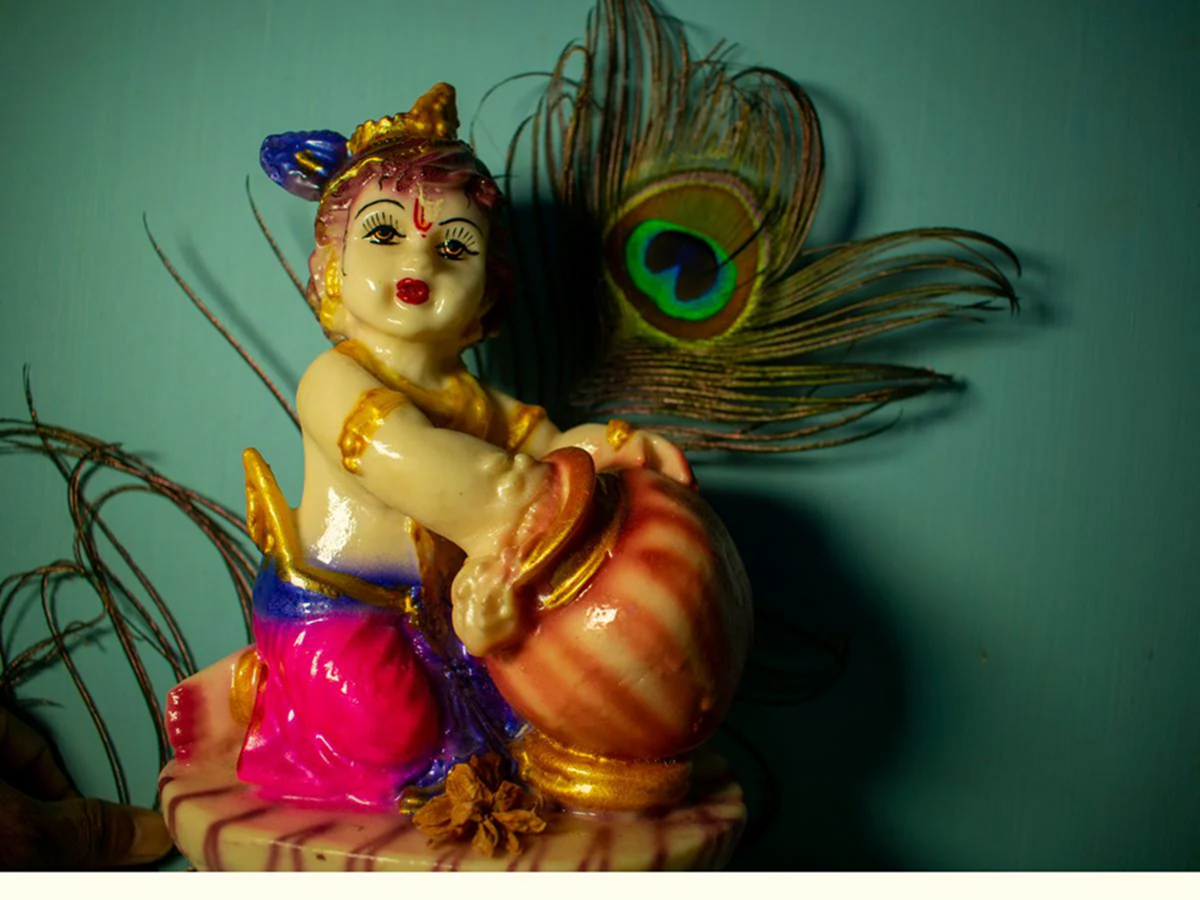
Despite the passage of time, the popularity of Lord Krishna's peacock feather has not waned. It continues to hold a special place in religious events, temples, artwork, and worship materials. The primary reason for this is that the peacock feather is not just a decorative object; it symbolizes love, balance, humility, and respect for nature. Whenever Lord Krishna is remembered, the peacock feather evokes the simplicity and divinity of his character—qualities that have inspired millions over the centuries. Lord Krishna's peacock feather teaches us that simplicity, love, humility, and respect for nature are life's greatest ornaments. That is why this humble feather remains a symbol of faith, positivity, and spiritual inspiration to this day.
PC Social Media