LIFESTYLE
Why, exactly, is the first roti fed to a cow and the last to a dog? Discover the religious beliefs behind this practice..
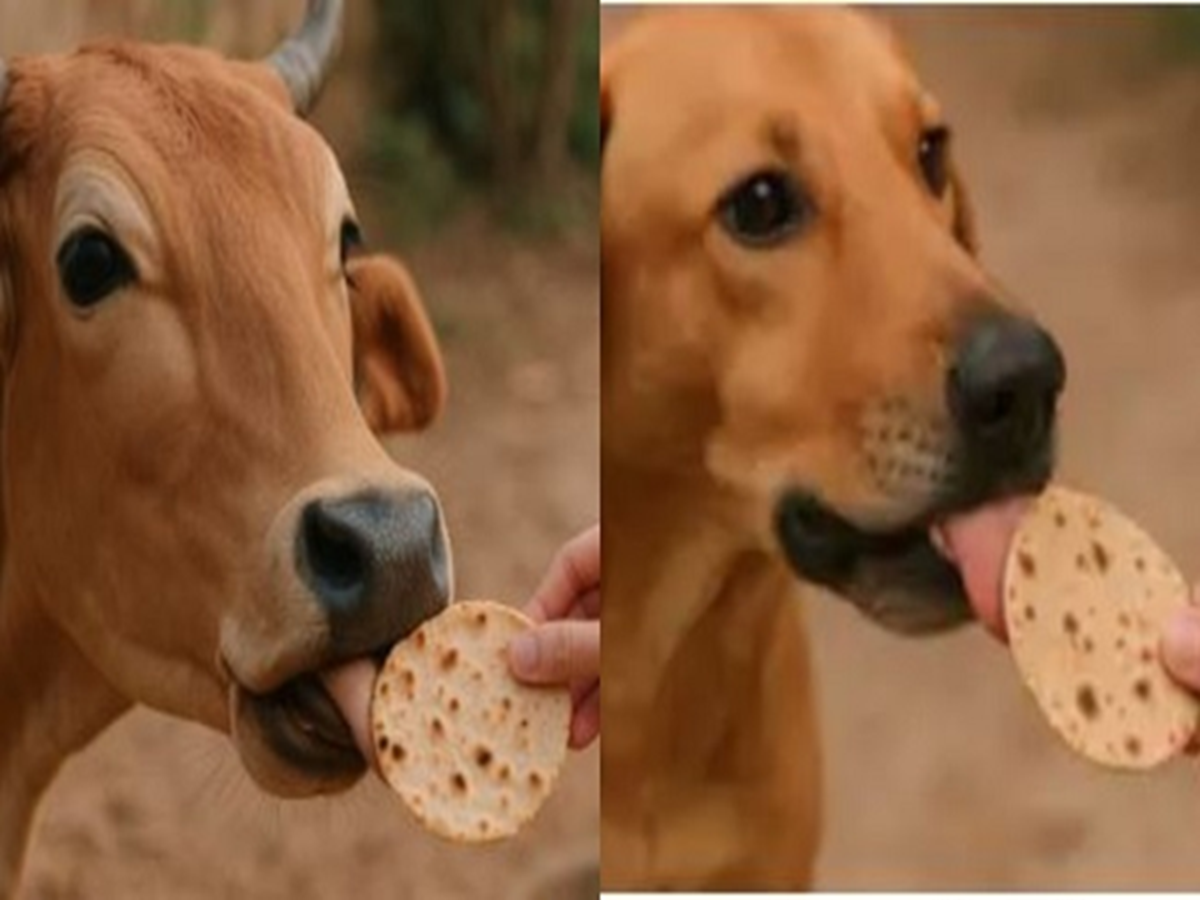
Indian culture is home to numerous centuries-old traditions that remain an integral part of people's lives even today. One such tradition involves offering the first *roti* (flatbread) to a cow and the last *roti* to a dog after a meal has been prepared. Despite modern lifestyles, a vast number of people across the country—in both villages and cities—continue to observe this tradition with deep reverence and faith. According to religious and astrological beliefs, this practice is considered not only meritorious but also a means of inviting happiness, prosperity, and positive energy into the home.
**The Status of the Cow as a Mother in Hinduism**
Pandit Deeplal Jaipuri, an astrologer from Ambala, explained that according to religious tenets, the cow is accorded the status of a mother (*Gau Mata*). In Hinduism, it is believed that the cow serves as the abode for 33 *koti* (types) of deities. For this very reason, offering the first *roti* of a meal to a cow is considered an extremely auspicious act.
**Why is the First *Roti* Given to a Cow?**
According to Pandit Deeplal Jaipuri, regularly feeding a cow helps maintain abundance and prosperity within the home, ensuring that the family remains under the divine grace of the deities. He added that many people also consider it auspicious to offer jaggery (*gur*) along with the *roti* to a cow, as it is believed that doing so enhances positivity in one's life and helps resolve various obstacles.
**Why is the Last Portion of the Meal Given to a Dog?**
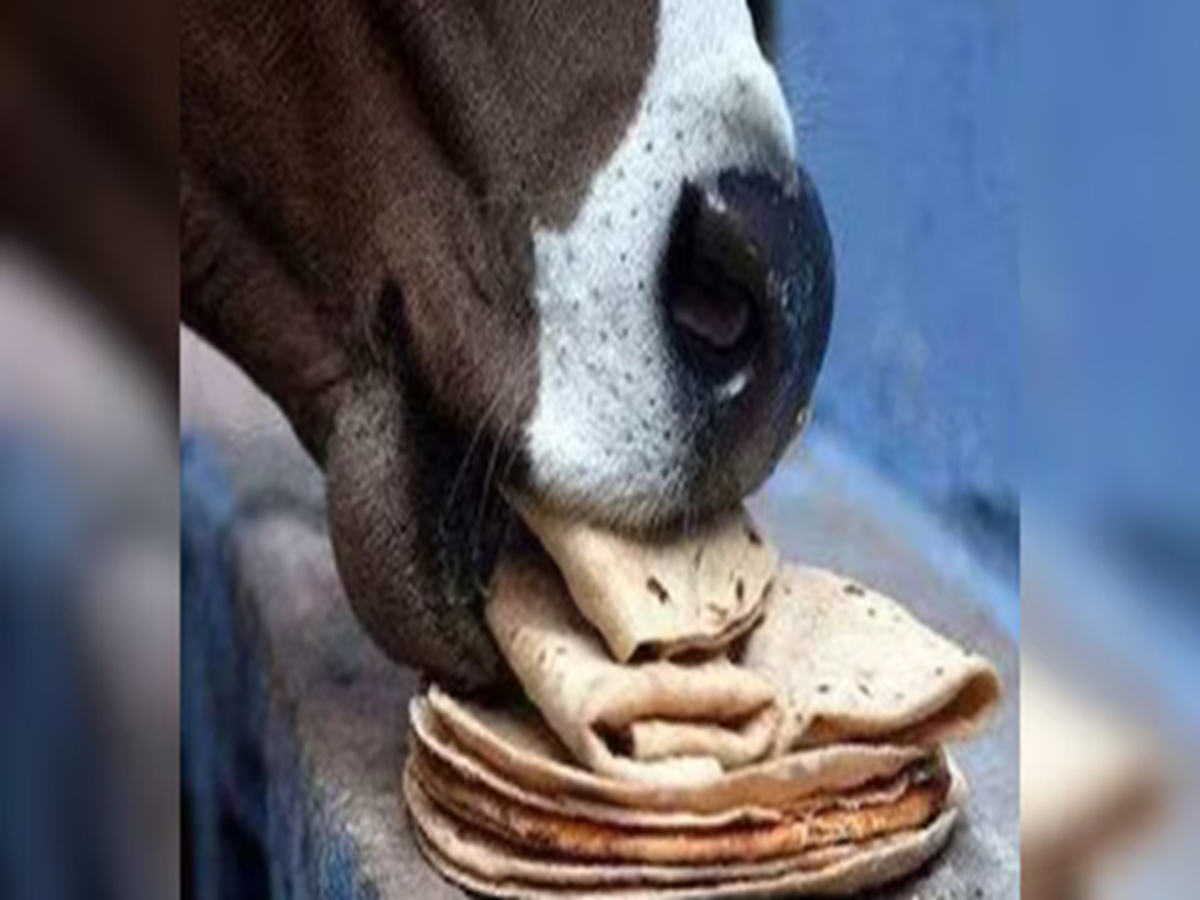
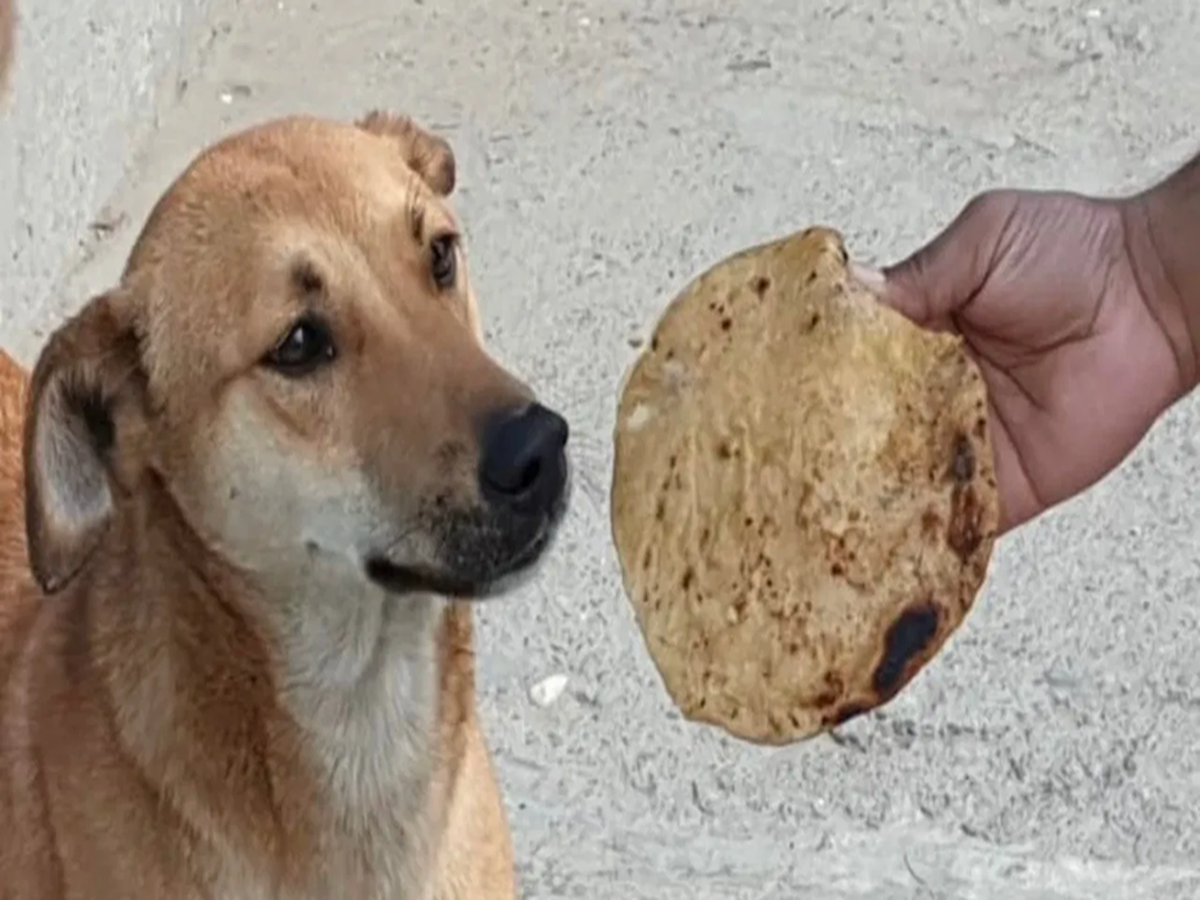
He further explained that the tradition of setting aside the final portion of a meal for a dog is also considered to be quite ancient. From a religious perspective, this practice is regarded as a symbol of *Jiva Seva* (service to living beings) and compassion. It is believed that an individual who feeds animals and birds maintains peace and balance in their life. Furthermore, this tradition serves to remind human beings of their responsibility toward nature and other living creatures.
**Service to Living Beings is the Highest Dharma**
He noted that in earlier times, people invariably placed food outside their homes for cows, dogs, and birds. This practice not only provided sustenance to these creatures but also strengthened the spirit of compassion and love within society. He emphasized that religious scriptures, too, have proclaimed that *Jiva Seva*—service to all living beings—constitutes the highest form of *Dharma* (righteous duty). This is the reason why, even today, many families continue to make this tradition a part of their daily routine.
**What Was the Purpose?**
Astrologer Pandit Deeplal Jaipuri believes that such traditions also help in instilling good values in children. When children observe their elders demonstrating compassion and a spirit of service toward animals and birds, they, too, develop a sense of sensitivity and a spirit of sharing.
He noted that while people in today's fast-paced world may be drifting away from many old traditions, the custom of offering the first *roti* (chapati) to a cow remains a defining symbol of Indian culture and faith. This tradition is not merely a religious belief; it also conveys a beautiful message of love, compassion, and coexistence between humans and nature.
PC Social Media