
FASHION
Why does the problem of hair fall often increase during the monsoon season? Find out the reasons and solutions..

While the monsoon season offers relief from the heat, it also brings several hair-related issues. Many people struggle with hair fall during the rainy season. If you notice excessive hair breakage or loss while combing or washing your hair during this time, weather-related factors could be the reason.
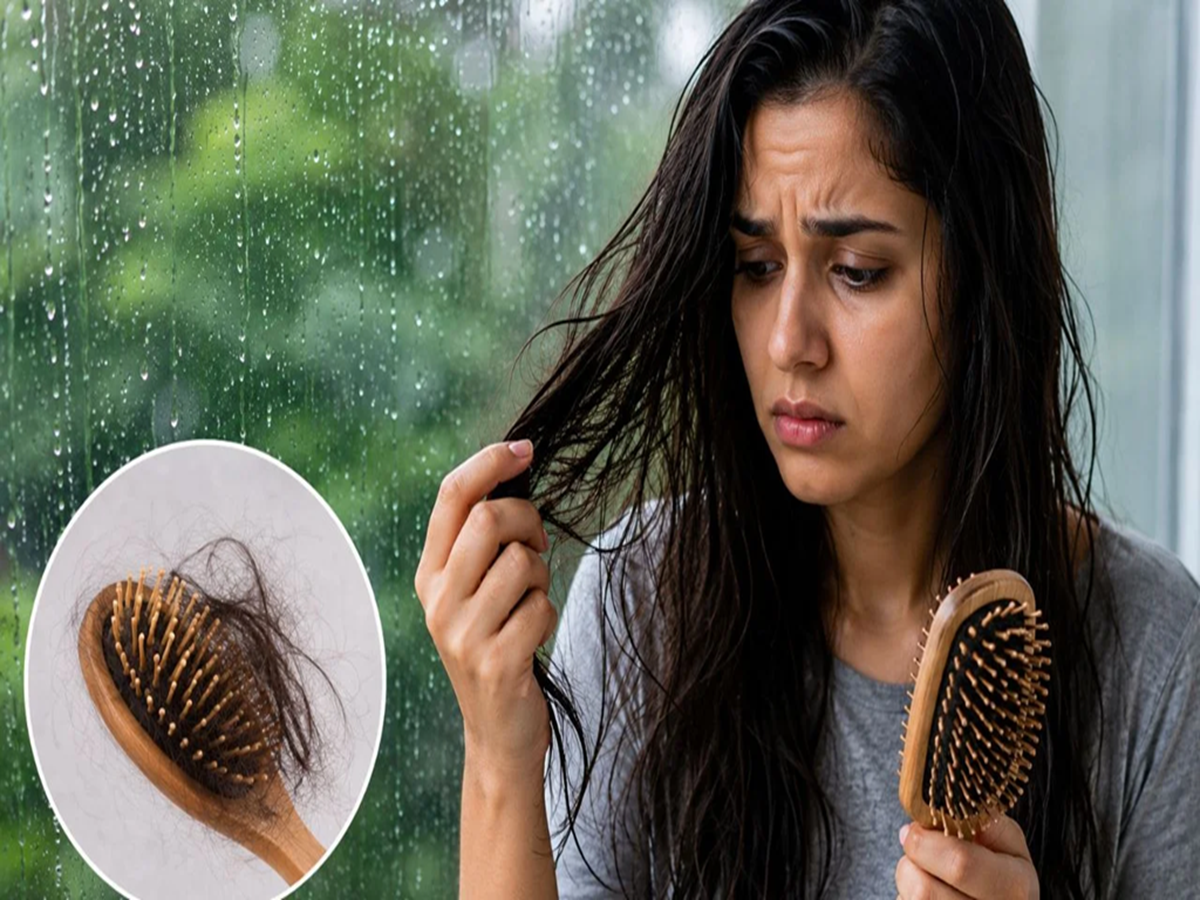
Why does hair fall increase during the monsoon?
1. Increased humidity in the air
Humidity levels rise significantly during the monsoon. Excessive moisture can weaken hair roots, making hair dry, lifeless, and prone to breakage.
2. Risk of scalp infections
Rain and sweat keep the scalp damp for extended periods, increasing the risk of fungal and bacterial infections. These infections can lead to issues like itching, dandruff, and hair loss.
3. Dirt and pollution
Rainwater carries dust, pollutants, and other harmful particles that accumulate on the hair and scalp. These can damage hair follicles and weaken the roots.
4. Nutritional deficiencies
Dietary habits often change during the rainy season. The body may not receive adequate amounts of essential vitamins, minerals, and protein, which affects hair quality and can lead to increased hair fall.
Tips to prevent hair fall
1. Keep the scalp clean
Wash your hair 2–3 times a week with a mild shampoo during the monsoon. Keeping the scalp clean helps remove dirt, excess oil, and infection-causing elements.
2. Dry your hair thoroughly
If your hair gets wet in the rain, wash it with clean water and dry it thoroughly once you get home. Avoid keeping wet hair tied up for long periods, as this can lead to fungal infections.
3. Eat a balanced diet
Include foods rich in protein, iron, zinc, Vitamin B, Vitamin C, and omega-3 fatty acids in your diet. Green vegetables, fruits, eggs, lentils, nuts, and seeds help strengthen your hair.
4. Massage with oil regularly
A gentle massage with coconut, almond, or olive oil improves blood circulation in the scalp and nourishes the hair roots. However, it is not advisable to apply excessive oil and leave it on for a prolonged period.
5. Avoid heat styling
During the rainy season, excessive use of hair dryers, straighteners, and curling irons can further weaken your hair. Try to let your hair dry naturally.
6. Drink plenty of water
Regardless of the season, keeping the body hydrated is essential. Drinking enough water improves the health of both your hair and skin.
When should you consult a doctor?
If hair loss is progressively increasing, or if you experience scalp itching, redness, pain, or excessive dandruff, it is important to consult a dermatologist. Sometimes, hair loss can be a sign of hormonal issues, nutritional deficiencies, or scalp conditions.
PC Social Media