LIFESTYLE
Why does hair fall occur in winter? Incorporate these 5 essential things into your routine to keep your hair healthy..
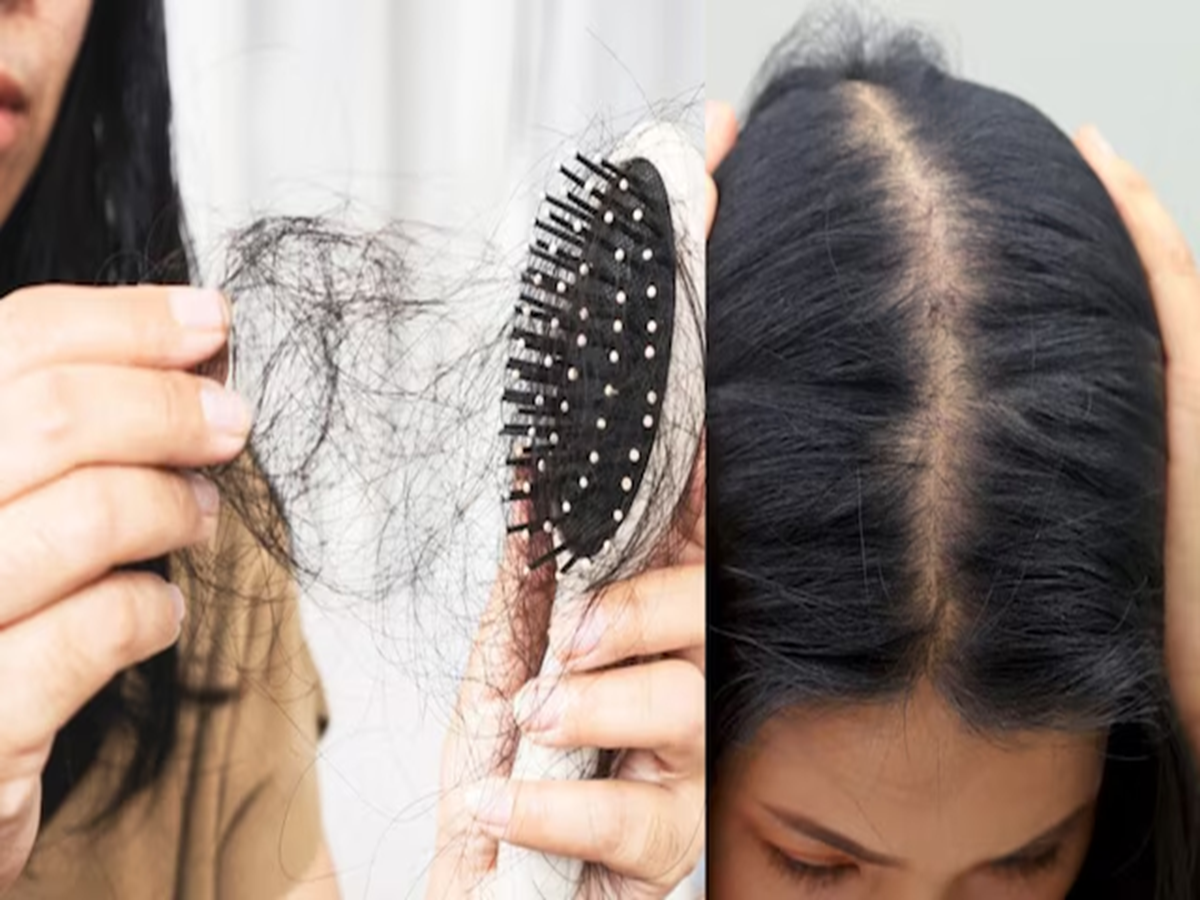
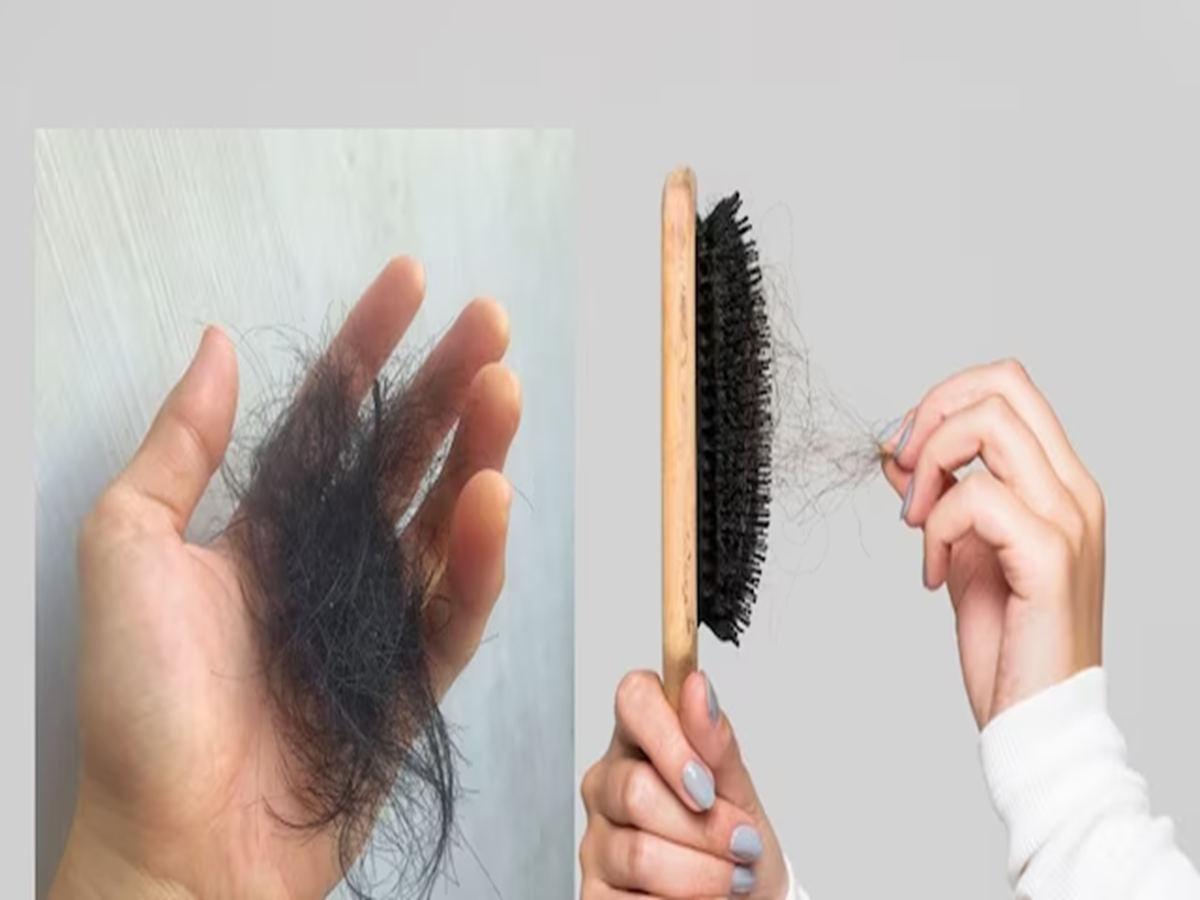
With the arrival of winter, it becomes necessary to make changes to everything—from your diet and clothing to your skincare routine. During this season, it is not just about keeping your body warm; you also need to pay attention to hair care, as hair-related issues tend to increase. Many people experience heightened hair loss, dryness, and a dry scalp during the winter months. This can be attributed to factors such as cold air, the use of indoor heaters, reduced exposure to sunlight, and changes in one’s hair care routine. Furthermore, cold weather can reduce blood circulation, which in turn weakens the hair.
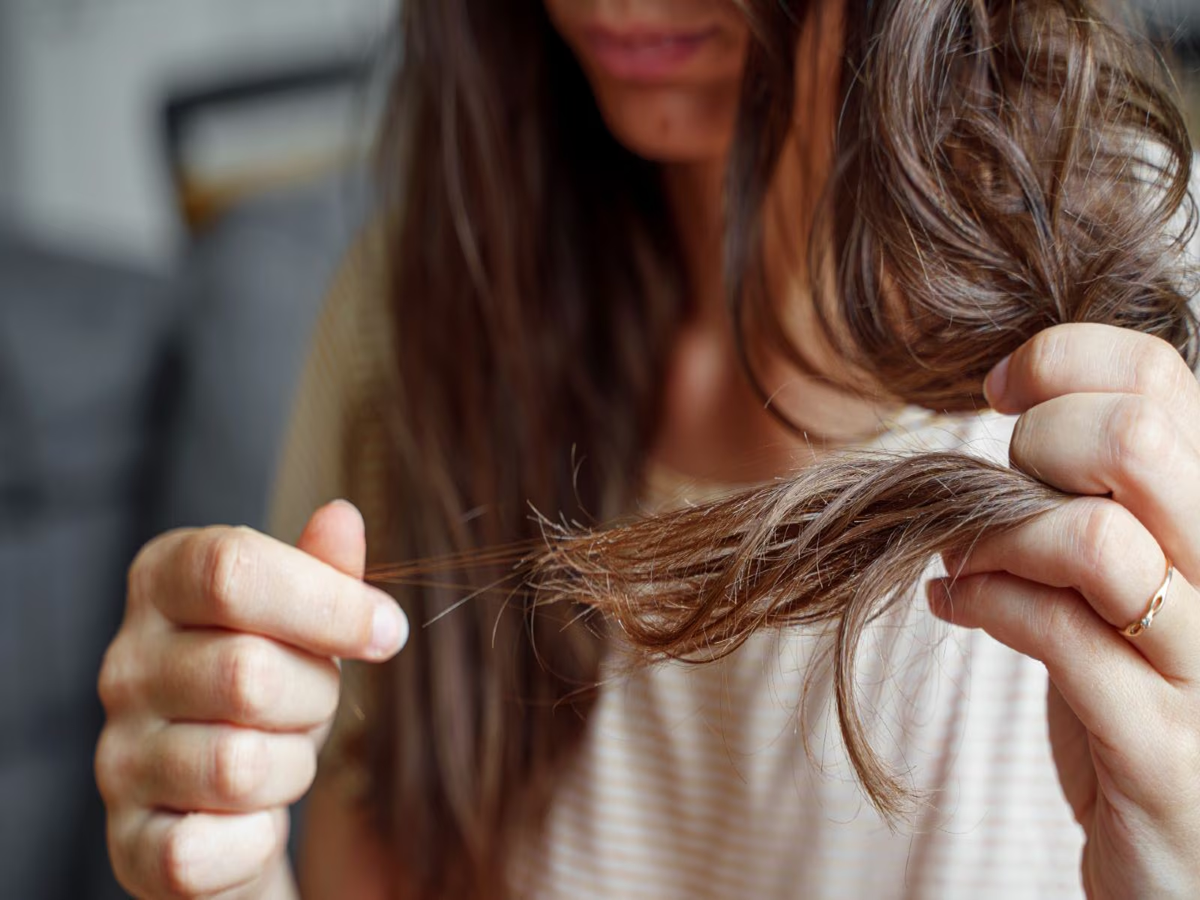
However, winter alone cannot be blamed for excessive hair loss; a deficiency in essential nutrients can also be a contributing factor. To keep your hair healthy and thick, it is crucial to ensure proper nutrition. Let’s look at five vitamins that are vital for hair health and should be included in your diet.
Vitamin D
Vitamin D is essential not only for strong bones but also for healthy hair. It supports the development of hair follicles—the roots—and helps maintain their natural growth cycle. Some research has linked Vitamin D deficiency to hair loss conditions, such as alopecia areata. Reduced sunlight exposure and spending more time indoors during the winter can lead to a deficiency. To address this, you can incorporate foods like egg yolks, fatty fish, Vitamin D-fortified milk, and UV-treated mushrooms into your diet.
Biotin
Biotin is considered an essential vitamin for hair. It plays a key role in the body’s process of converting carbohydrates, fats, and proteins into energy. A deficiency in biotin can negatively impact hair health. You can obtain biotin from sources such as eggs, nuts, seeds, sweet potatoes, and certain vegetables. However, one should not take high-dose biotin supplements unnecessarily. Doing so can affect the results of certain blood tests related to the thyroid and hormones.
Vitamin C
Vitamin C helps the body produce collagen, which is a vital component of the skin and other bodily tissues. Additionally, it acts as an antioxidant and aids in the absorption of plant-based iron. Iron deficiency can also lead to hair loss; therefore, consume foods rich in Vitamin C, such as oranges, Indian gooseberry (amla), lemons, and other similar items.
Vitamin B12
Vitamin B12 is essential for the formation of red blood cells and for maintaining a healthy nervous system. These cells transport oxygen to various parts of the body. Good sources include fish, eggs, milk, yogurt, and meat. Those who are unable to obtain sufficient B12 through their diet may take supplements, subject to a doctor's advice.
Folate (Vitamin B9)
Folate plays a crucial role in DNA synthesis and cell growth. This process is essential for the proper development of all bodily tissues, including hair. Green leafy vegetables, lentils, chickpeas, beans, citrus fruits, and fortified cereals are good sources of folate.
PC Social Media