LIFESTYLE
Why do we place our hands over our eyes after the *Aarti*? There is science behind this tradition; learn about its significance..
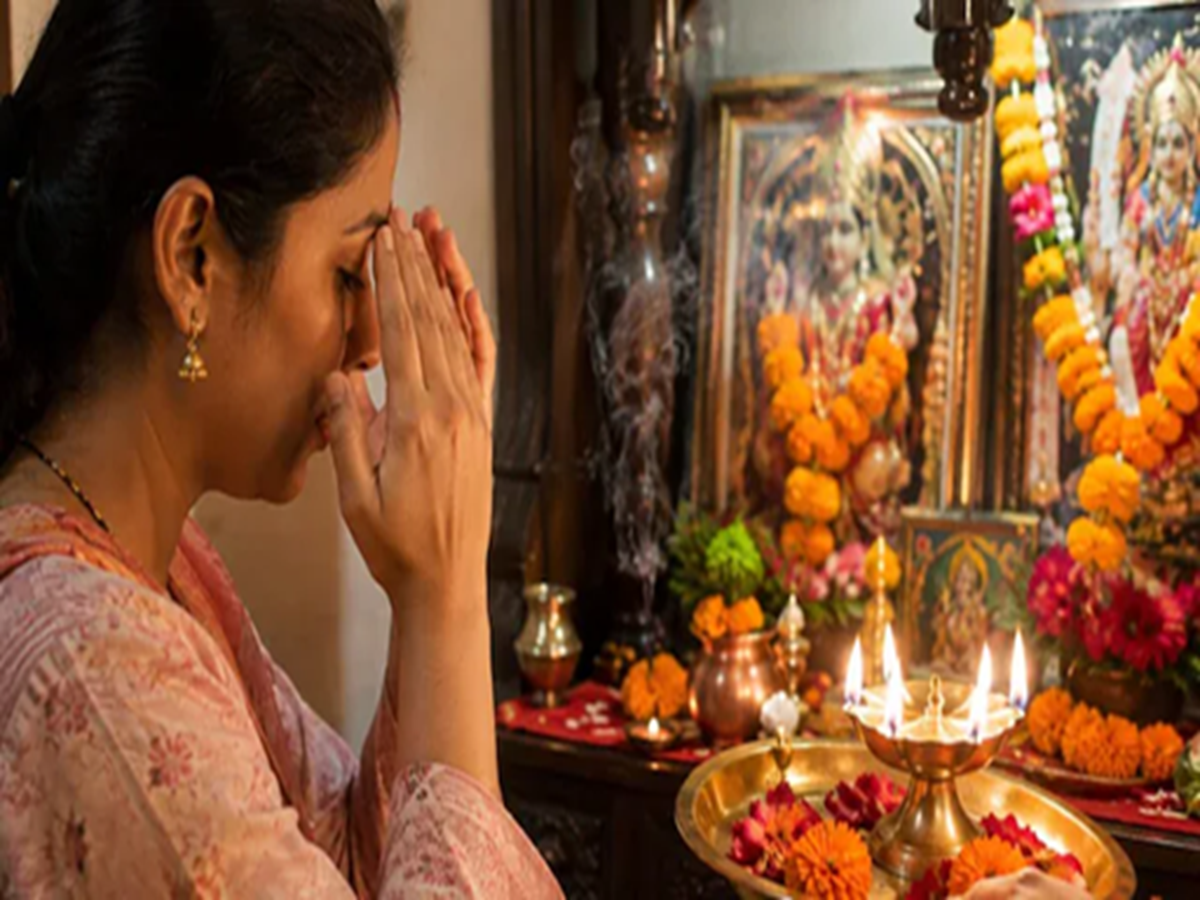
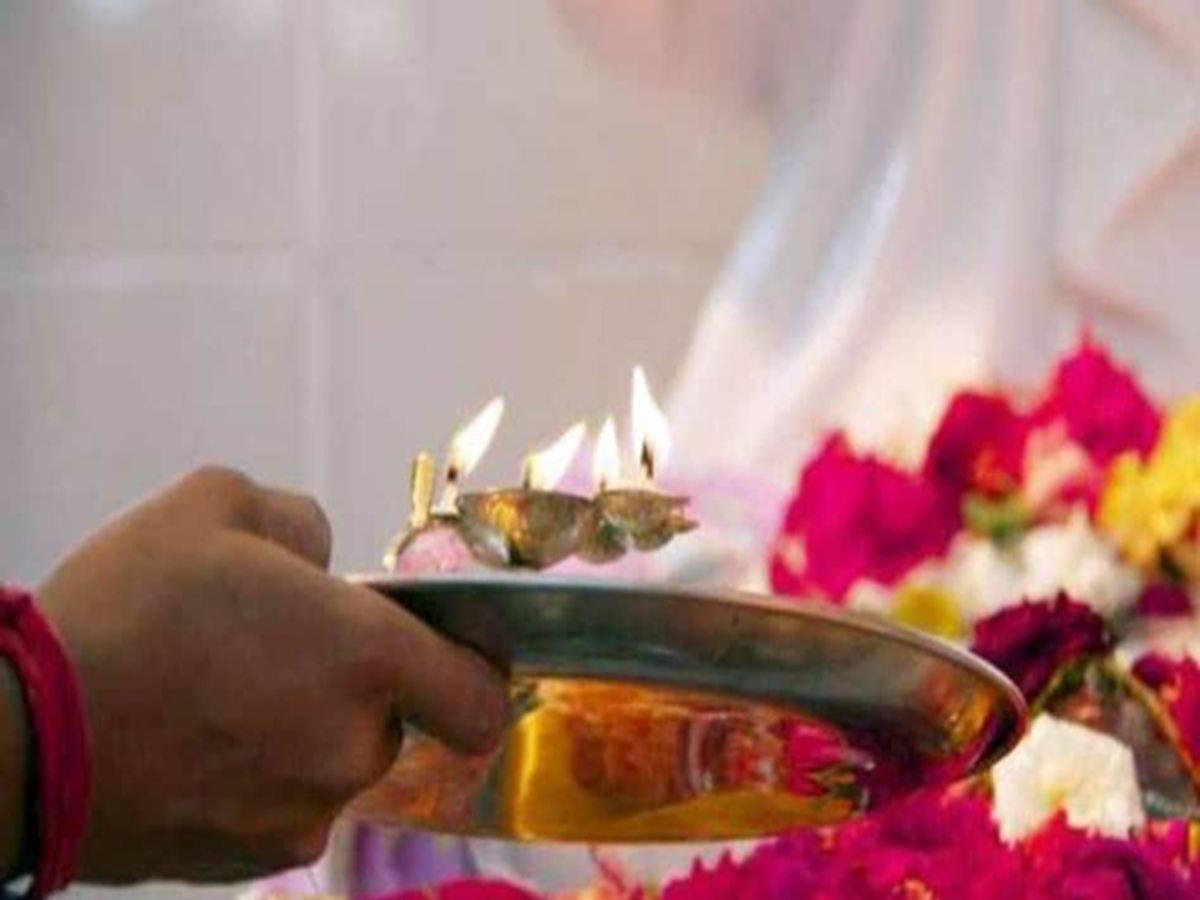
Performing *Aarti* at the conclusion of worship is a significant tradition in Hinduism. Whether in a temple or at home, most people—after the *Aarti*—move their hands over the flame of the lamp and then touch them to their eyes and forehead. This scene is witnessed in almost every act of worship. While many view this merely as a religious custom, there are discussions regarding practical and scientific aspects alongside the element of faith. However, as concrete medical evidence supporting these scientific reasons is limited, they should be understood primarily as traditional beliefs.
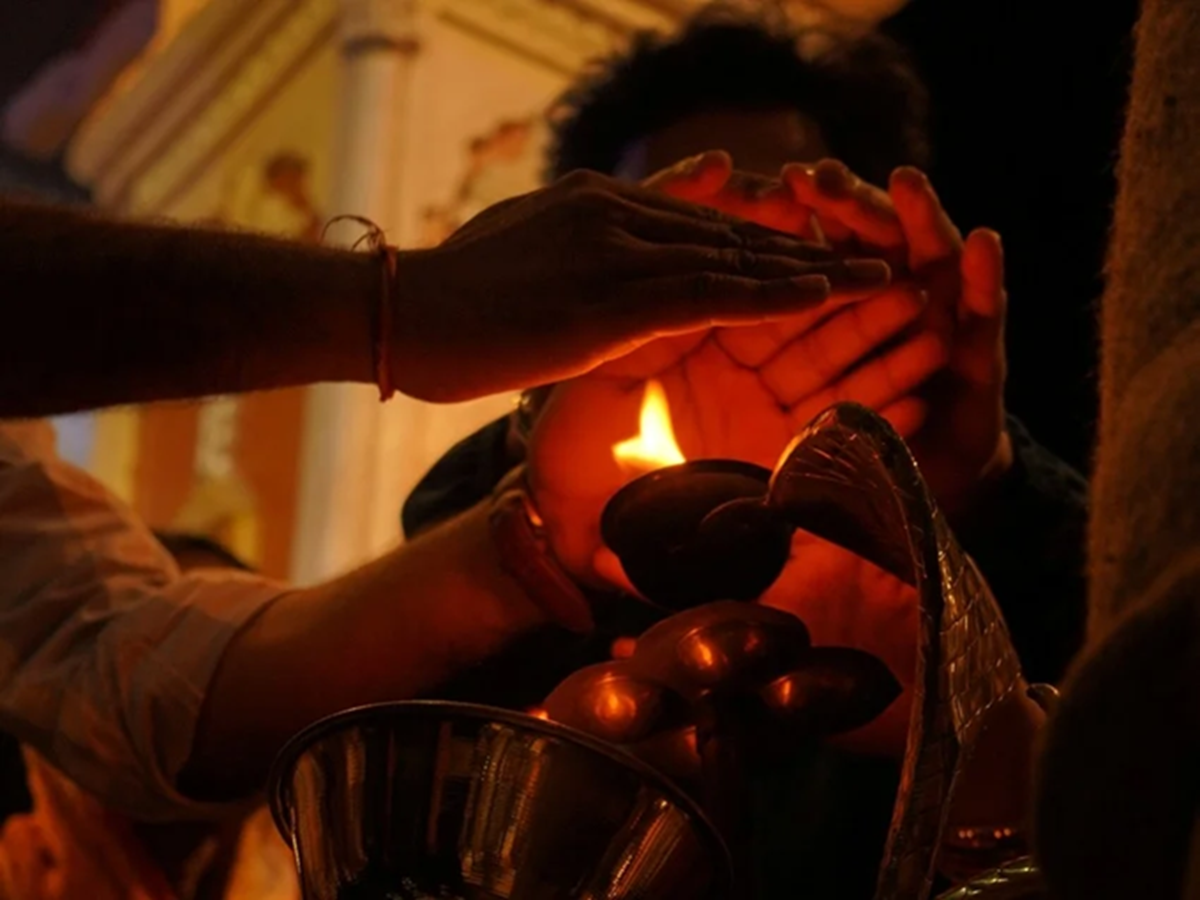
According to religious belief, the *Aarti* flame symbolizes the radiance, energy, and positivity of the Divine. When devotees bring their hands near the warmth of the flame and touch them to their eyes and forehead, it signifies their acceptance of God's blessings and divine energy into their lives. It also reflects a sense of reverence and devotion.
Why the tradition of touching the eyes?
During worship, a person's attention remains focused on the deity's idol and the lamp's flame. Many associate the act of placing hands—warmed by the flame—over the eyes with mental peace and concentration. It is believed that this helps sustain, for a few moments longer, the positive emotions experienced during the worship. However, there are no definitive scientific conclusions regarding this practice.
The effect of warmth on the body
Bringing one's hands near the lamp's flame creates a sensation of mild warmth in the palms. When these hands are subsequently placed near the eyes or face, some people experience a sense of comfort and relaxation. This effect is similar to the sensation of warmth felt on the face from one's palms during cold weather. This experience varies from person to person and should not be regarded as a medical treatment.
There is also psychological significance.
Religious rituals often help calm the mind and foster positive thinking. The act of placing hands over the eyes after *Aarti* can serve as a moment of mindfulness, allowing the individual to remain fully immersed in the spirit of worship for a few extra moments. This can lead to a sense of mental balance and spiritual contentment.
Respecting Tradition and Faith
While scientific evidence may not exist for every religious tradition today, many customs are integral to our cultural heritage and collective faith. The practice of touching one's eyes with one's hands after the *Aarti* is one such custom. It is considered a way to express reverence, humility, and positive emotions towards the Divine.
If you also observe this tradition after the *Aarti*, it serves as more than just a religious ritual; it can be a beautiful way to experience your faith, focus, and inner peace.