
LIFESTYLE
Where should you place the conch shell, flute, and peacock feather on Janmashtami? A Vastu expert reveals the right spots..
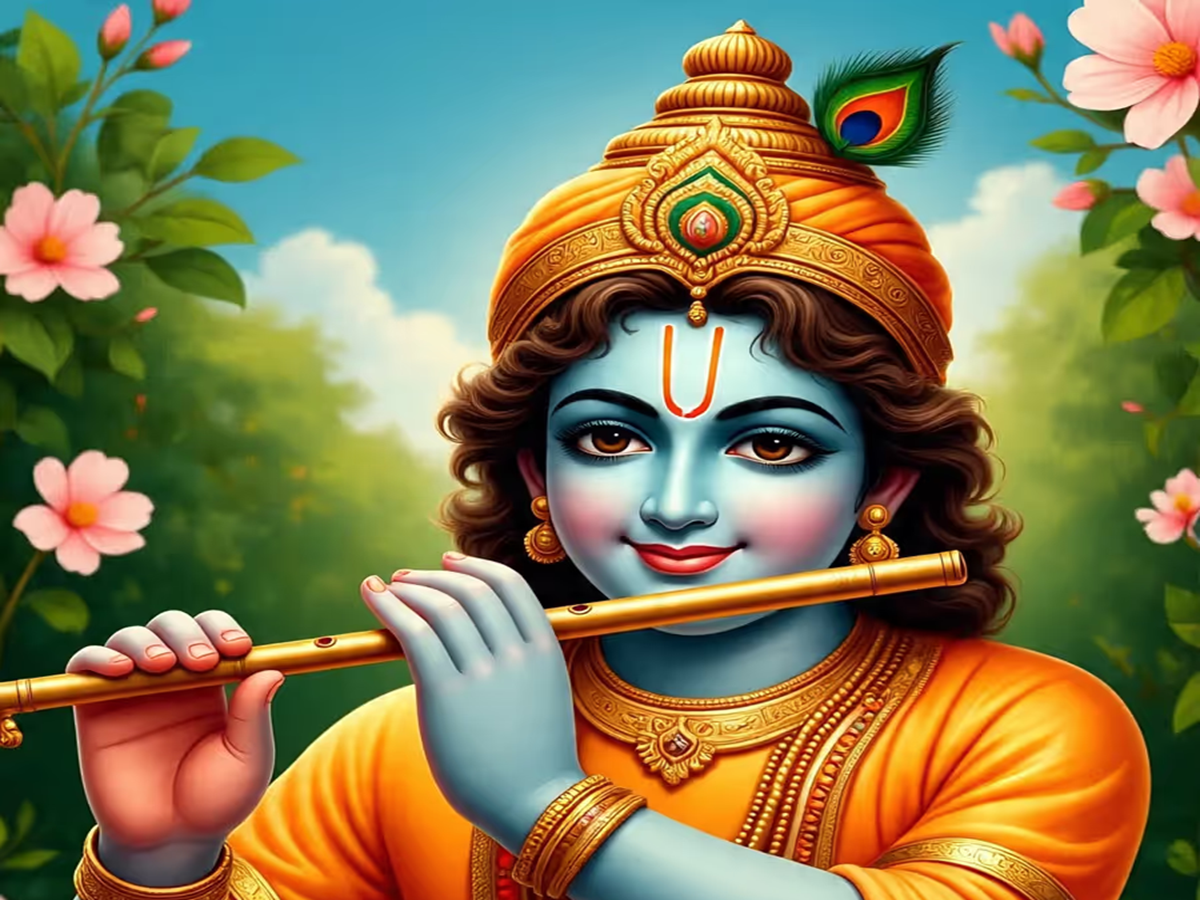
Shri Krishna Janmashtami is not merely a celebration of Lord Krishna's birth; from my perspective, it is also a beautiful opportunity to consciously revitalize the energy within your home. As a Vastu expert, I believe festivals offer the ideal moment to declutter and clear away stagnant energy. The way we prepare our homes for this day enhances positivity and prosperity, adding profound meaning to the festivities.
**Banish Negativity**
Before setting up the Janmashtami altar (worship space), clean the main entrance, the puja area, and any corners that usually remain unused. Immediately remove broken items, dried plants, and unwanted clutter. The entrance is a primary energy point; keep it clean, well-lit, and adorned with fresh flowers or *rangoli*. In the evening, light *diyas* (lamps) and incense to fill the atmosphere with a pleasant fragrance.
**Auspicious Objects**
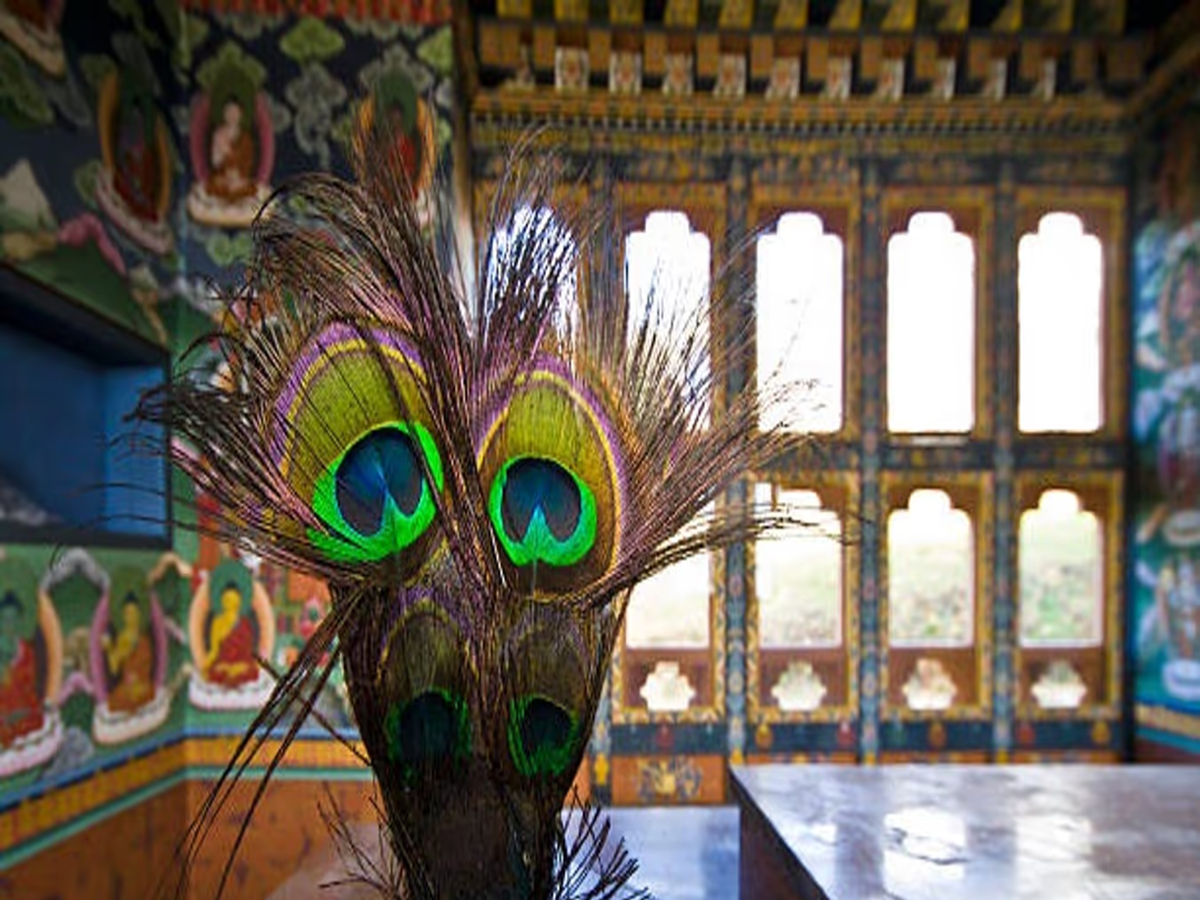
To make the decor spiritually meaningful, incorporate items like the conch shell (*shankh*), flute, and peacock feather. The conch symbolizes purification; place it on a clean, elevated surface in the prayer room rather than directly on the floor. The flute brings harmony and devotion into life; place it near the idol of *Bal Gopal* (infant Krishna). Adorn the altar with peacock feathers. Remember, these objects are not magical shortcuts; their significance lies in your devotion and intention.
**The Auspicious North-East Corner**
I consider the North-East direction (*Ishan Kon*) particularly auspicious for the midnight ritual of swinging the deity (*Jhula* ceremony), as it is associated with spiritual energy. If possible, set up the worship area or the swing in this serene corner. While performing the ritual, you should face either the East or the North. However, maintaining the cleanliness and sanctity of the space is far more important than strictly adhering to a specific direction.
**Choosing Sacred Metals**
Traditionally, different metals possess distinct energies. Silver is associated with purity and the Moon; copper with vitality; and brass with auspiciousness and warmth. You may choose an idol and a swing for Bal Gopal made of either silver or brass, depending on your preference. However, I would never suggest replacing your existing idol simply because of the metal it is made of; in Vastu and spirituality, your inner devotion always transcends material considerations.
Sattvic Color Scheme
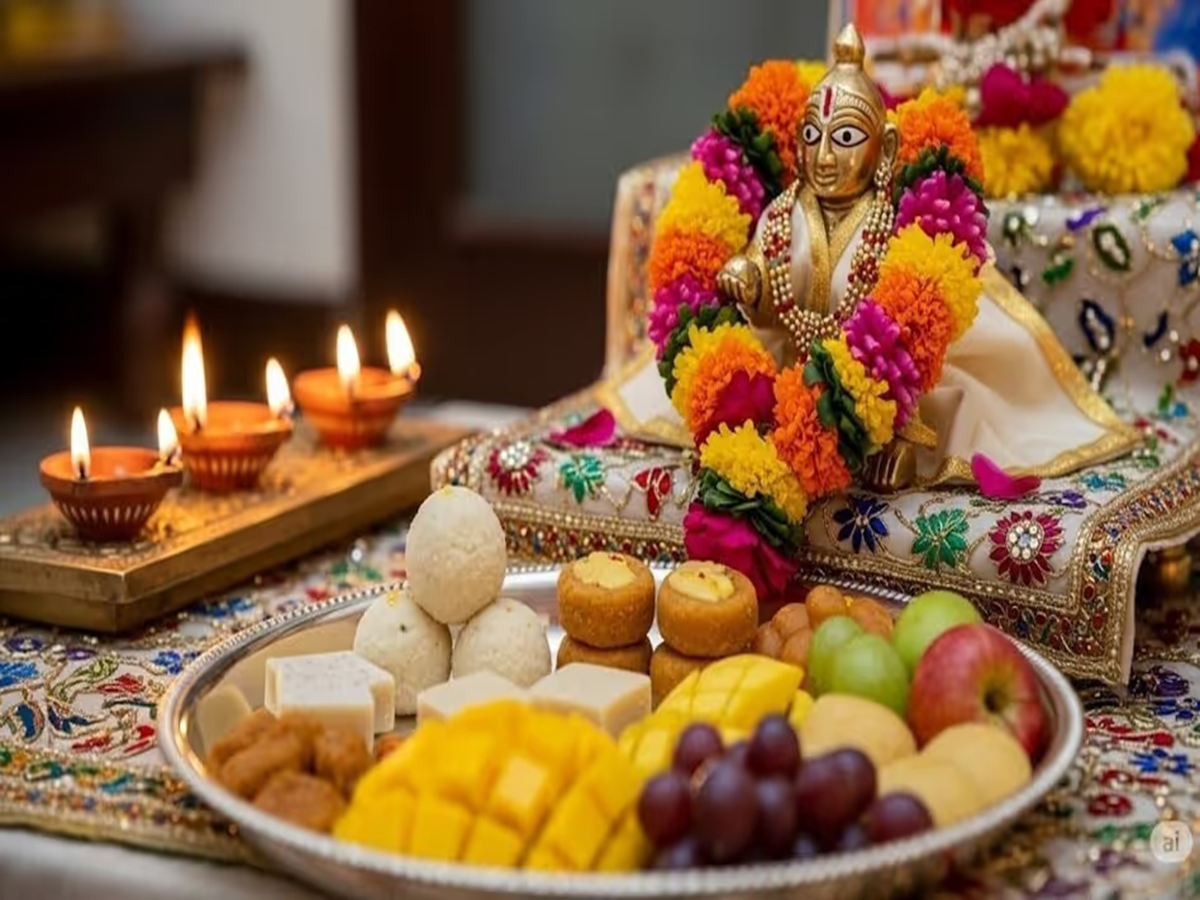
Colors deeply influence our mood and atmosphere. For the Janmashtami altar, I recommend using light, fresh, and Sattvic colors. Yellow symbolizes knowledge and auspiciousness, white brings peace and purity, while light blue creates a calming ambiance by reflecting the divine connection associated with Shri Krishna. Through these small changes, you can experience immense peace in your home this Janmashtami.
PC Social Media