
LIFESTYLE
When is the Second Solar Eclipse? Rahu-Ketu Influence to Last 7 Hours and 21 Minutes—Know the Date and Sutak Period..
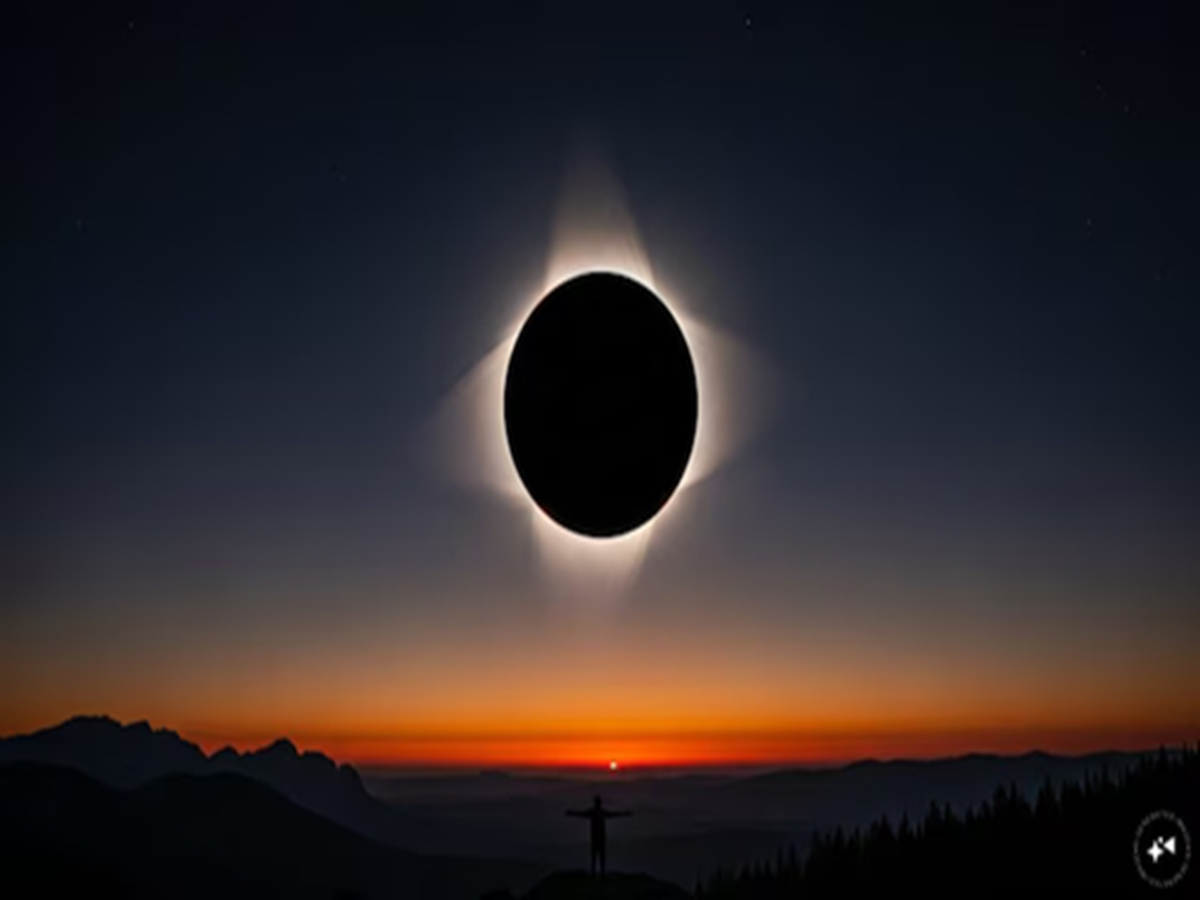
When is the Second Solar Eclipse of 2026? The second and final solar eclipse of the year 2026 is set to occur during the month of Shravan (or Sawan). According to the *Panchang* (Hindu almanac), a solar eclipse always takes place on the *Amavasya* (New Moon) Tithi of any given month, whereas a lunar eclipse occurs on the *Purnima* (Full Moon) Tithi. According to mythological beliefs, a solar eclipse occurs when the malefic planets—Rahu and Ketu—attempt to devour the Sun, the King of planets. Similarly, from an astronomical perspective, a solar eclipse occurs when the Moon passes between the Earth and the Sun, thereby blocking the Sun's light from reaching the Earth. Let us find out: When is the second solar eclipse of 2026? And for how long will the *Sutak* period last?
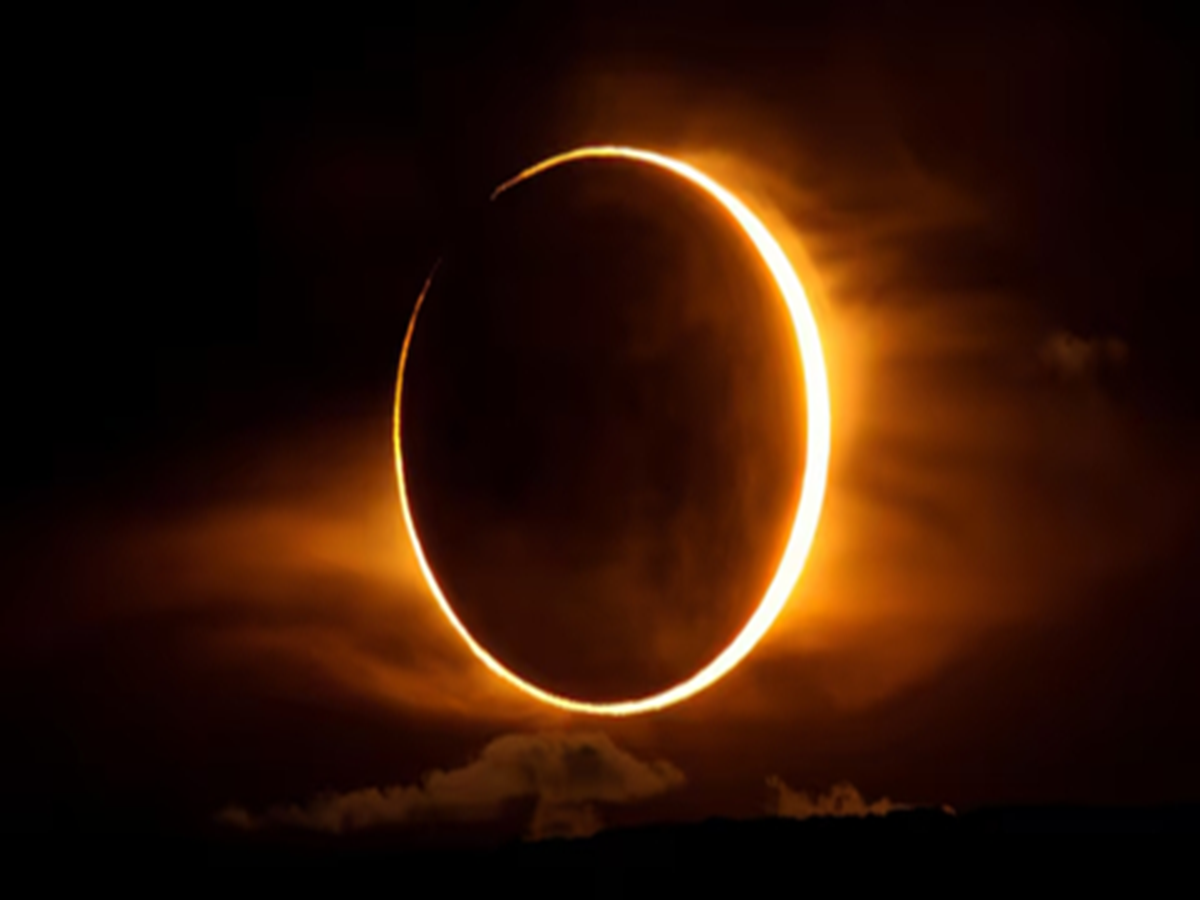
**Date of the Second Solar Eclipse of 2026**
According to Swati Saxena, an astrologer from Kanpur, the second solar eclipse of this year will take place on Wednesday, August 12. As per the *Panchang*, that day will mark the *Amavasya* Tithi of the *Krishna Paksha* (waning phase) of the month of Shravan; in other words, the solar eclipse will occur on the day of *Sawan Amavasya*.
**Timing of the Final Solar Eclipse of 2026**
The final solar eclipse of the year will begin at 9:04 PM on August 12. This solar eclipse will conclude—or reach its *Moksha* (release)—at 4:25 AM on Thursday, August 13.
**The Influence of Rahu and Ketu: Lasting Over 7 Hours**
A solar eclipse occurs due to the influence of Rahu and Ketu. This particular solar eclipse will last for 7 hours and 21 minutes. Consequently, the influence of Rahu and Ketu upon the Sun will persist for a duration exceeding 7 hours.
**The Solar Eclipse to Occur Under a *Chaturgrahi Yoga***
During the solar eclipse, four planets will be aligned simultaneously; as a result, this eclipse will occur under a *Chaturgrahi Yoga* (a planetary conjunction involving four planets). The final solar eclipse of this year is set to take place in the zodiac sign of *Karka* (Cancer) and the *Ashlesha* Nakshatra. At that specific time, the Sun, Moon, Mercury, and Jupiter will be positioned together within the sign of Cancer. Within the sign of Cancer, the Sun and the Moon will be situated at the same degree, accompanied by Jupiter and Mercury.
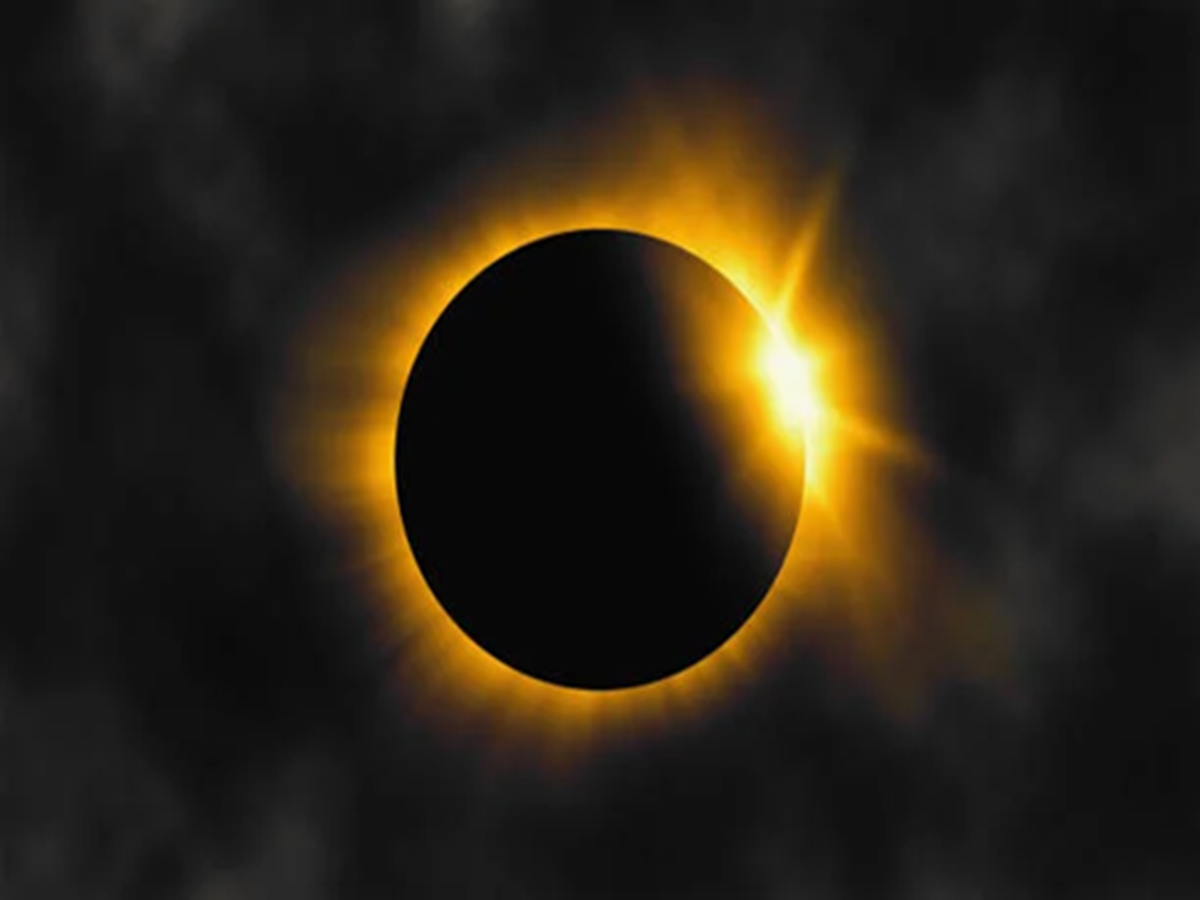
The Final Solar Eclipse of 2026: Sutak Period
The Sutak period associated with a solar eclipse commences 12 hours prior to the actual time of the eclipse. During the Sutak period, one refrains from performing any auspicious activities, as well as from bathing, giving donations, sleeping, eating, and similar actions. However, the Sutak period is not considered applicable in locations where the solar eclipse is not visible. Since this solar eclipse will not be visible in India, the associated Sutak period will not be considered valid there.
PC Social Media