LIFESTYLE
When are Sawan Shivratri and the Sawan Monday fast? What is the difference between the two?
Sawan Shivratri vs. Sawan Somwar 2026: The holy month of Sawan, dear to Lord Shiva, is currently underway. Observances dedicated to Lord Shiva hold special significance during this period, with Sawan Somwar (Mondays of Sawan) and Sawan Shivratri being particularly important. Devotees who do not observe fasts throughout the year often fast and worship with prescribed rituals on Sawan Mondays and Shivratri; this is considered an excellent way to seek Mahadev's blessings. Let us find out when Sawan Shivratri falls this year and understand the differences between Sawan Shivratri and Sawan Somwar.

When are the Sawan Somwar and Sawan Shivratri fasts?
According to the Vedic calendar, the second Sawan Somwar fast falls on August 10, coinciding with the *Sawan Krishna Dwadashi* Tithi. The third Sawan Somwar falls on August 17, and the fourth on August 24.
Meanwhile, the Sawan Shivratri fast falls on Tuesday, August 11. The *Shravan Krishna Chaturdashi* Tithi for Sawan Shivratri extends from 4:54 AM on August 11 to 1:52 AM on August 12.
What are the differences in rules and worship rituals?
The Sawan Somwar fast is associated with the Mondays of the Shravan month; it is observed on every Monday of Sawan. These Mondays may fall on different *Tithis* (lunar days) and occur during both the *Krishna Paksha* (waning phase) and *Shukla Paksha* (waxing phase) of the month. The observance is not tied to a specific *Tithi*. Worship for the Sawan Somwar fast is performed during *Brahma Muhurat* and the morning hours.
In contrast, the Sawan Shivratri fast is always observed on the *Chaturdashi* (14th day) of the *Krishna Paksha* in the Shravan month. The date for this fast is determined based on *Nishita Muhurat* (midnight hour) rather than *Udayatithi* (sunrise date). While worship is performed during *Brahma Muhurat* and the morning on Sawan Shivratri as well, the *Nishita Muhurat* worship is specifically conducted to attain mastery over mantras (*Mantra Siddhi*).
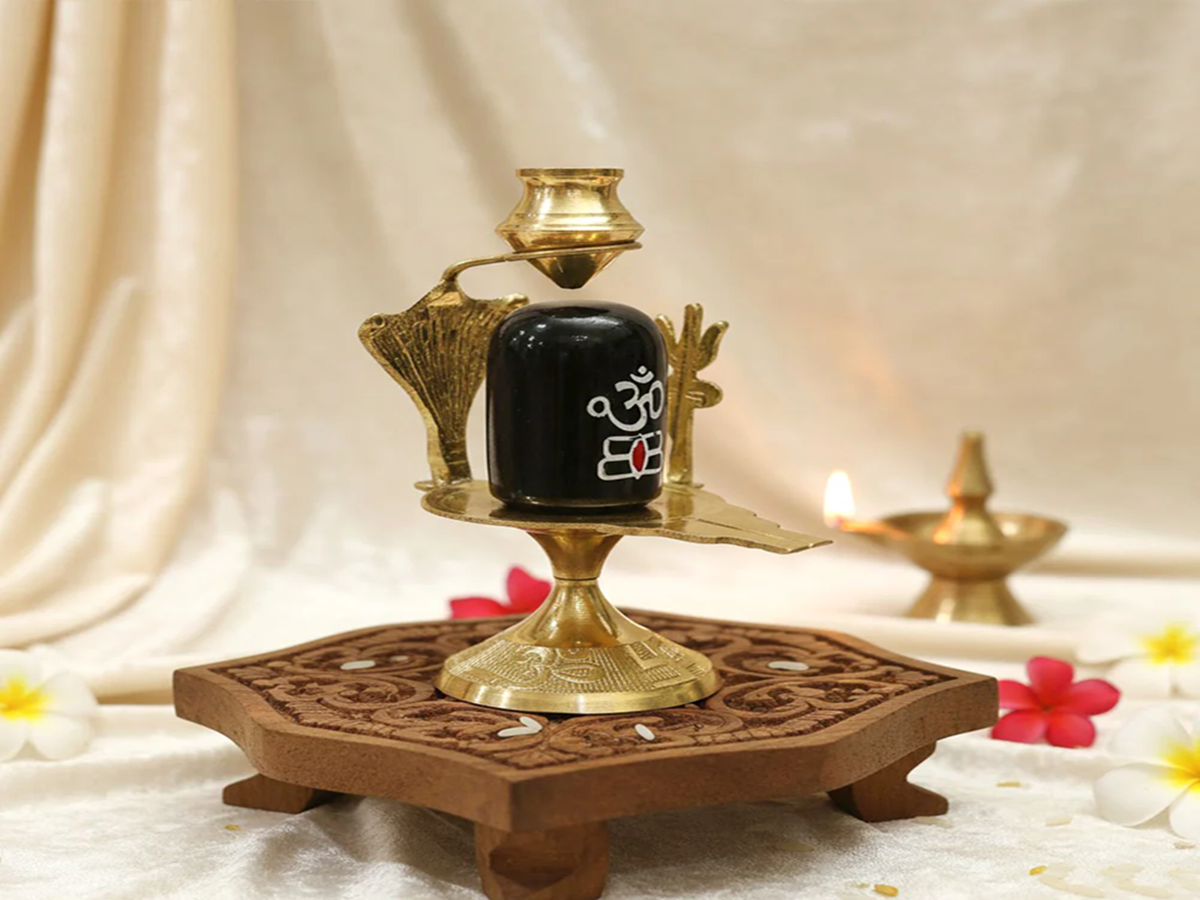
Generally speaking, the worship rituals for Sawan Shivratri and Sawan Somwar are similar. The ritual begins with the *Jalabhishek* (ritual bathing with water) of the *Shivling*, followed by *Panchamrit Abhishek* and another *Jalabhishek*. Worship is then performed by offering sandalwood paste, *Belpatra* (wood apple leaves), flowers, *Akshat* (unbroken rice grains), *Bhang*, *Dhatura*, fruits, and other items. The *Aarti* is performed after listening to the *Vrat Katha* (ritual narrative).
On the days of *Sawan Somwar* (Mondays of the Sawan month) and *Sawan Shivratri*, *Kanwariyas* (pilgrims carrying holy water) perform *Jalabhishek* of Lord Shiva. Shiva temples witness large crowds of *Kanwariyas* on these days.
Which fast is observed for which specific wish?
The *Sawan Somwar* fast is observed to find a desired life partner. Those facing delays or obstacles in marriage also observe this fast. One may also begin the '16 Mondays' (*Solah Somwar*) fast starting from a *Sawan Somwar*; this is observed to seek progeny, happiness, prosperity, or the fulfillment of a specific wish.

The significance of *Sawan Shivratri* is considered equal to that of *Mahashivratri*. Those who do not observe the *Sawan Somwar* fast often observe the fast and perform worship on *Sawan Shivratri*. *Rudrabhishek* is performed on this day, although one can have *Rudrabhishek* performed on any day during the month of *Sawan*. If one observes the *Sawan Shivratri* fast and worships with a specific auspicious wish in mind, Lord Shiva fulfills it.
Whether it is *Sawan Somwar* or *Sawan Shivratri*, both fasts are observed to seek the grace of Lord Shiva. The opportunity to observe the *Sawan Shivratri* fast arises only once during the month, whereas *Sawan Somwar* occurs four or five times.
PC Social Media