
FASHION
Want to keep expensive sarees looking brand new for generations? Learn the secret care tips before storing them in your wardrobe..

Tips for caring for sarees at home: As soon as the wedding season arrives, we take our most beautiful and expensive sarees out of the wardrobe; however, the real work begins once the wedding festivities and the rush are over. Preserving these precious sarees requires extra care regarding washing, storage, and long-term maintenance. While most people immediately turn to dry cleaners—incurring high costs each time—you can keep them looking brand new for years by taking a few simple precautions at home. Let’s explore some easy and effective ways to care for your precious sarees.
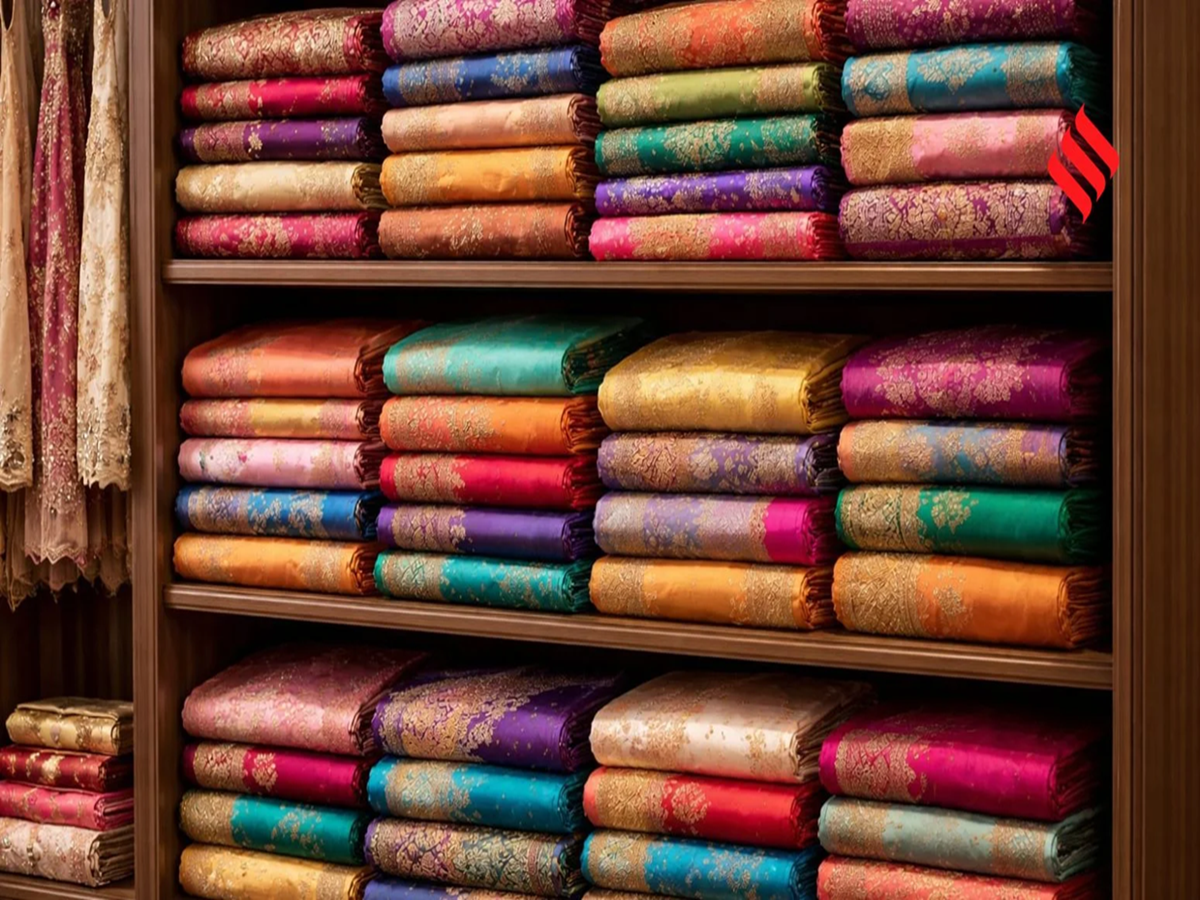
Caring for sarees based on fabric:
Since every saree is made of a different fabric, its maintenance needs and care routines differ. Let’s look at how to care for your expensive sarees while keeping the fabric type in mind.
Silk Sarees: Always store silk sarees in a breathable cloth bag. Keeping them away from moisture is crucial. Ensure they are completely dry before putting them back in the wardrobe after washing.
Cotton Sarees: Cotton sarees are most prone to color bleeding. Therefore, always wash them separately from other clothes and use only cold water.
Chiffon and Georgette: These fabrics appear very light and delicate. To maintain their flowy shape, always dry them by laying them flat on a level surface and hand-wash them using a mild detergent.
Kanjeevaram and Banarasi Silk: Belonging to the silk family, these are the most expensive sarees and require special care. Never leave them hanging on a hanger for extended periods, as this can weaken the fabric. Handing them over to professional dry cleaners for washing and drying is the safest option.
Tips for long-term maintenance:
If you want your sarees to retain their luster for generations, make these tips a habit:
Protect against insects: Place dried neem leaves or a few dried cloves in your wardrobe. This natural method will keep insects away from the sarees.
Rotate the sarees: At least once a month, unfold the sarees and refold them, changing the position of the creases. While this might seem like extra effort, it prevents the fabric from tearing or getting damaged along the crease lines.
Use silica gel pouches: Place small silica gel packets where you store your sarees. They absorb excess moisture and prevent fungal growth.
Avoid plastic covers: Never store sarees packed in tight plastic covers. Plastic traps moisture, which can damage the fabric. Instead, use high-quality cotton or muslin bags.
How to wash your precious saree?
Not all sarees can be washed the same way. Always read the care instructions attached to them before washing. Dry cleaning is the safest method for silk, velvet, or heavily embroidered sarees. If the saree is made of lightweight cotton or synthetic fabric, hand-wash it at home using cold water and a very mild detergent. Do not wring the saree vigorously, as this can ruin its appearance.
Easy home remedies for removing stains:
If an oil stain appears on the saree, immediately sprinkle some talcum powder on it and, after a while, gently brush it off. If a food stain occurs, do not rub it under any circumstances; instead, blot away the excess food with a clean cloth and use a mild soap if necessary. Additionally, avoid spraying perfume or deodorant directly onto the saree, as the chemicals can cause the fabric's color to fade; always apply perfume to your skin.
Proper Ironing and Folding Techniques—
Correct Temperature: Always iron sarees at a temperature suitable for the specific fabric. Use low heat for delicate fabrics like silk and georgette, and medium heat for cotton.
Using Tissue Paper: Fold the saree neatly along its natural creases. When storing it in a cloth bag, place tissue paper between the layers; this prevents friction between the folds of the saree.
In fact, expensive sarees are quite different from regular ethnic or modern wear. Preserving their beauty and luster over the years requires a little extra effort. If you are investing in a fine, expensive saree, do make sure to dedicate some time to its care as well!
PC Social Media