LIFESTYLE
Vitamin B12: Does Vitamin B12 deficiency lead to memory loss? Don't make the mistake of ignoring these signs..
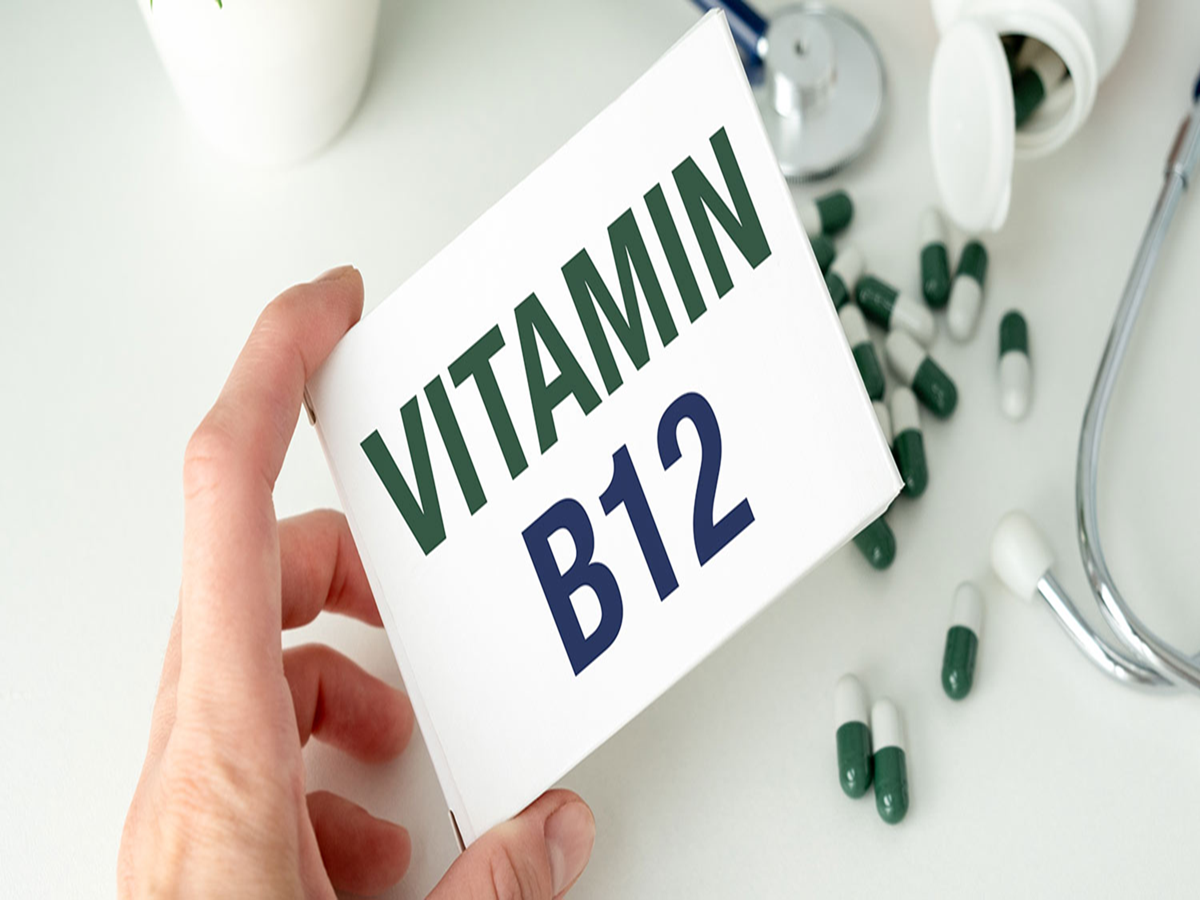
Vitamin B12 is a vital nutrient for the body, yet people often associate its deficiency solely with fatigue or anemia. In reality, this vitamin plays a crucial role in maintaining the health of the brain, nerves, and red blood cells. A deficiency in the body can impact not only physical health but also mental well-being.
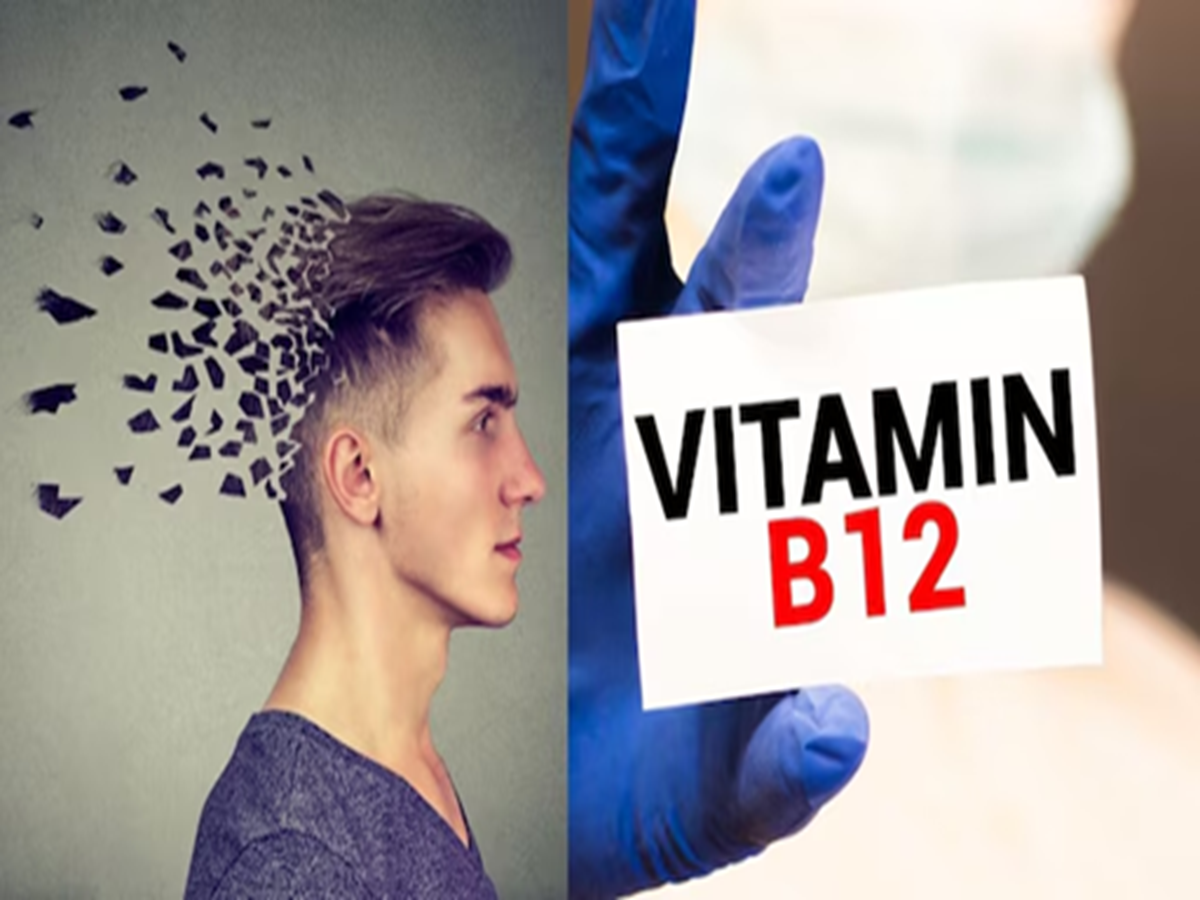
Dr. Tarunesh Sharma, Senior Consultant (Neurosurgery) at Yatharth Super Speciality Hospital in Agra, explains that the problem lies in the fact that symptoms develop gradually; consequently, many people overlook them, attributing them to ordinary fatigue, stress, or the effects of aging. However, timely identification and treatment are essential, as prolonged deficiency can cause permanent nerve damage.
**Impact on Memory**
Vitamin B12 deficiency can significantly affect memory and cognitive function. Individuals may become forgetful, struggle to concentrate, and often experience confusion or disorientation. Some may also find it difficult to articulate their thoughts clearly. Additionally, "brain fog" can occur, making thinking feel slow and unclear. Symptoms such as irritability, anxiety, and depression may also manifest. In severe cases—particularly among the elderly—symptoms resembling dementia can develop.
**Who is at risk of Vitamin B12 deficiency?**
Certain groups are at higher risk of Vitamin B12 deficiency. For instance, the body's ability to absorb Vitamin B12 can decline with age, making the elderly vulnerable. Strict vegetarians and vegans are also at risk, as the vitamin is primarily found in meat, fish, eggs, and dairy products. The condition can also affect individuals with intestinal disorders or those who have undergone stomach surgery.
**Diagnosis and Treatment**
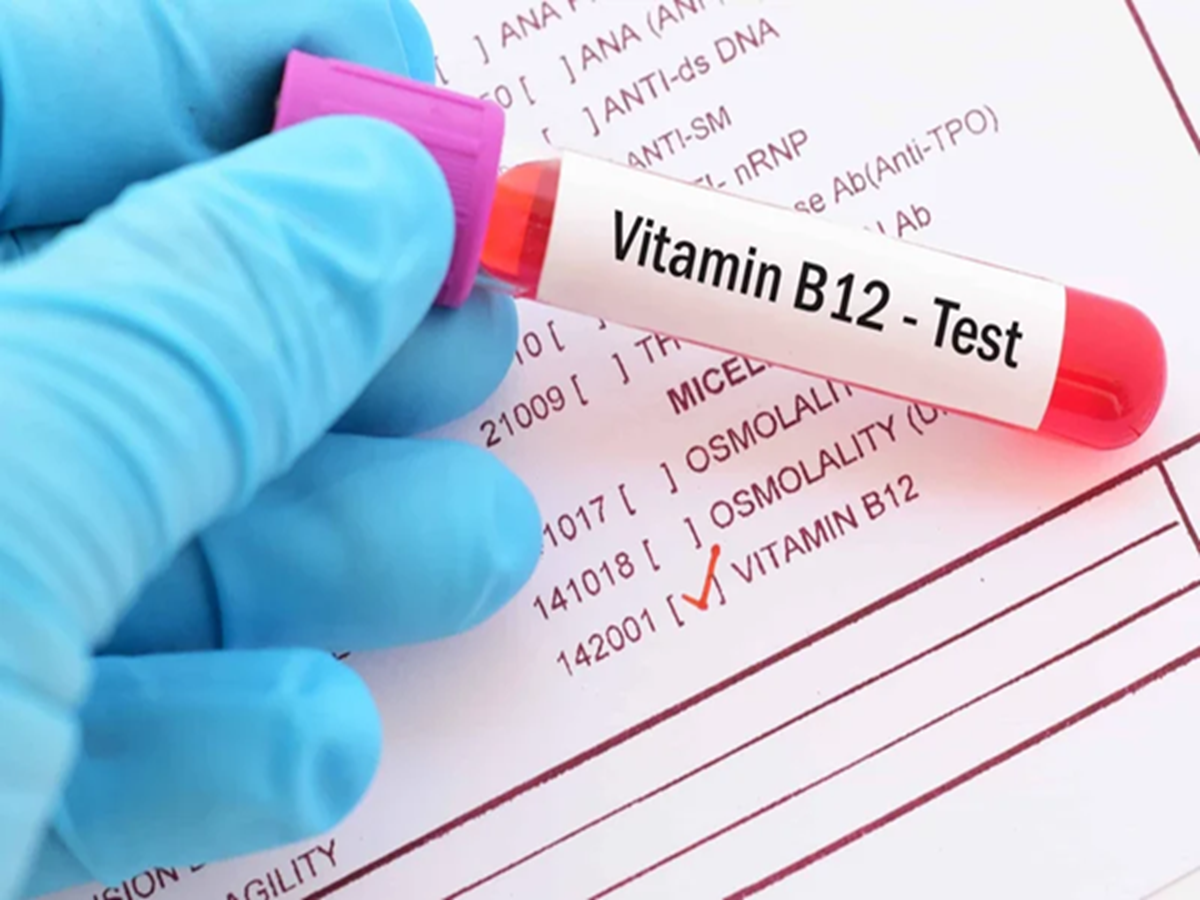
Vitamin B12 deficiency can be diagnosed through a blood test. In some cases, additional testing may be required. Treatment depends on the severity of the deficiency. Supplements and dietary changes suffice for mild cases, whereas injections may be administered for severe deficiencies. Fish, chicken, eggs, milk, yogurt, cheese, and fortified cereals are good sources.
PC Social Media