LIFESTYLE
Vibrancy in the Fields and the Dawn of the New Year: How Baisakhi is Celebrated Across the Country on April 14th..
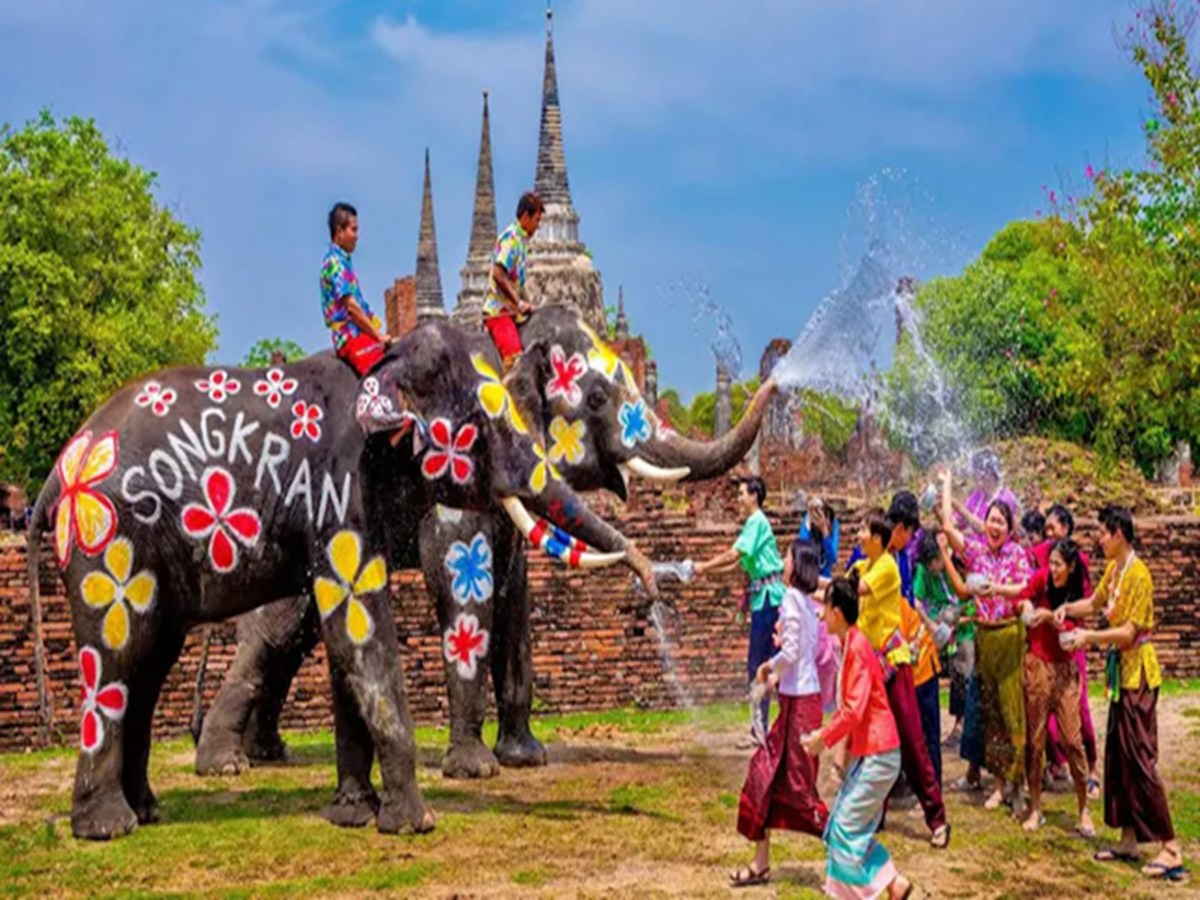
Baisakhi Festival 2026: India is a land of diversity, and distinct customs and traditions are observed in every state across the country. It is precisely this beauty and these traditions that set India apart from other nations. On Tuesday, the festival of Baisakhi will be celebrated nationwide—albeit under various names. In many regions, Baisakhi is observed as the New Year, while in others, it marks the time when crops ripen and the harvest season begins. Although the name of this day may vary, its significance remains universally the same. Today, we will tell you about how Baisakhi is celebrated in different parts of the country.
In North India—particularly in Punjab, Haryana, and Uttar Pradesh—this festival is known as Baisakhi and *Mesh Sankranti*. On this day, the Sun transitions from the Pisces zodiac sign (*Meen Rashi*) into the Aries zodiac sign (*Mesh Rashi*). This celestial shift impacts the length of the day, and summer temperatures begin to rise rapidly. In Punjab and Haryana, this day is regarded as the time of crop ripening, as well as the day Guru Gobind Singh Ji established the *Khalsa Panth* and formally founded the Sikh religion.
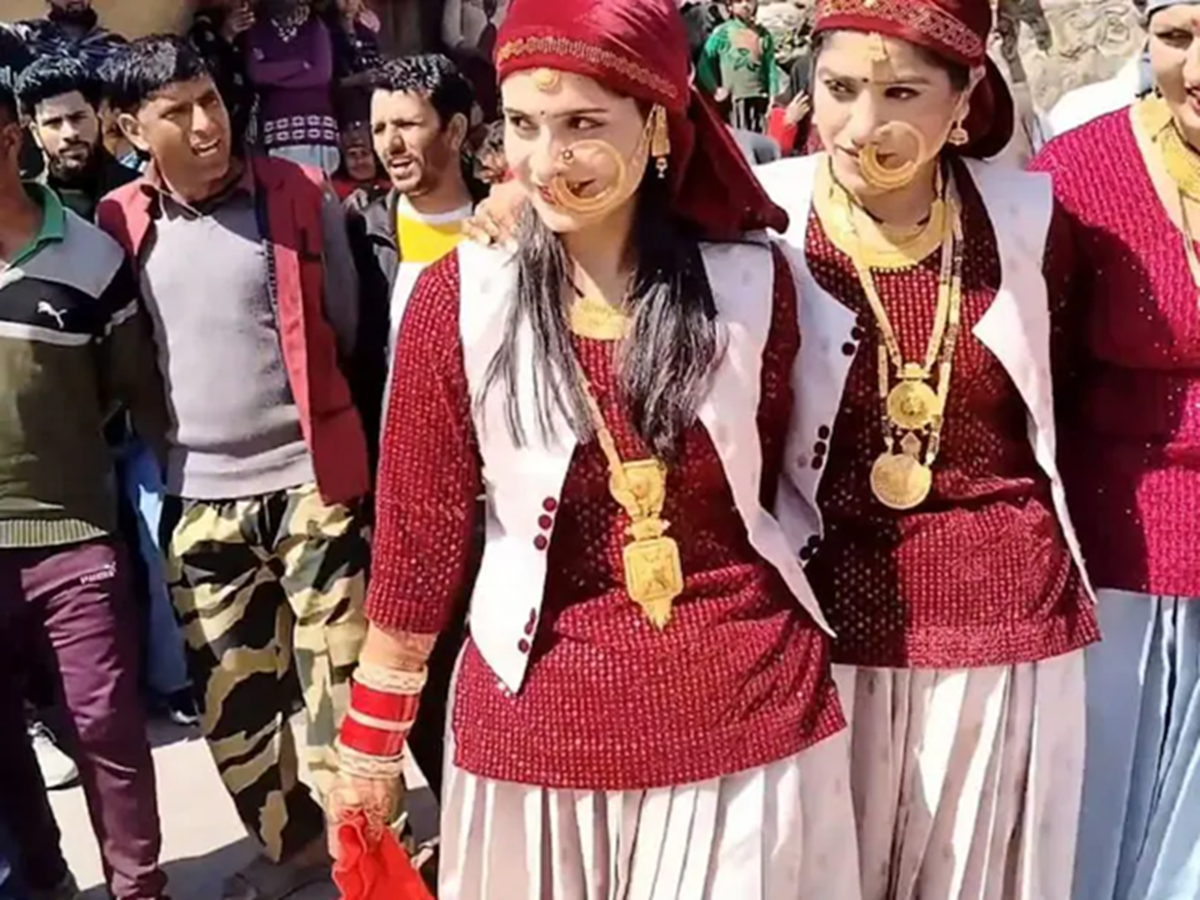
In Uttarakhand, the festival is known as *Bikhot* (or *Bikhotri*), while in Odisha, it is celebrated as *Maha Vishuva Sankranti*. In Uttarakhand, *Bikhot* celebrations are scheduled for April 14th and 15th, featuring a special emphasis on the worship of Lord Latu Dev. On this day, *Prasad* (sacred food offerings) made from grains are offered to the deities, and cultural fairs are organized outside the temples.
In Assam, *Rangali Bihu* is celebrated on April 14th; this festival is also recognized as the Assamese New Year. On this day, people in Assam adorn their homes with *Rangoli* patterns and partake in traditional sweet delicacies. Special cultural programs are organized in both rural and urban areas to mark this festive occasion. The entire atmosphere becomes vibrant and festive, filled with traditional *Bihu* dances, folk songs, the rhythmic beats of the *Dhol* (drums), and the melodious tunes of the *Pepa* (hornpipe). The youth participate in cultural programs dressed in traditional Assamese attire, while women busily prepare special festive dishes within their homes.
In Bengal, too, Baisakhi is celebrated as the New Year. According to the Bengali calendar, the Bengali New Year begins on April 14th. It is known as Poila Baisakh. On this day, the *Mangal Shobhajatra*—a festive procession—is organized, which has been recognized as a UNESCO Cultural Heritage.
Meanwhile, in South India, this occasion is celebrated as *Vishu*—the Malayali New Year. In Kerala, there is a long-standing tradition of offering fresh yellow flowers to the deities on this day; furthermore, in some temples, the idols of the deities are adorned not only with yellow flowers but also with gold.
In Tamil Nadu, this festival is known as *Puthandu*, and on this day, a special dish called *Manga Pachadi* is prepared in households. Seasonal fruits are used to make this dish, which is prepared using mangoes, tamarind, jaggery, and neem.
PC Social Media