Parenting
Values and a Connection to the Soil Will Make Children Mentally Strong: Adopt These 7 Traditional Methods..

Desi Parenting Habits: In today's "apartment culture," the world of children being raised within it has shrunk to the confines of a tablet or smartphone screen. We are providing them with every comfort and luxury the world has to offer, but are we truly imparting the "mental resilience" that we ourselves experienced during our childhoods? Today's "city kid" becomes irritable upon losing a single level in a digital game, whereas our own childhoods were spent falling in the dirt, scraping our knees, and then simply getting back up to run again. This is precisely the "Desi resilience" that we need to reclaim.

If you want your child to grow up strong—not just academically, but also mentally and physically—we must return to those old "Desi" habits that forged our ancestors and us into steel. Here are 7 such Desi habits that will make your child truly strong in every sense:
1. Friendship with Soil (Nature Play)
In cities, we often keep children away from the soil out of fear of dirt and germs. However, science tells us that the "microbes" present in soil actually boost a child's immunity. Let them walk barefoot in a park at least once a week, or assign them tasks such as watering plants or digging in the soil. This will foster a deep connection with nature.
2. Participation in Kitchen Chores
In the past, children routinely helped out with small household chores. Instead of treating your child like a "prince" or "princess," involve them in minor kitchen tasks—such as shelling peas, helping to knead dough, or simply carrying their own plate to the sink. This instills in them a sense of "responsibility" and "self-reliance."
3. "Desi" Dietary Habits
Children today have become accustomed to a diet of smoothies, soups, and soft foods. Teach them the simple pleasures of sucking on sugarcane, eating roasted corn on the cob, or crunching on raw carrots and radishes. Not only is this excellent for the health of their teeth and jaws, but it also helps cultivate their patience. Instead of packaged chips, offer them roasted fox nuts (makhana) or chickpeas.
4. The Magic of Grandparents' Stories
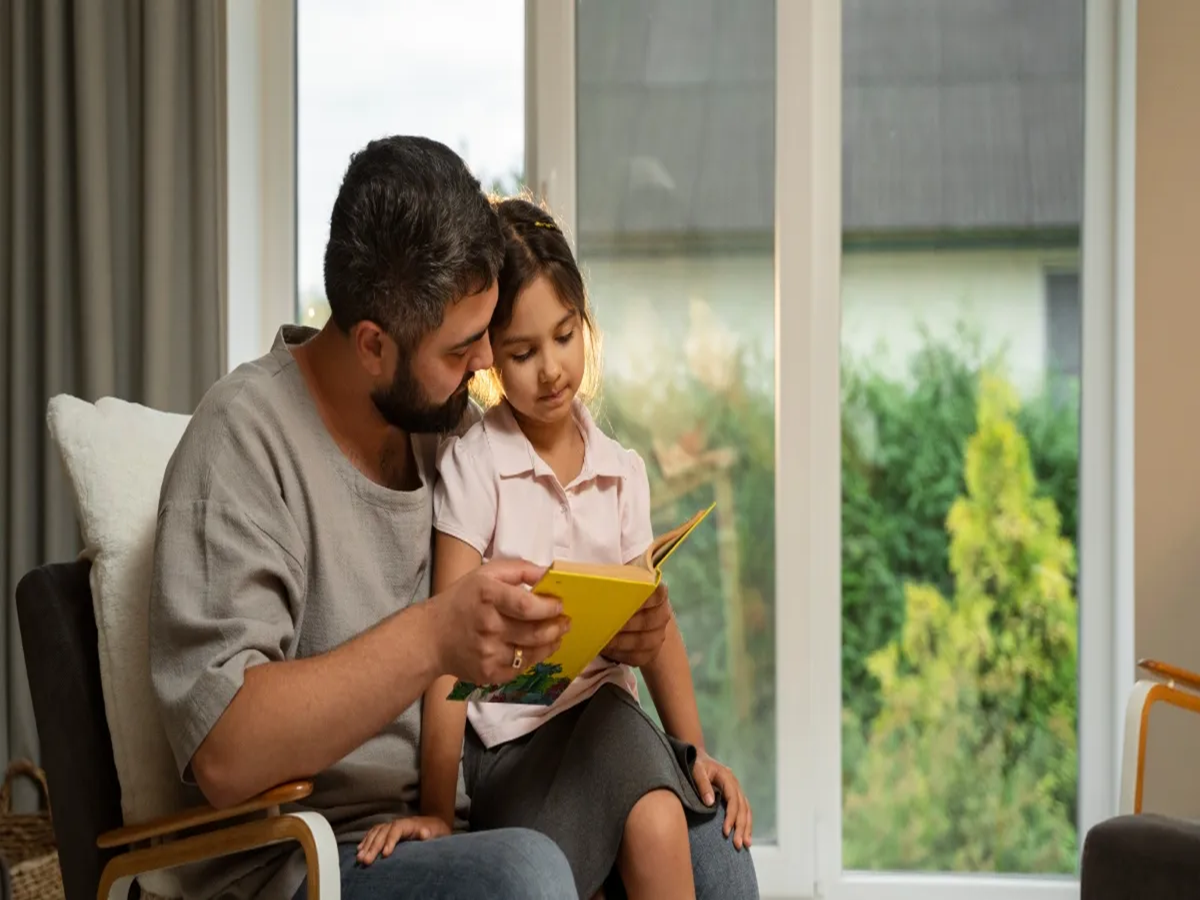
While gadgets provide children with information, they do not instill values. Cultivate the habit of listening to stories from grandparents or parents before bedtime, rather than staring at a mobile phone. The life lessons learned through tales like the *Panchatantra* or local folklore prove to be the cornerstone of a child's character development.
5. Eating While Seated on the Floor (The Grounding)
Establish a tradition of occasionally sitting on the floor to eat with the family, rather than always using the dining table. Not only is this beneficial for digestion, but it also instills in children a sense of 'humility' and a 'connection to their roots.'
6. Expressing Emotions Through Pen and Paper
In this era of digital messaging, teach children to appreciate the significance of pen and paper. Encourage them to write handwritten 'thank you notes' when visiting someone's home or upon receiving a gift. This simple habit fosters a sense of gratitude and cultivates the art of expressing emotions.
7. Embracing Boredom (The 'No Gadgets' Hour)
We often tend to hand a phone to our children the moment we see them getting bored. Remember: 'Boredom' is the mother of creativity. Designate one hour each day as a 'No Gadgets Hour.' When they do not have access to phones, they will naturally invent their own games, engage in drawing, or come up with new ideas.

Remember, parenting is not merely about providing children with comforts and amenities; it is about preparing them to face life's challenges. These traditional habits instill in children a sense of discipline, patience, and mental resilience. Keep in mind: the deeper the roots, the more steadfastly the child will stand firm amidst the storms of the future.
PC Social Media