
LIFESTYLE
Two Eclipses in 5 Days: A Sign of Cataclysm! Impact on India and Astrological Significance..
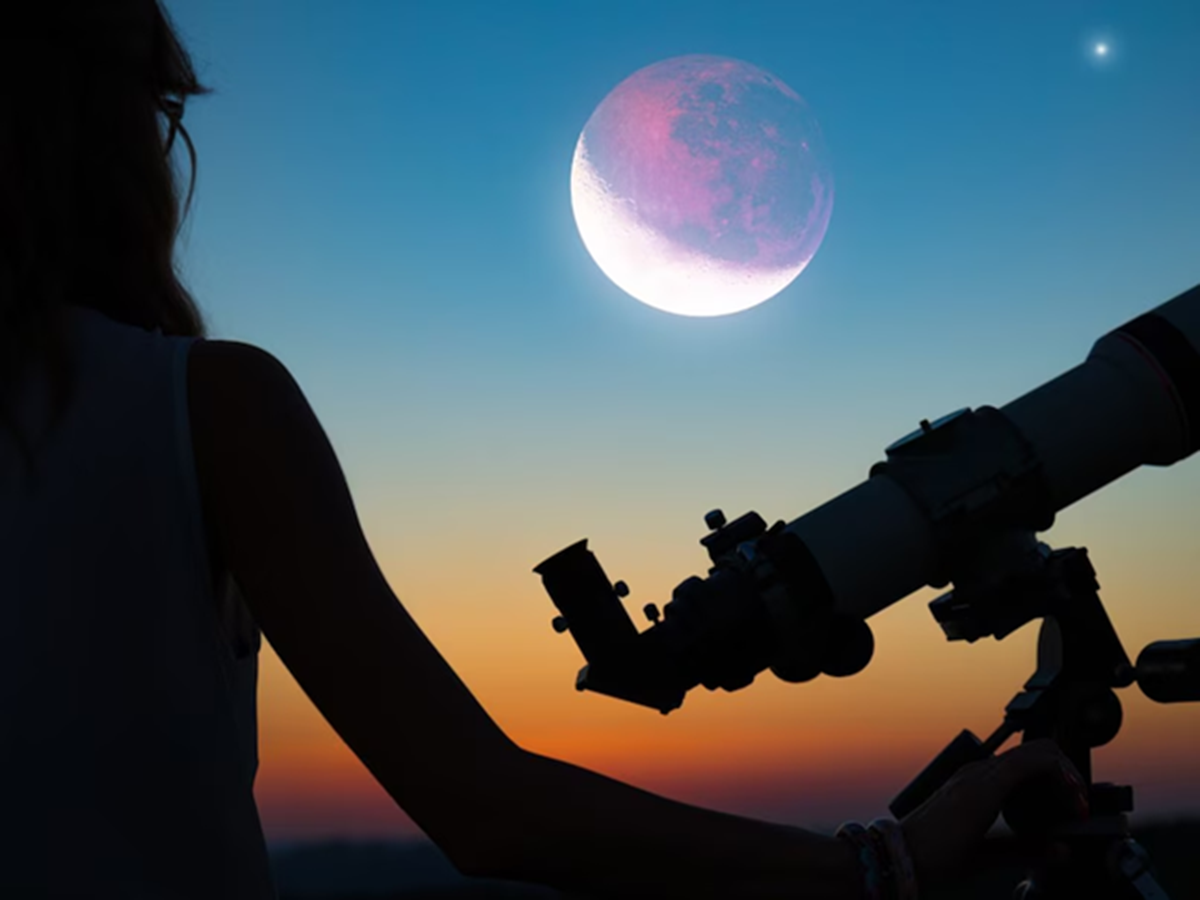
Two Eclipses in 15 Days: The adage cited in ancient astrological texts—"Ek pakh do grahana; raja mare ya sena" (Two eclipses within a single lunar fortnight; either the King dies or the army perishes)—has become a subject of intense discussion these days. According to the science of astrology, when two eclipses (both solar and lunar) occur within the same *paksha* (lunar fortnight), their impact is not limited merely to natural phenomena; rather, it is also regarded as a harbinger of political, economic, and social upheaval. Astrologers consider the occurrence of two eclipses within such a short span of time to be an inauspicious omen. It is believed that this phenomenon profoundly impacts governance, warfare, natural disasters, and the lives of the general public. The phrase "either the King dies, or the army perishes" implies that either those currently in power may suffer harm, or the common people (symbolized by the "army") may be compelled to endure hardships. Let us explore how, according to astrology, this phenomenon is expected to impact our daily lives...
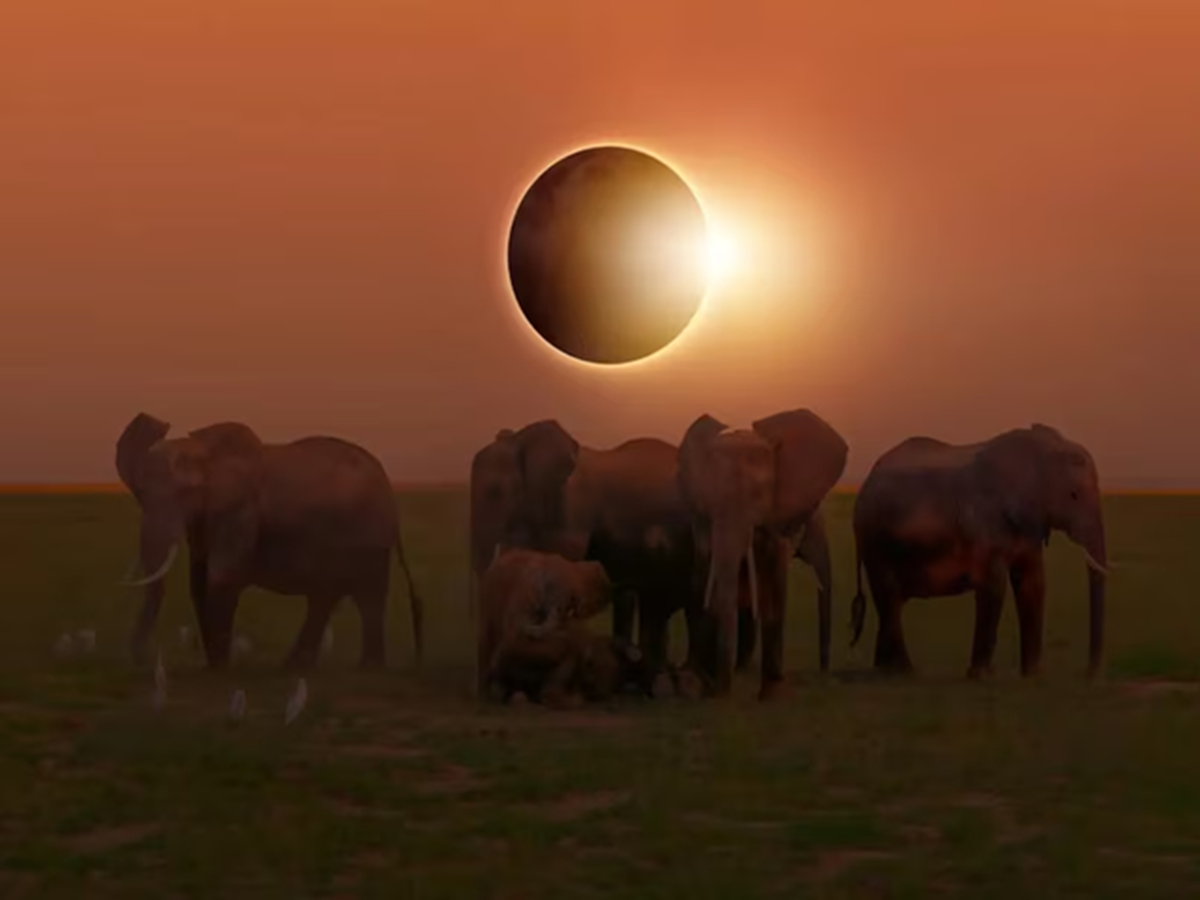
The year 2026 is set to witness four eclipses, comprising two solar eclipses and two lunar eclipses. The first event—a solar eclipse—occurred on February 17, followed by a lunar eclipse on March 3. Thus far, two eclipses have already taken place within a span of just 15 days. The next eclipse—a solar eclipse—is scheduled to occur on August 12; merely a few days later—specifically 17 days later—a lunar eclipse will once again be visible. A similar scenario unfolded in 2025, when pairs of eclipses occurred at close intervals.
If we cast a glance at the current global landscape, several events appear to resonate with this ancient adage. The escalating tensions between Iran and the United States, coupled with the ongoing war between Russia and Ukraine, have destabilized the entire world. These conflicts have adversely affected the global economy, leading to a persistent rise in inflation. In numerous countries—including India—unseasonal rainfall and the effects of climate change are causing widespread destruction of farmers' crops. From an astrological perspective, these occurrences are being attributed to the inauspicious alignment of planets and the influence of the eclipses. During an eclipse, the specific positioning of Rahu and Ketu—in conjunction with the Sun and the Moon—disrupts the natural equilibrium, thereby triggering abnormal and erratic weather patterns. The situation on the economic front also remains a cause for concern. From food items to fuel, the prices of everything are witnessing a continuous rise. Astrologers believe that the influence of an eclipse introduces instability into the market, and this situation may persist for an extended period. Just recently, Oracle Corporation laid off 30,000 employees, 12,000 of whom were Indians alone. We may witness more such instances in the near future.
Although from a scientific perspective, directly linking these events to eclipses is not considered appropriate, those who place their faith in astrology view this as a warning. They believe that this is a time to remain vigilant and exercise patience. Experts suggest that during such times, maintaining a positive outlook, engaging in charitable acts, and observing religious rituals can help mitigate negative influences.
What is the significance of these two eclipses in astrology? According to Vedic astrology, eclipses occur due to the influence of Rahu and Ketu. The solar eclipse took place in the sign of Aquarius, while the lunar eclipse occurred in the sign of Leo (specifically in the Purva Phalguni Nakshatra). These events signal karmic shifts—specifically, the consequences of impulsive decisions and the culmination of long-standing issues. As per the astrological forecasts for February and March, the impact of these eclipses was observed most prominently on individuals belonging to the signs of Leo, Aquarius, Cancer, and Capricorn. However, this serves as a warning for everyone. People should pay close attention to their health, family life, and professional careers.
The Solar Eclipse in Antarctica:
Impact on the General Public: Following these two eclipses, the global landscape underwent a significant shift. On March 28th, the conflict involving Iran erupted. Subsequently, various problems emerged across nations worldwide. Our country, India, in particular, has had to confront direct repercussions stemming from this conflict. The war has fueled inflation, causing considerable hardship and distress for the common people. According to astrological principles, these events are unfolding as a consequence of the inauspicious period associated with the eclipses. Astrology suggests that decisions made by a few influential figures are impacting everyone, while the rest of the world looks on.
Both eclipses—while serving as ominous omens—also herald the dawn of a new beginning. Following the eclipse, some individuals will encounter new opportunities. Long-standing problems will be resolved. According to astrology, positive changes in circumstances will be observed once the inauspicious phase of the eclipse concludes. However, the influence of the eclipse still lingers; consequently, instances of family discord and political instability are currently being witnessed. Pregnant women and children are advised to exercise extra caution.
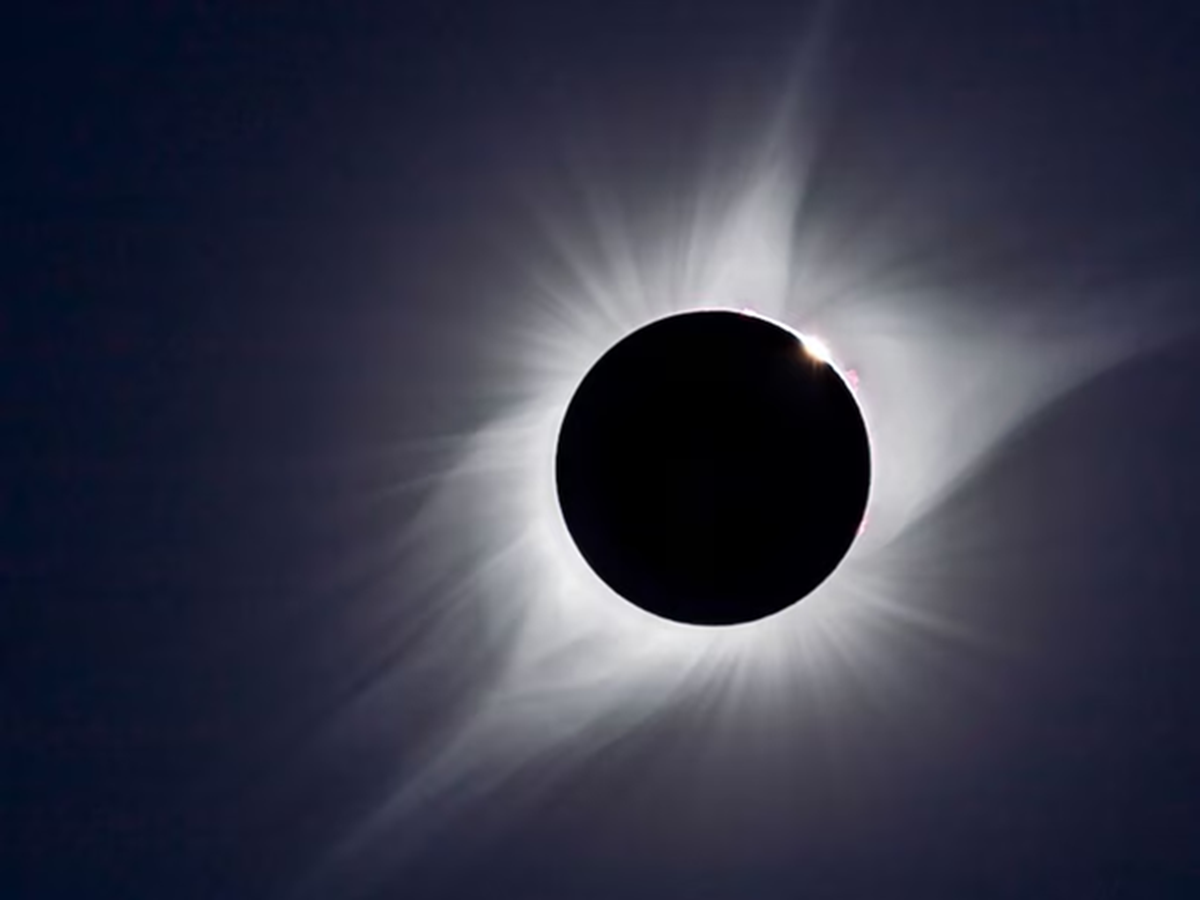
What do these eclipses teach us about life? Eclipses serve as a "reset button" for us; they assist us in shedding old habits and charting a new path forward. During this period, many young people across the country may choose to change their careers or independently determine their future course of action. From a scientific perspective, NASA has stated that these are merely natural astronomical phenomena.
PC Social Media