Food & recipe
These mistakes made while cooking paneer strip away its protein—are you, too, making these three common errors?
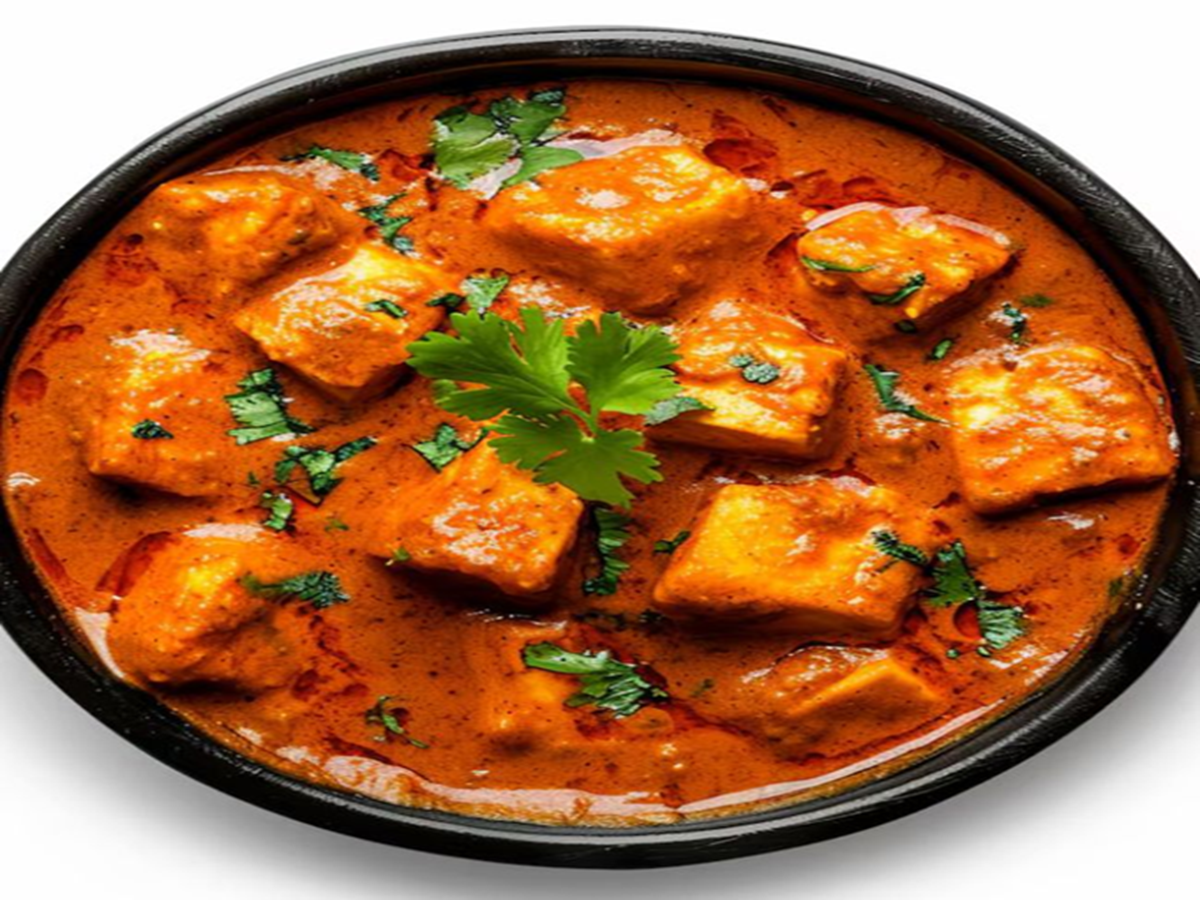
Paneer is considered a powerhouse of protein for vegetarians. Whether it is young gym-goers or growing children, everyone relies on paneer for muscle repair and strengthening.
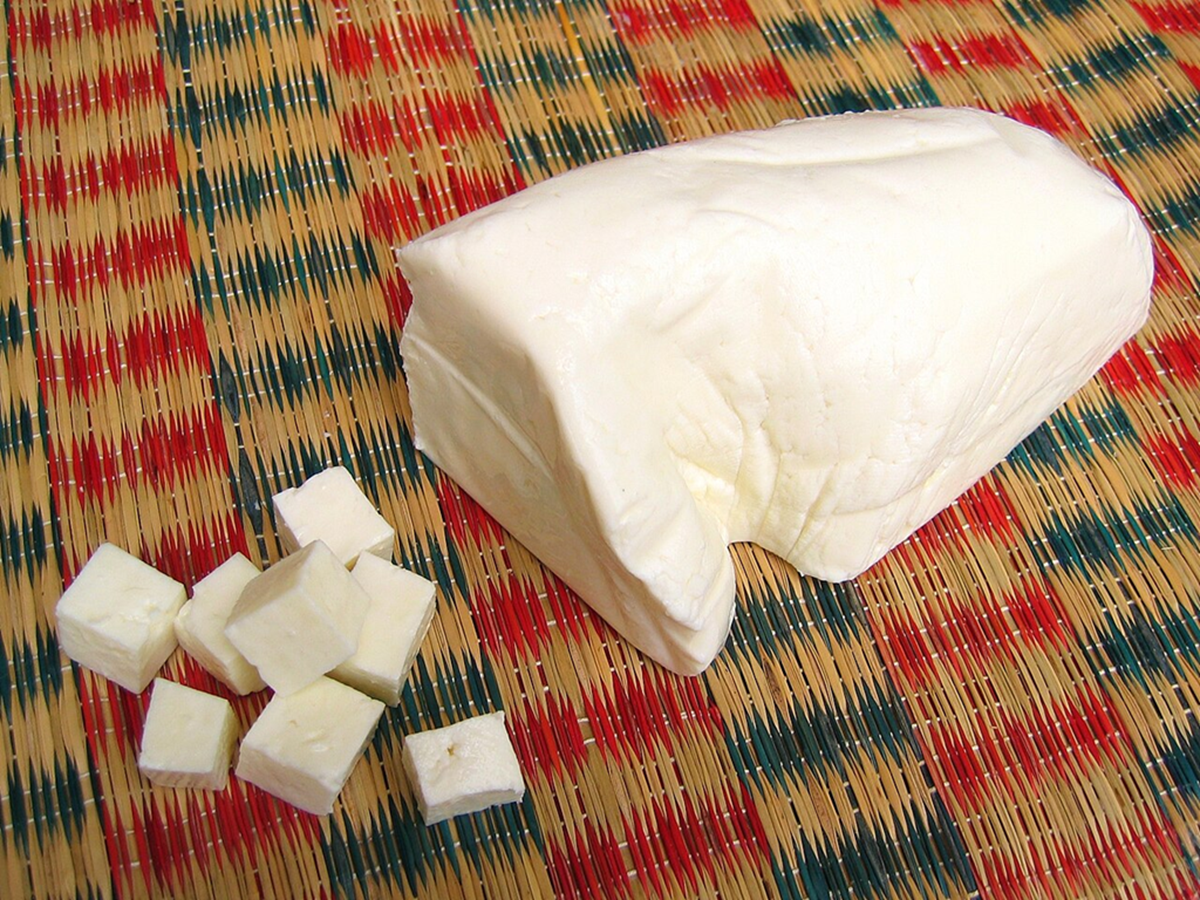
But did you know that simply including paneer in your diet is not enough? The way you cook it determines how much nutrition your body actually receives. Yes, often in the pursuit of better taste and texture, we make mistakes in the kitchen that end up diminishing the protein content of the paneer. If you, too, are cooking paneer incorrectly, you are merely consuming calories—not protein. Let's take a look at these three common mistakes.
**Adding Paneer to Rapidly Boiling Water**
Often, in an attempt to make paneer soft, people drop it into scalding water or boil it along with water for an extended period. The proteins in paneer are sensitive to high temperatures. When you immerse it in boiling water exceeding 100°C, the protein structure undergoes denaturation. This causes the paneer to become tough and rubbery, while essential nutrients contained within it—such as B-complex vitamins—dissolve into the water and are lost.
**The Correct Method:** Never cook paneer in boiling water. If the paneer is hard, simply soak it in lukewarm water for 5–10 minutes. This will soften it without any loss of nutrients.
**Deep-Frying Paneer**
Whether it’s *Matar Paneer* or *Kadhai Paneer*, we often deep-fry the paneer cubes in oil until they turn golden brown. While this undoubtedly enhances the taste, it is a major blunder from a health perspective. Deep-frying hardens the outer layer of the paneer, making it difficult for the body to digest. Frying at high temperatures causes the beneficial fats present in the paneer to oxidize, thereby degrading the quality of its protein. Furthermore, this process increases the calorie count of the paneer by two to three times, leading to weight gain rather than weight loss.
The Right Way: Instead of deep-frying paneer, sauté it. This ensures that both its flavor and protein content are preserved.
Incorrect Storage Method
Paneer is a perishable food item. If left uncovered or stored for an extended period, bacteria begin to multiply within it, and its protein content starts to diminish. This also poses a risk of food poisoning.
The Right Way: Always store paneer by submerging it in a bowl filled with clean water, and then place it in the refrigerator. Change the water every 24 hours. This will keep the paneer fresh and rich in protein for 2–3 days.
PC Social Media