LIFESTYLE
These 6 types of women should, under no circumstances, observe the *nirjala* (waterless) fast of Karwa Chauth..

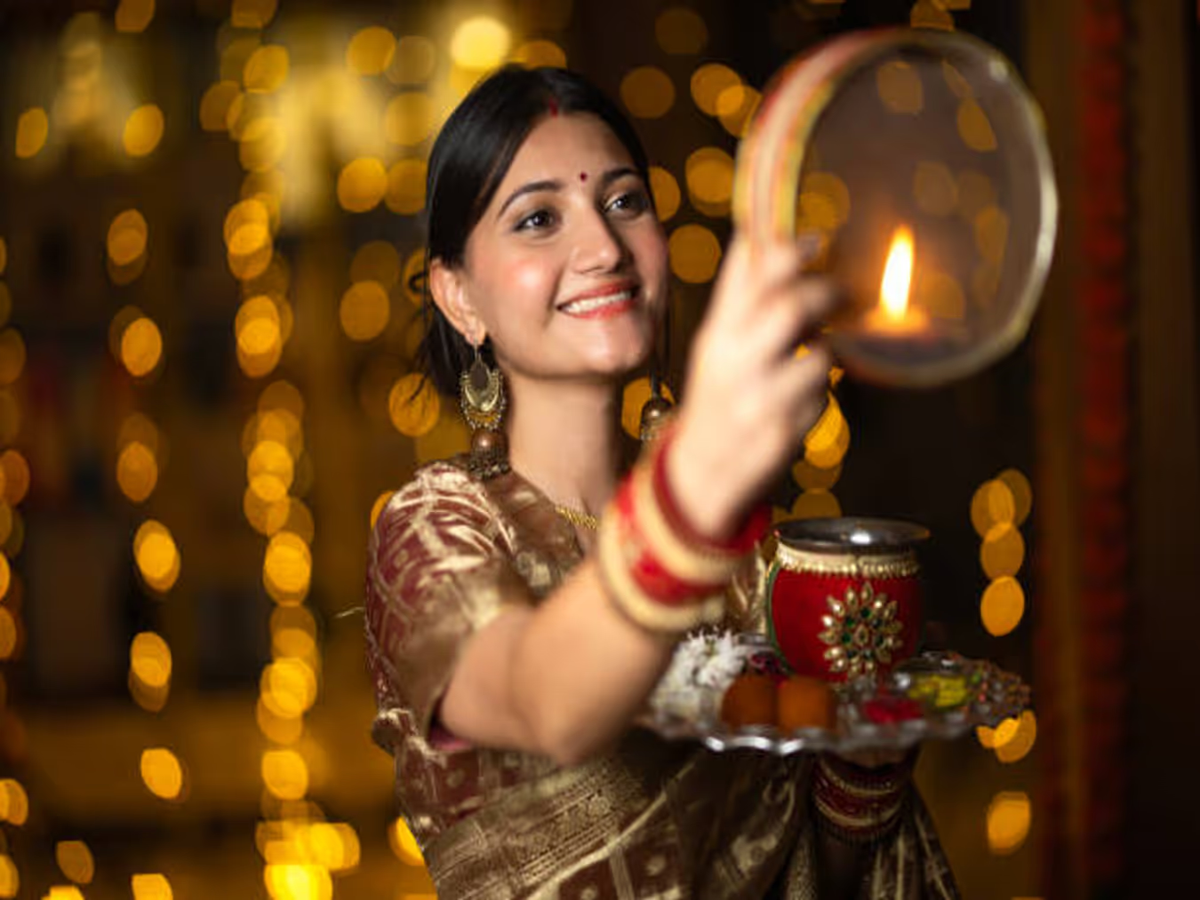
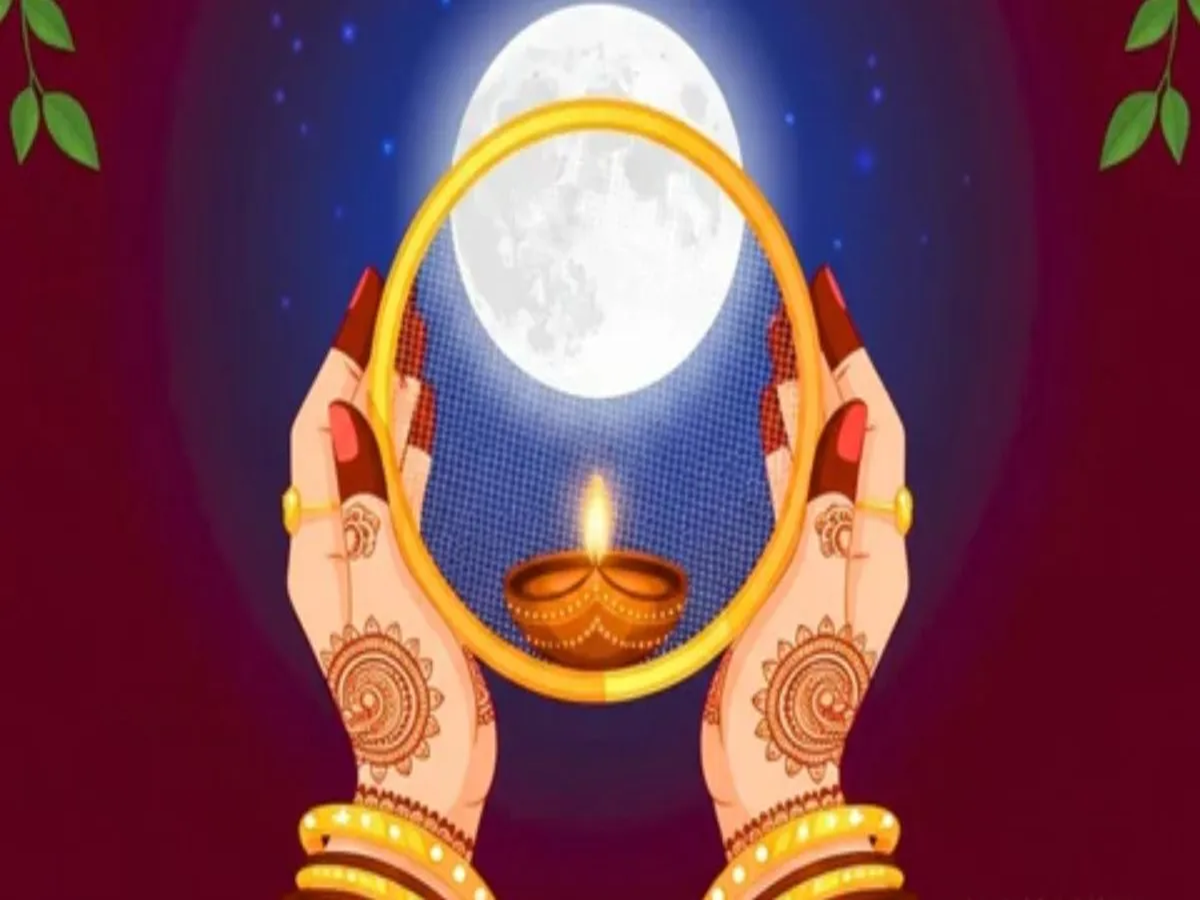
Karwa Chauth Vrat Rules 2026: The Karwa Chauth fast will be observed on Thursday, October 29. This sacred festival is celebrated every year on the fourth day (Chaturthi Tithi) of the waning phase (Krishna Paksha) of the lunar month of Kartika. On this day, women observe a *nirjala* (waterless) fast throughout the day, praying for their husbands' longevity and a happy married life. The fast begins with the consumption of *sargi* (a pre-dawn meal) and concludes after offering *arghya* (a ritual offering) to the moon. However, remaining without food and water for the entire day may not be suitable for every woman’s health; for those with certain health concerns, prolonged fasting—without food or water—could exacerbate existing issues. Ancient scriptures also account for such situations and advise against fasting in these cases. Let us look at the 6 circumstances under which women should avoid observing the *nirjala* fast of Karwa Chauth:
Pregnant Women
During pregnancy, the nutritional requirements of both the mother and the developing fetus increase. Going without food and water for an extended period can lead to issues such as dehydration, dizziness, and weakness. Therefore, pregnant women must consult a doctor before deciding to observe a *nirjala* fast. If there is any risk, it is better to refrain from fasting.
Breastfeeding Women
Women who are breastfeeding newborns require adequate fluids and nutrition. Going without water for a long time can cause dehydration and fatigue in the mother. Such women should prioritize their own health as well as that of their child.
Women with Diabetes
For those with diabetes, remaining on an empty stomach for a long duration can cause blood sugar levels to fluctuate—dropping too low or rising too high. The risk is particularly higher for women who take insulin or certain medications. Observing a *nirjala* fast without medical advice can be harmful.
Women with Heart Disease
Women suffering from heart disease need to exercise special caution regarding their food and water intake. During the *nirjala* (waterless) fast of Karwa Chauth, there is a risk of dehydration and electrolyte imbalance. Prolonged fasting puts strain on the heart, which could exacerbate existing heart-related issues.
Women with health concerns
Women suffering from conditions such as anemia, frequent dizziness, gastrointestinal issues, low blood pressure, kidney-related problems, or any other serious illness should avoid going without food and water for long periods. The *nirjala* fast of Karwa Chauth can lead to increased weakness, making it difficult to carry out daily activities.
Women during their menstrual cycle
Every woman’s physical condition varies during her menstrual cycle. Some may experience abdominal pain, fatigue, weakness, or heavy bleeding. In such cases, the *nirjala* fast of Karwa Chauth can further complicate these issues. In some households, women may observe the Karwa Chauth fast but have the *puja* (rituals) performed by their husbands or other family members; it is best to follow the customs and traditions practiced in your own home.
PC Social Media