LIFESTYLE
The 'Solah Shringar' holds special significance during the month of Sawan; discover the meaning behind each piece of jewelry..
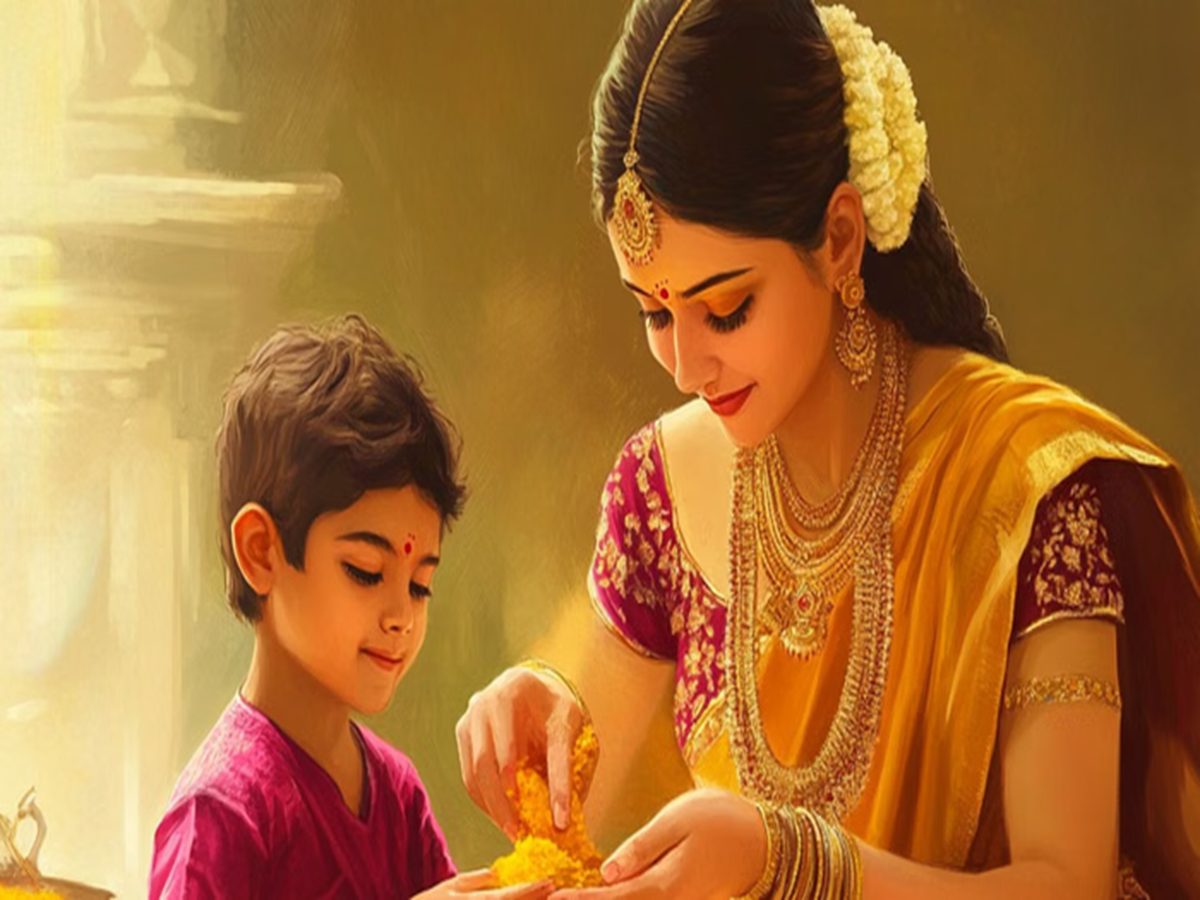
Sawan Solah Shringar: With the arrival of the month of Sawan, the sound of temple bells, the vibrancy of lush greenery, and the beauty of women adorned in the 'Solah Shringar' (sixteen traditional adornments) become visible everywhere. During this month, married women worship Lord Shiva and Goddess Parvati, praying for their husbands' longevity, prosperity, and marital bliss. In this context, Solah Shringar is not merely a tradition of dressing up; it is considered a symbol of Indian culture, faith, and auspiciousness. However, in today's fast-paced life, while many women observe the Solah Shringar tradition, they often remain unaware of the underlying meanings and significance associated with it.
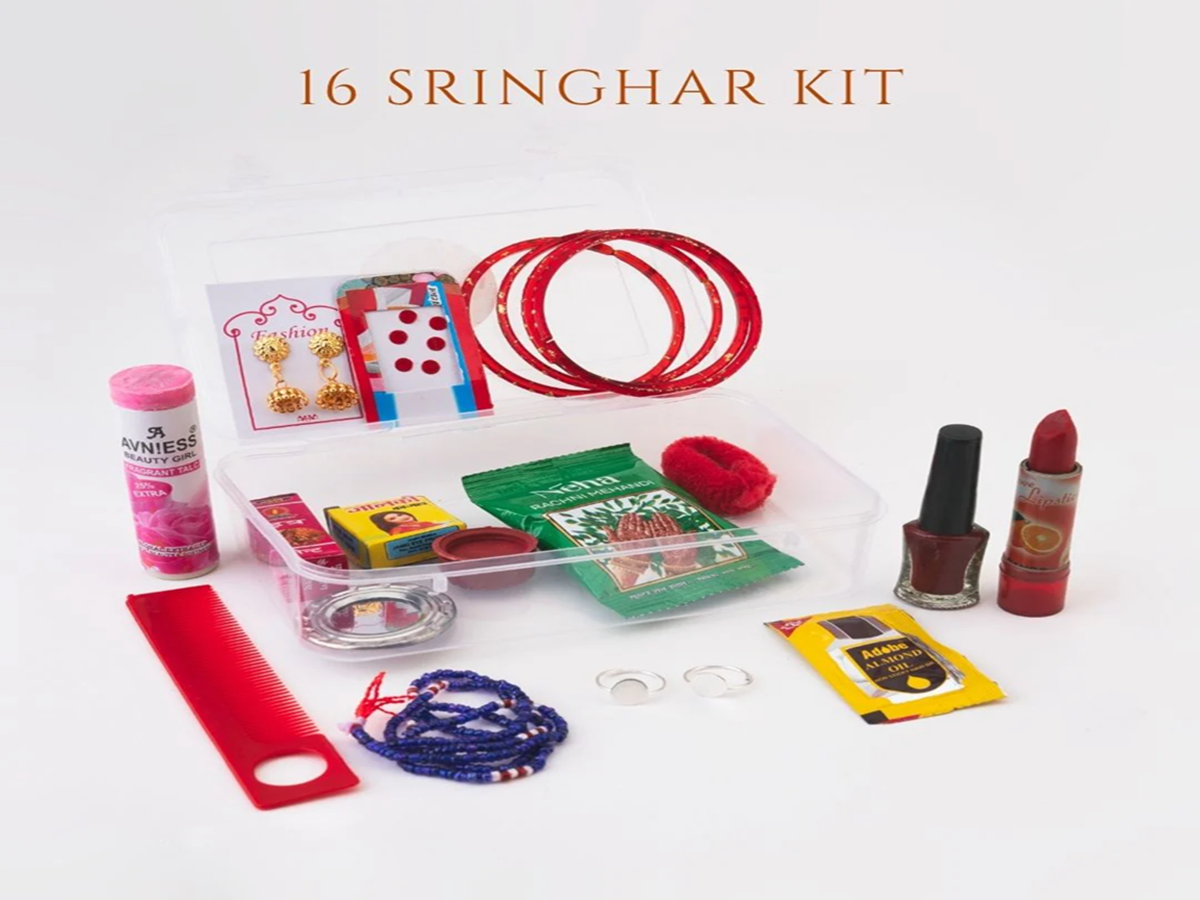
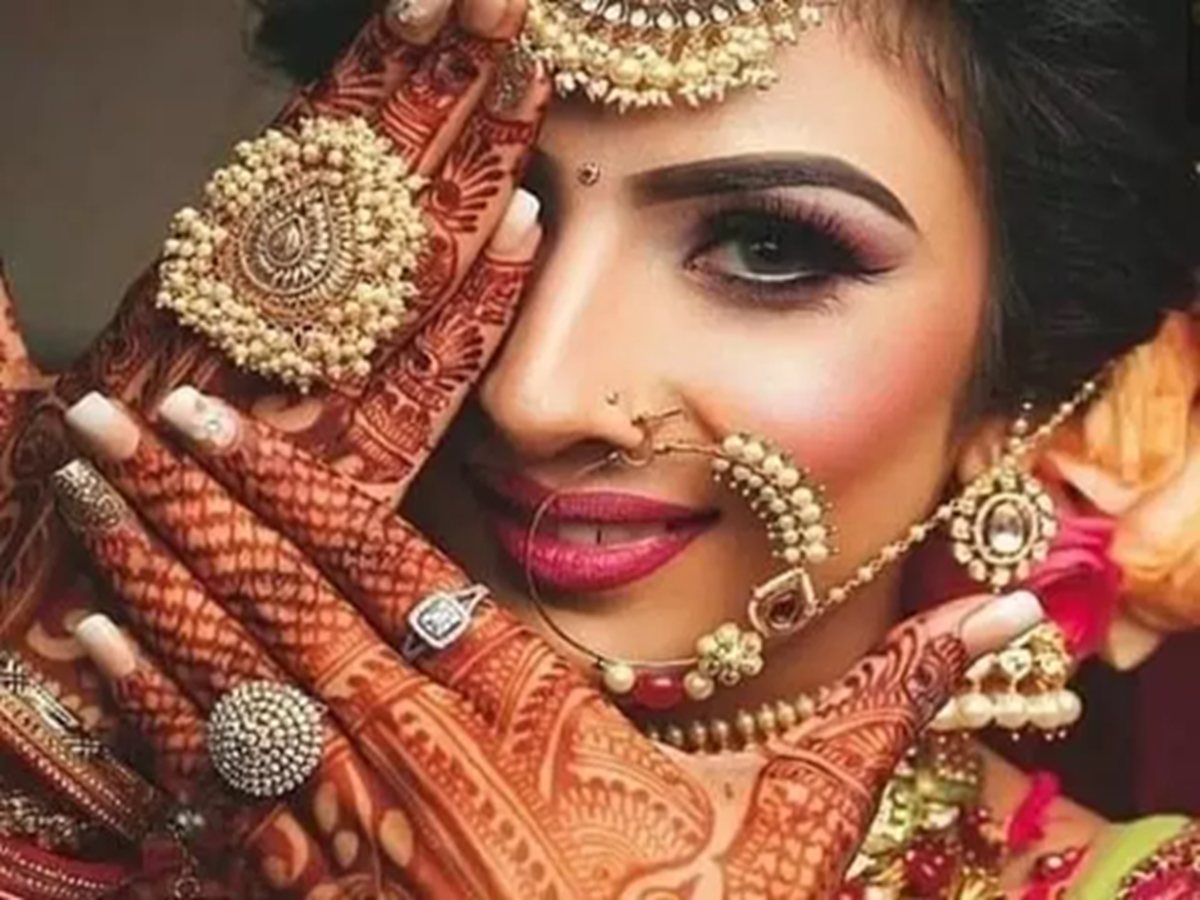
Each piece of jewelry carries a unique message. Some symbolize marital bliss, while others are associated with self-confidence, prosperity, and positive energy. If you also observe Solah Shringar during Sawan or wish to understand the tradition, let us explore the meaning behind each adornment and why it is considered so special.
Why is Solah Shringar considered special?
In Indian tradition, Solah Shringar is regarded as a symbol of a woman's marital bliss, beauty, and dignity. According to religious beliefs, Goddess Parvati performed penance to win Lord Shiva as her husband and adorned herself with the sixteen traditional elements after their marriage. Since then, this tradition has been observed, particularly during festivals like Sawan, Teej, Hariyali Teej, Karwa Chauth, and other auspicious occasions.
The significance of each element of Solah Shringar
1. Bindi
The bindi is considered a mark of a married woman. Religious belief holds that it symbolizes concentration, self-confidence, and auspiciousness.
2. Sindoor (Vermilion)
Sindoor is regarded as the ultimate symbol of marital bliss. It is associated with the husband's longevity and happiness in married life.
3. Maang Tikka
The Maang Tikka is worn in the center of the forehead. It is considered a symbol of mental balance, dignity, and positive thinking.
4. Kajal (Kohl)
Kajal not only enhances the beauty of the eyes but is also believed to offer protection against the evil eye. This tradition is still observed in many families today.
5. Nath (Nose Ring)
The *nath* is not merely an ornament but is considered a symbol of a married woman's honor and dignity. Its designs vary across different states.
6. Jhumkas (Earrings)
Ear ornaments enhance a woman's beauty. In traditional beliefs, they are regarded as symbols of auspiciousness and an attractive personality.
7. Haar (Necklace)
A necklace is considered a symbol of prosperity, honor, and love. It holds special significance during weddings and festivals.
8. Mangalsutra
The *mangalsutra* is a vital symbol of married life. It signifies the trust, love, and unbreakable bond between husband and wife.
9. Choodiyan (Bangles)
Green bangles hold special significance during the month of *Sawan* (monsoon). They are considered symbols of happiness, new beginnings, and good fortune.
10. Bajuband (Armlet)
The *bajuband* is considered a symbol of strength, self-confidence, and valor. In the past, it was also a mark of identity for women of royal families.
11. Mehendi (Henna)
Adornment for *Sawan* is considered incomplete without *mehendi*. Its deep color is associated with love and auspiciousness.
12. Angoothi (Ring)
A ring is considered a symbol of trust and commitment in a relationship. It holds special importance after marriage.
13. Kamarband (Waistband)
The *kamarband* is considered a symbol of self-restraint and dignity, alongside beauty. It holds a distinct place in traditional attire.
14. Payal (Anklets)
The melodious sound of anklets is considered a sign of auspiciousness in the home. They are also seen as symbols of humility and feminine grace.
15. Bichhiya (Toe Rings)
Toe rings are worn exclusively by married women. They are considered symbols of marital status and the auspiciousness of married life.
16. Itr or Sugandh (Perfume/Fragrance)
Fragrance marks the final element of the *Solah Shringar* (the sixteen adornments). A pleasant fragrance is associated with a positive atmosphere and a joyful state of mind.
Why does the tradition of *Solah Shringar* (the sixteen adornments) remain significant today?
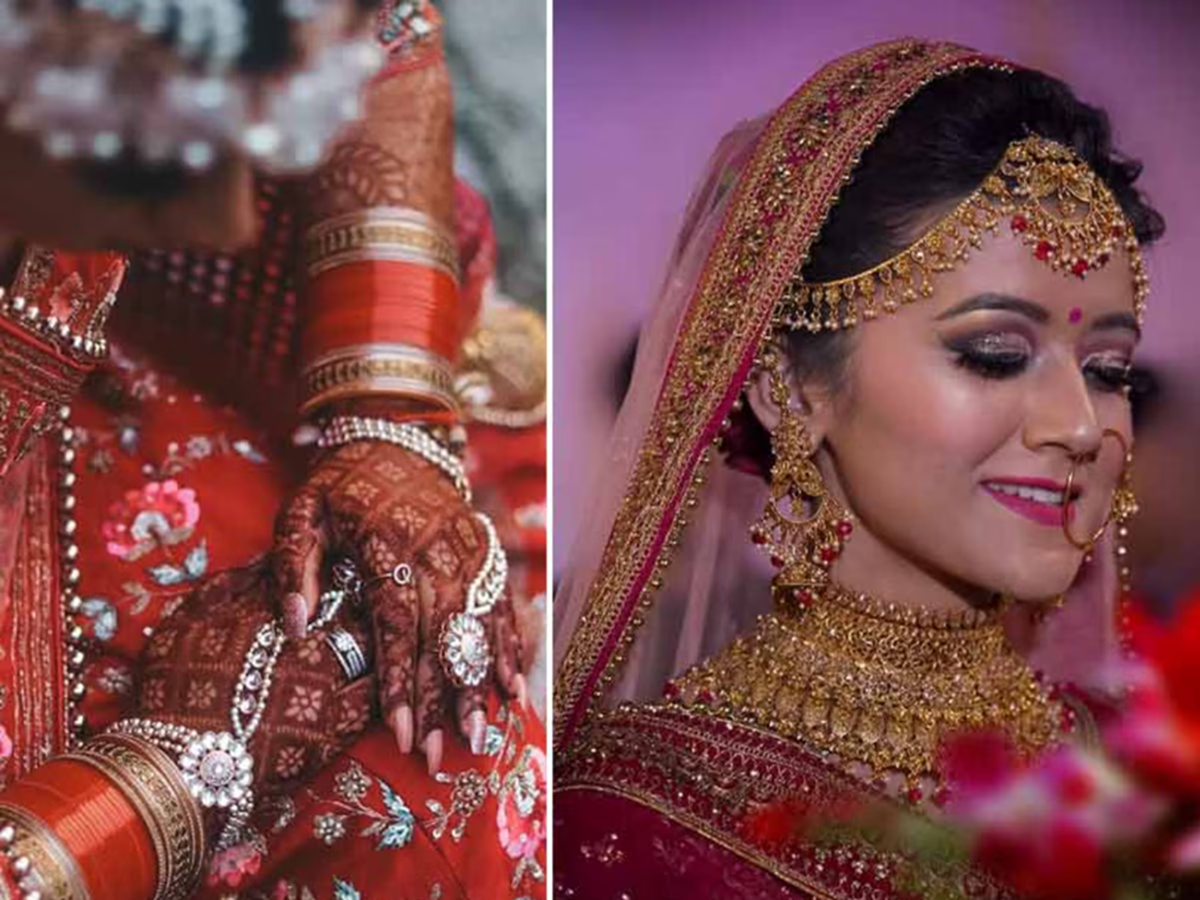
Even though fashion trends have evolved, women still prefer to embrace the traditional *Solah Shringar* during occasions like *Sawan* and *Teej*. While many women may not wear every single piece of jewelry, elements such as *sindoor* (vermilion), bangles, *mehndi* (henna), *bindi*, and *mangalsutra* remain integral to their faith and traditions. This is precisely why the custom has retained its identity amidst modernity.
*Solah Shringar* is not merely a means of enhancing physical beauty; it is a beautiful confluence of Indian culture, family traditions, and auspicious beliefs. Its significance is further heightened during the holy month of *Sawan*. Although the specific meanings and customs may vary across different regions and families, the underlying essence is rooted in marital bliss, love, and positivity.
PC Social Media