
LIFESTYLE
The grand Chhath festival begins tomorrow with 'Nahay-Khay'; learn about the rituals and traditions for these four days..

Chhath Puja 2026: The very mention of the grand festival of Chhath evokes beautiful images of faith, devotion, and folk traditions. Celebrated with great reverence and enthusiasm—not only in Bihar, Jharkhand, and eastern Uttar Pradesh but also across the country and abroad—this major festival spans four days and is dedicated to the worship of the Sun God (Lord Surya) and Chhathi Maiya. A unique aspect of Chhath Puja is the offering of *arghya* (oblations) to both the setting and the rising sun.
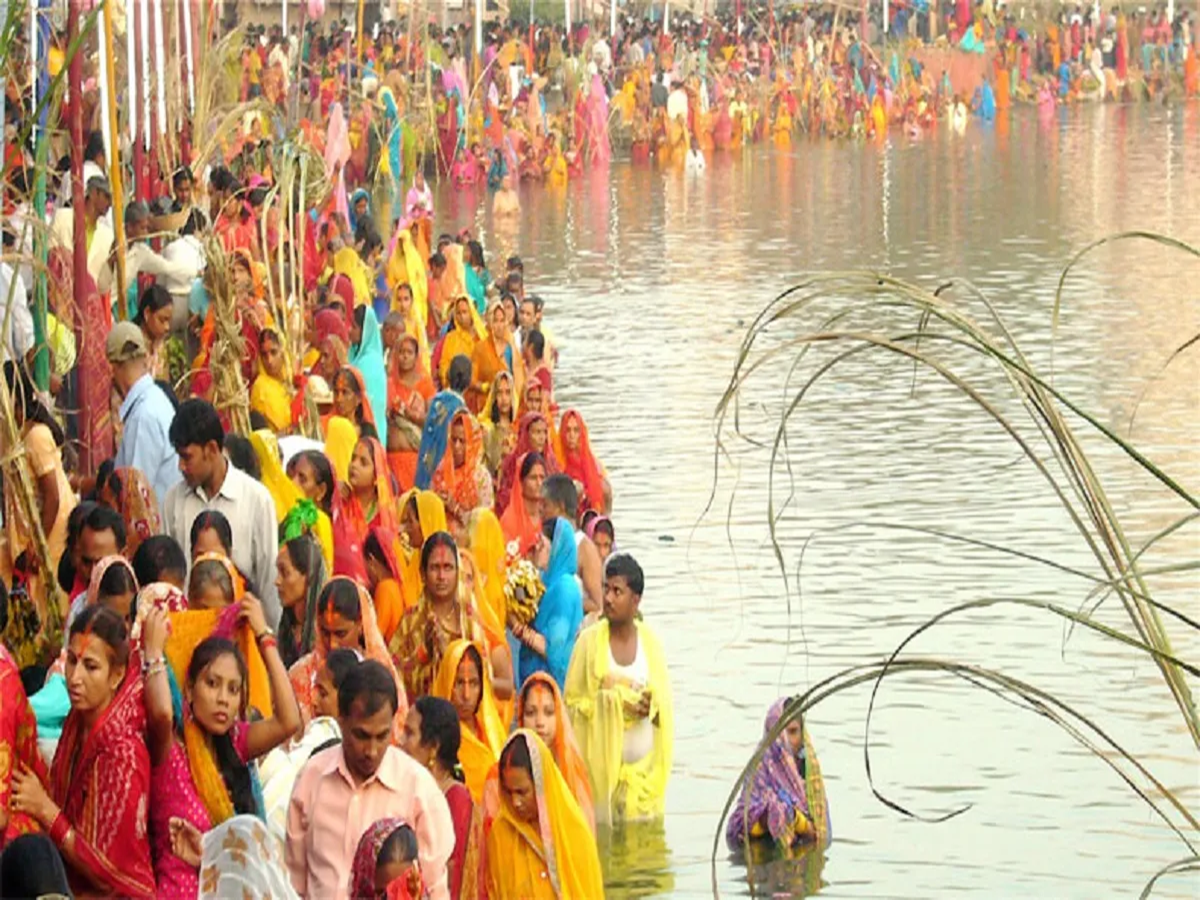
During this period, those observing the fast (*vratis*) adhere to strict rules and maintain a *nirjala* (waterless) fast for approximately 36 hours. The Chhath festival will begin on Friday, November 13, and conclude on Monday, November 16, with the *Usha Arghya* (offering to the rising sun) and *Paran* (the breaking of the fast).
The first day of Chhath Puja begins with *Nahay-Khay*. On this day, the *vratis* wake up early, bathe, and thoroughly clean their homes—paying special attention to the purity of the kitchen and areas designated for worship—before preparing a *satvik* (pure, simple) meal. Typically, this meal consists of a pumpkin dish, *chana dal* (split Bengal gram), and rice. Once they have consumed this meal, the *vratis* begin observing the rules of Chhath.
The second day of Chhath Puja is known as *Lohanda* and *Kharna*. On this day, the *vratis* fast throughout the day and, following evening prayers, partake in the *Kharna* *prasad*. This *prasad* typically includes *kheer* (a sweet pudding) made with jaggery, *roti* (flatbread), and fruits. Consuming the *Kharna* *prasad* marks the commencement of a rigorous 36-hour *nirjala* fast, during which the *vratis* neither eat nor drink any water.
The third day of the Chhath festival is considered the most significant. On this day, the *vratis* stand in the water—at the bank of a river, pond, or other water body—and offer *arghya* to the setting sun. For the ritual, items such as *thekua* (a traditional sweet snack), fruits, coconuts, and other customary offerings are arranged in bamboo trays (*soop*) and baskets. At sunset, water is offered to the Sun God (Lord Surya) with prayers for the family’s happiness, prosperity, good health, and the well-being of one’s children.
The fourth and final day of Chhath Puja concludes with 'Usha Arghya'. On this day, those observing the fast arrive at the riverbank (ghat) before sunrise and offer 'arghya' (water/oblations) to the rising sun. Following this, prayers are offered to Chhathi Maiya and the Sun God for the welfare of the family. Once the rituals are complete, the observers break their fast—a process known as 'paran'—marking the conclusion of the approximately 36-hour-long *nirjala* (waterless) fast.
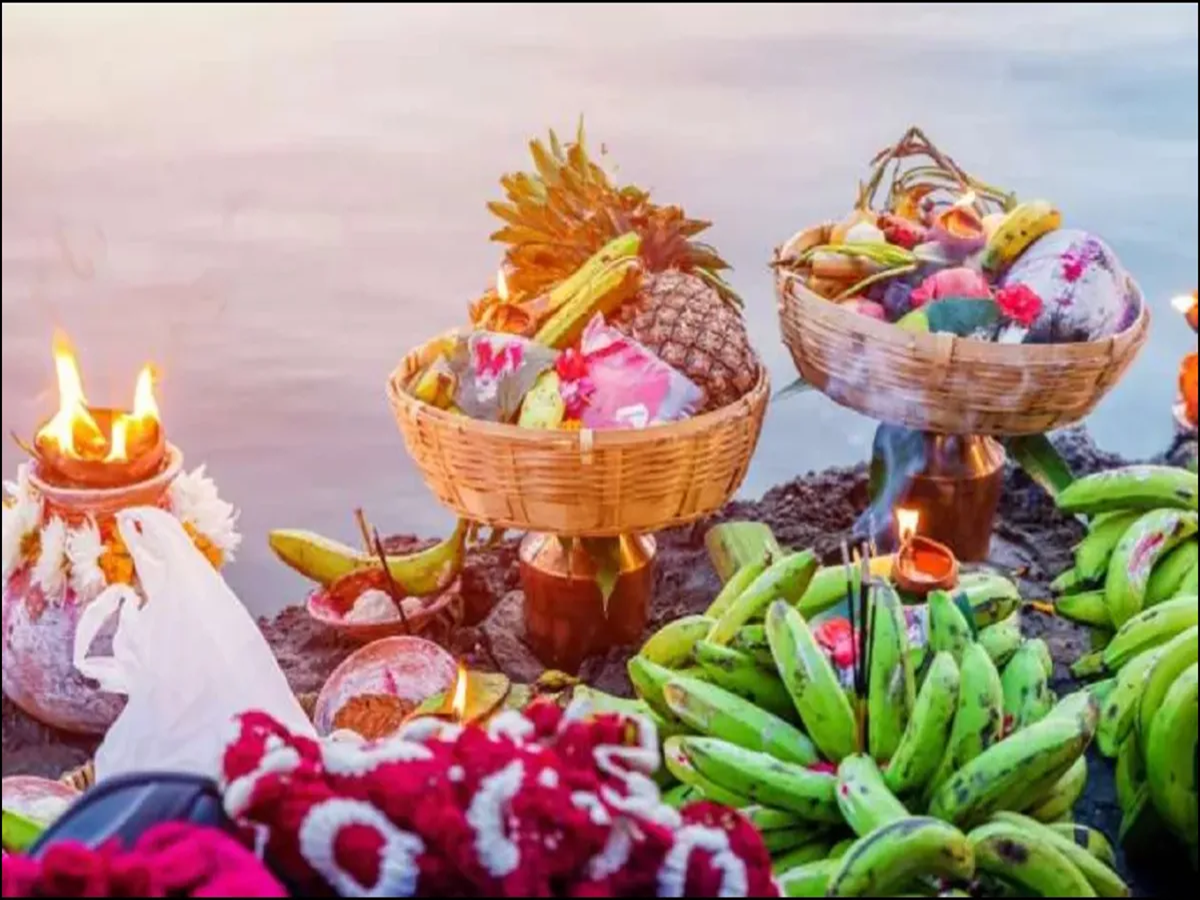
Offering *arghya* to the Sun God is one of the most significant traditions of the Chhath festival. According to religious belief, worshipping the Sun God brings blessings of good health, happiness, and prosperity. Meanwhile, the worship of Chhathi Maiya is performed with prayers for the long life of one’s children, the prosperity of the family, and a happy life. During this festival, offering *arghya* to the setting sun serves as an expression of gratitude, while offering it to the rising sun signifies the welcoming of new energy and positivity.
PC Social Media