
LIFESTYLE
Symptoms of Malaria: Running a fever and feeling chills? Could this be malaria? Learn about its symptoms and remedies..
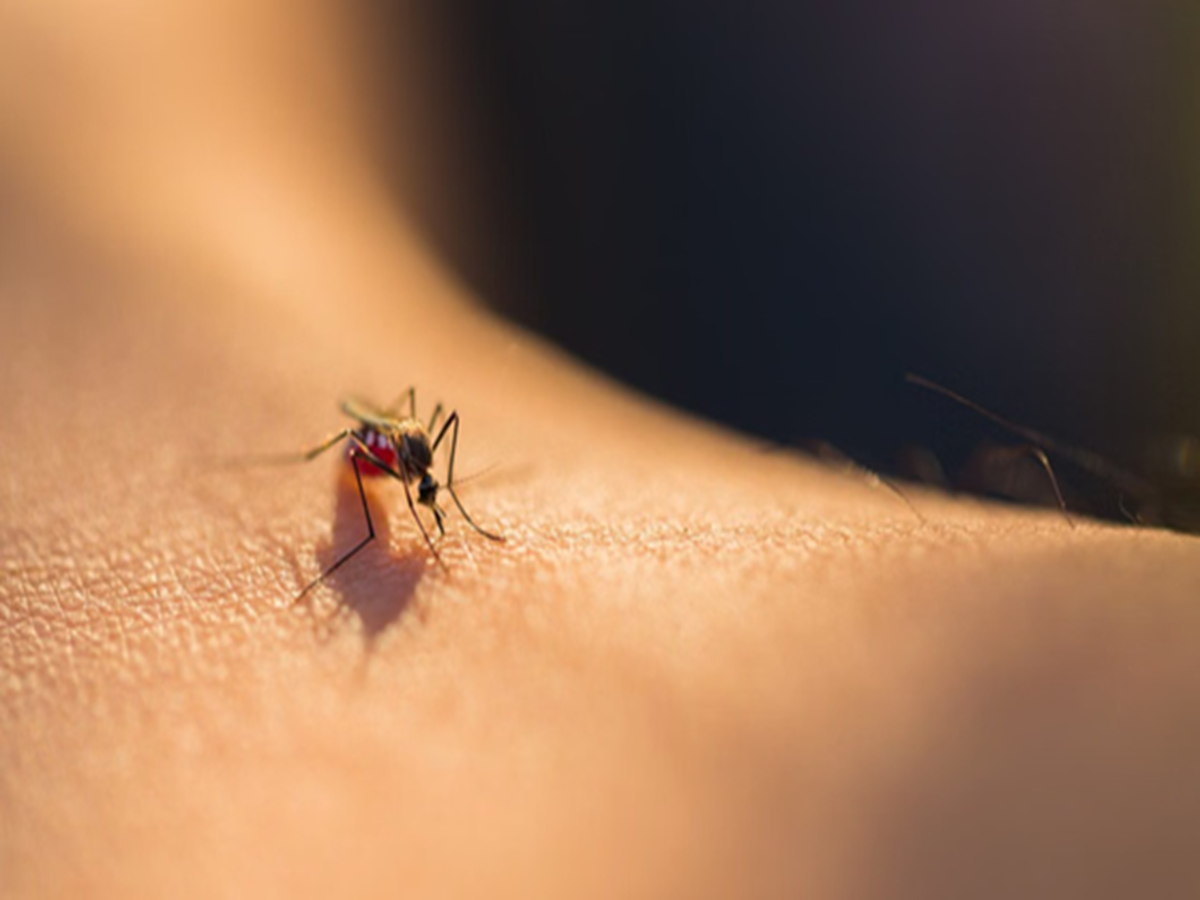
Symptoms of Malaria: With the onset of the summer season, a rapid surge in malaria cases is often observed. This is a mosquito-borne disease that can have a severe impact on a person's health. People are often not fully aware of this condition and tend to take its initial symptoms lightly. During the summer, the disease spreads rapidly due to water stagnation and the consequent breeding of mosquitoes.

This period of summer is particularly critical for children, the elderly, and pregnant women. Therefore, it is extremely important to exercise caution and remain vigilant against malaria during this season. In this article, we will explore in detail what causes malaria, what its symptoms are, and what steps should be taken if one contracts the disease.
What Causes Malaria?
Malaria is a mosquito-borne disease caused by a parasite known as *Plasmodium*. This parasite enters the human body through the bite of an infected mosquito. During the summer and monsoon seasons, water stagnation accelerates mosquito breeding, thereby increasing the risk of malaria transmission. People residing in areas characterized by poor sanitation and waterlogging are at a higher risk.
What Are the Symptoms of Malaria?
The primary symptoms of malaria include fever, chills, headaches, body aches, and general weakness. In some cases, vomiting, abdominal pain, and a loss of appetite may also be observed. In the initial stages, the symptoms may be mild, leading people to frequently overlook them. If left untreated promptly, the disease can take a severe turn and even affect vital organs.
What Can Be Done to Prevent It?
To prevent malaria, one should use mosquito nets, wear clothing that covers the entire body, keep areas prone to water stagnation clean, and use mosquito repellents or sprays. Additionally, it is essential to take preventive medication on time, as advised by a doctor. Children, the elderly, and pregnant women are particularly susceptible to this disease.

What to Do If You Contract Malaria?
If anyone exhibits symptoms of malaria, they should consult a doctor immediately.
Taking the correct medication in a timely manner is absolutely crucial. The patient requires adequate rest and hydration.
Within the home, one should use mosquito nets, prevent water from stagnating, and utilize mosquito screens or sprays.
Malaria can take a severe form in children, the elderly, and pregnant women; therefore, they require special care.
PC Social Media


