
LIFESTYLE
Surya Grahan: The first solar eclipse of the year is on February 17. Know its timing and effects...
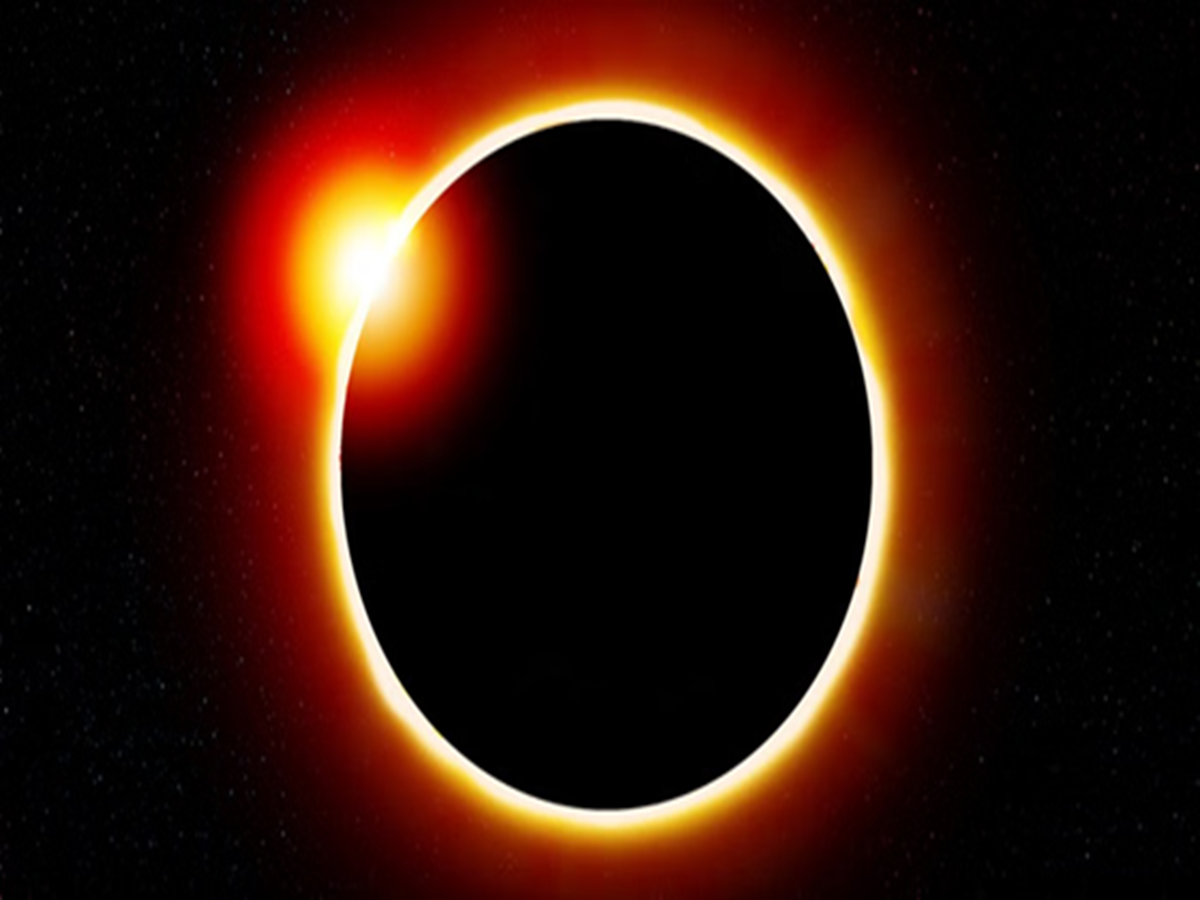
17 February Surya Grahan 2026: A solar eclipse is considered an important event in astronomy. It is said that when the Sun, Moon, and Earth align, and the Moon partially or completely covers the Sun, a solar eclipse occurs. Its effects are felt not only in the world but also in individual lives. Its impact affects people's mental stress and increases negative energies. A solar eclipse is occurring on February 17, 2026. But will this eclipse be visible in India? Let's explore the timing, effects, and significance of the solar eclipse.
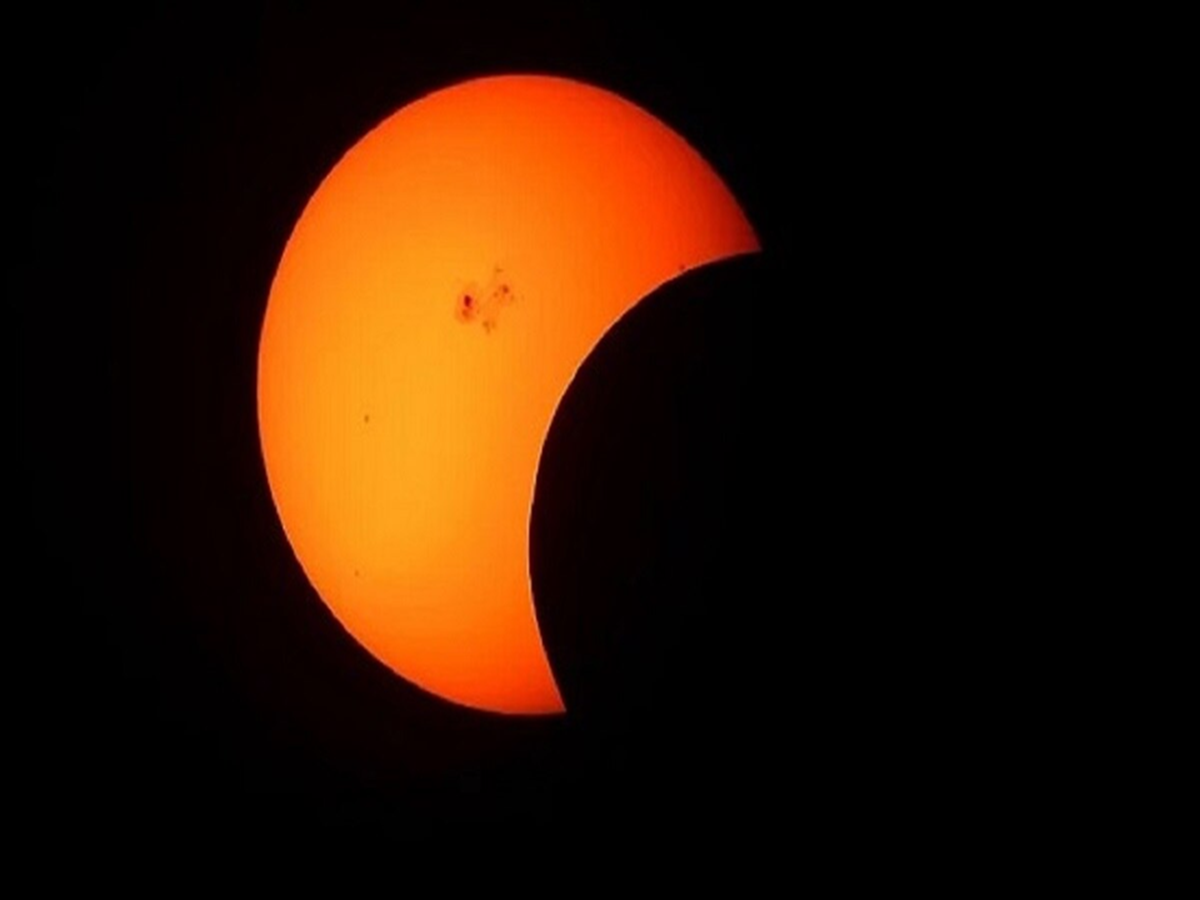
Solar Eclipse 2026 Timing
A solar eclipse is occurring on February 17, 2026. This is the Phalguna Amavasya date of the Hindu calendar. The solar eclipse will begin at 5:26 pm on this day and end at 7:57 pm. However, this eclipse, the first of the year, will not be visible in India.
Shukraditya Rajyoga will brighten the fortunes of these zodiac signs, and the lives of these three zodiac signs will change.
Will the Sutak period be observed?
According to astrologers, the Sutak period begins 12 hours before the solar eclipse. During this period, one should avoid new work, religious rituals, or travel. Wearing new clothes is also strictly prohibited. While this solar eclipse on February 17, 2026, may be astronomically significant, it will not be effective in India, and therefore, its Sutak period will not be observed.
Where will the solar eclipse be visible?
The solar eclipse will not be visible in India. But it can be seen in Argentina, Botswana, the British Indian Ocean Territory, Chile, Comoros, Eswatini (Swaziland), the French Southern Territories, Lesotho, Madagascar, Malawi, Mauritius, Mayotte, Mozambique, Namibia, the Réunion Islands, South Africa, South Georgia/Sandwich Islands, Tanzania, Zambia, and Zimbabwe, including Antarctica.
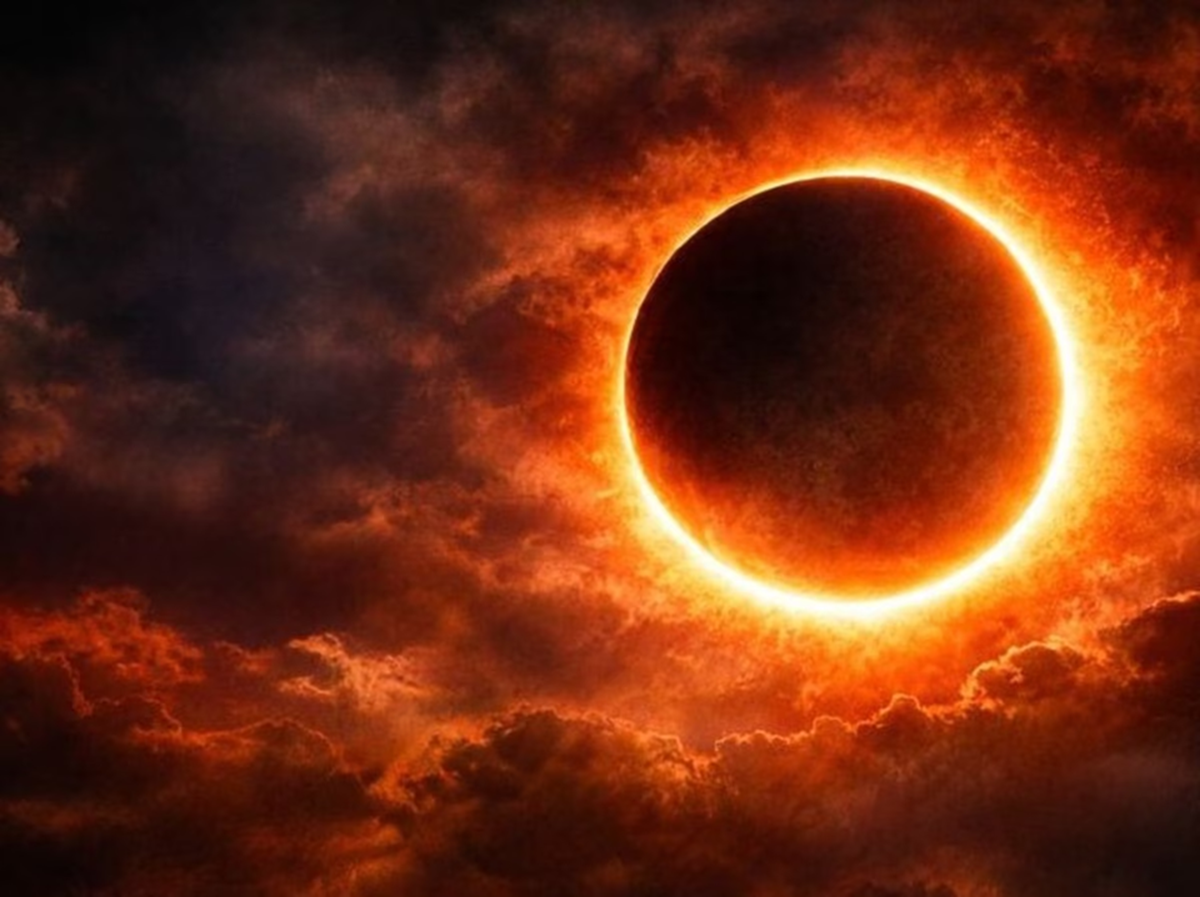
What will the solar eclipse be like?
According to astronomers, an annular solar eclipse is scheduled to occur on February 17, 2026. This is known as the Ring of Fire. It is believed that an annular eclipse occurs when the Moon is unable to completely cover the Sun, causing the Sun's outer portion to shine like a ring of fire.
PC Social Media