LIFESTYLE
Surya Grahan 2026: Solar eclipse today, amazing sight of ring of fire will be seen, know timing, Sutak period, remedies..
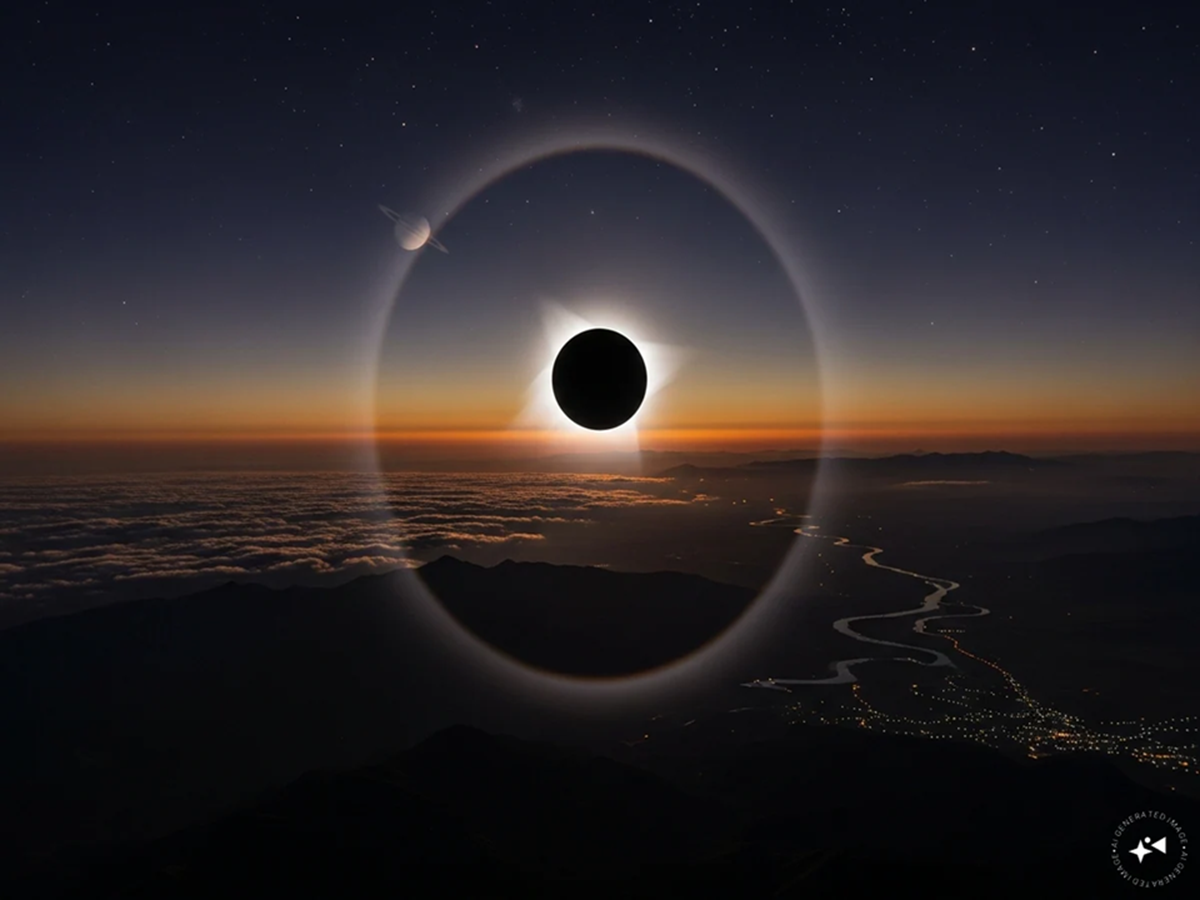
Surya Grahan 2026: The first solar eclipse of the year is scheduled to occur today, Tuesday, February 17th. According to the calendar, this annular solar eclipse will occur on Falgun Amavasya (the new moon day) in the zodiac sign of Saturn, Aquarius. The Moon will not completely cover the Sun, creating the spectacular sight of a ring of fire. This solar eclipse will last for more than four hours. A period of Sutak (sun-like state) begins 12 hours before the eclipse begins and continues until the eclipse ends. No auspicious work is performed during the Sutak period, and even the doors of temples are closed. Pregnant women must exercise special caution during the Sutak period.
Otherwise, there is a risk of the solar eclipse's inauspicious effects on the unborn child. Religious belief holds that Rahu and Ketu cause solar and lunar eclipses. Today's solar eclipse will begin at 3:26 pm and end at 7:57 pm.
The Sutak period is not valid, so can auspicious activities be performed during a solar eclipse?
According to religious beliefs, when the Sutak period is in effect, all auspicious rituals, including puja, recitation, marriage, house warming, mundan (head shaving ceremony), and upanayana (the ritual of worship) are not performed on the day of the solar eclipse. However, since the Sutak period is not valid for today's solar eclipse, you can perform auspicious activities; there is no restriction on it. However, it is generally believed that auspicious activities should not be performed on the day of the eclipse.
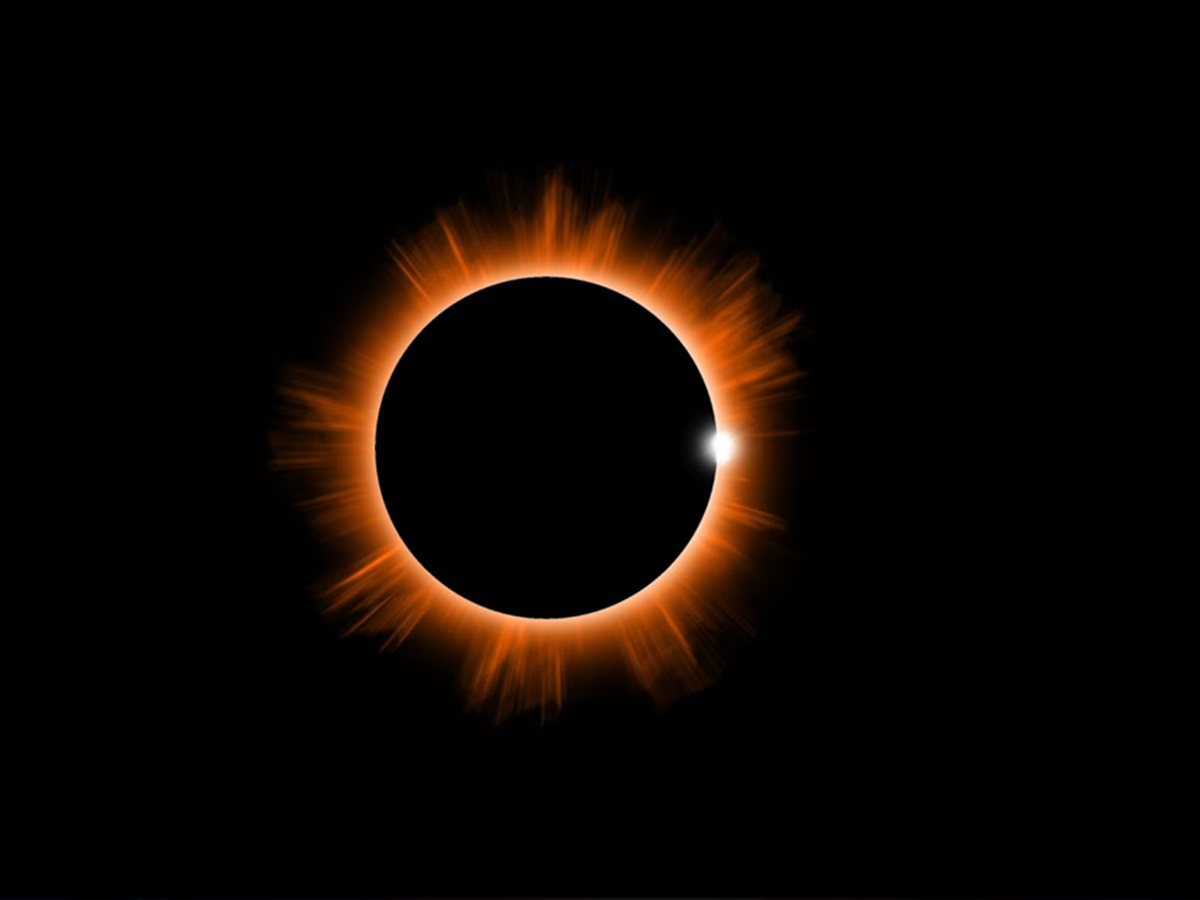
A ring of fire will form during the solar eclipse.
A spectacular sight of the "Ring of Fire" will be visible today when the solar eclipse is at its peak. The ring of fire will be visible at 5:42 pm. The "Ring of Fire" will not be visible in India. It will be visible in remote areas around the continent of Antarctica and the Southern Ocean. Today's solar eclipse will not be visible at all from Europe, most parts of North America, central and northern Africa, Sri Lanka, Nepal, Afghanistan, Myanmar, other Asian countries, and Australia.
Where will the first solar eclipse of the year be visible?
Today's solar eclipse will not be visible in India. This solar eclipse will be visible primarily in South Africa, Antarctica, Zambia, Zimbabwe, Mauritius, Tanzania, and parts of South America. A partial solar eclipse will be visible in the South Atlantic Ocean, South Pacific Ocean, and other parts of Antarctica.
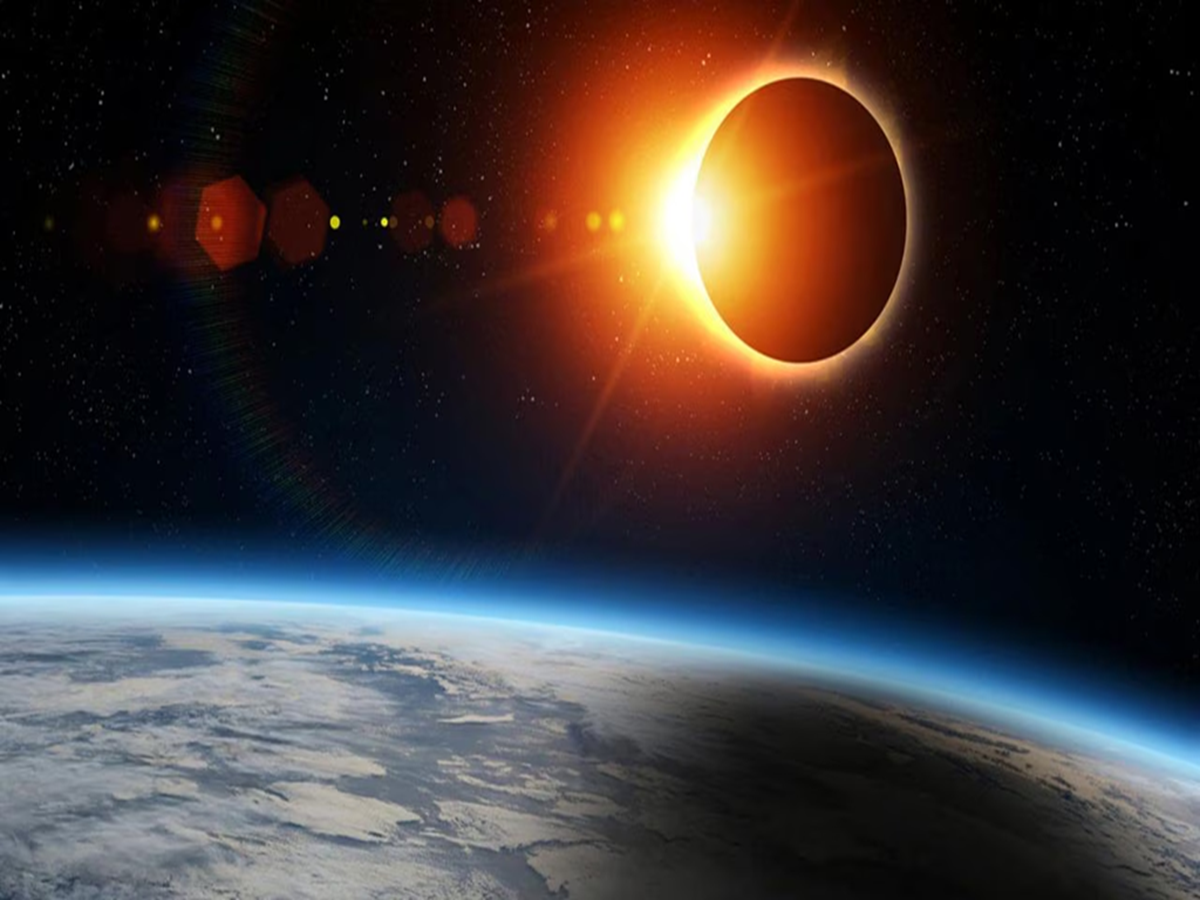
A total solar eclipse occurs when the Moon comes between the Sun and Earth.
According to astronomy, a solar eclipse occurs when the Moon comes between the Sun and Earth, preventing the Sun's rays from reaching the Earth. A total solar eclipse occurs when the Moon cannot completely cover the Sun, and light emanates from the Sun's edges, while the center is obscured by the Moon, creating the spectacular sight of a "ring of fire." This is called an annular solar eclipse.
The Sutak period for today's solar eclipse is not valid.
The Sutak period for a solar eclipse begins 12 hours before the eclipse begins. Based on this, the Sutak period should have begun at 3:26 AM today. However, this time, the Sutak period for the solar eclipse has not been imposed because it will not be visible in India. Since it will not be visible in India, today is exempt from the Sutak period. Due to religious beliefs, the Sutak period is considered inauspicious, and therefore, no auspicious work is performed during this period. The Sun God is the embodiment of the Kaliyuga; when he is eclipsed, how can any auspicious work be done?
Today's solar eclipse will begin at 3:26 PM Indian Standard Time. It will reach its peak at 5:42 PM today. Its end, or end, will be at 7:57 PM. The total duration of today's solar eclipse is 4 hours and 31 minutes.
PC Social Media