
LIFESTYLE
Summer Problems: Do Not Ignore Your Body's Signals During the Heat—Learn the Difference Between Heat Exhaustion and Heatstroke..
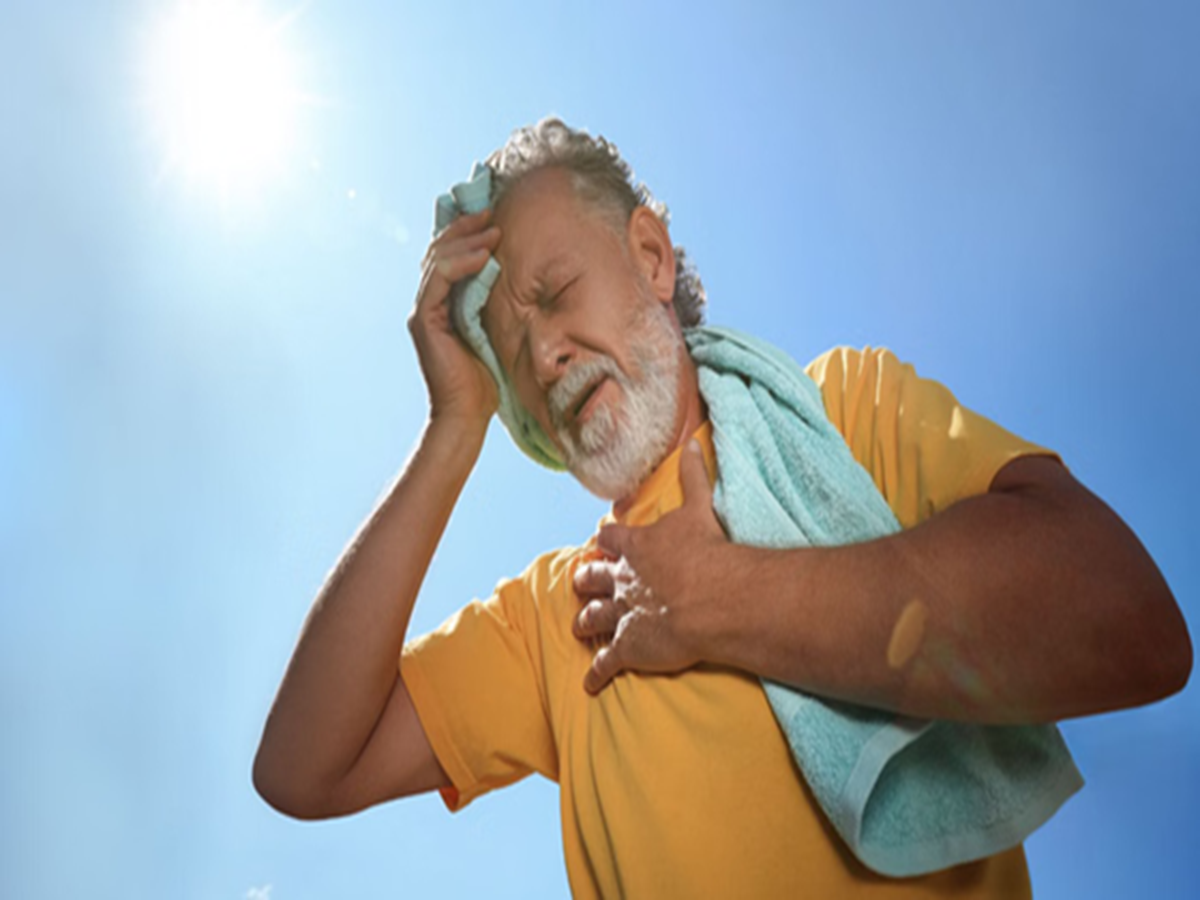
The country is currently in the grip of intense heat. Mercury levels are hovering around the 40-degree mark. Doctors warn that even the slightest negligence amidst this rising heat can prove to be extremely costly. During the summer months, two health conditions are frequently discussed: heat exhaustion and heat stroke.

The escalating heat observed as early as April serves as a warning for the months ahead—May and June. Health experts caution that this could exacerbate various difficulties for individuals already suffering from chronic illnesses. Spending prolonged periods outdoors in the sun significantly increases the risk of suffering from heat-related ailments.
Have you, too, been mistaking heat exhaustion and heat stroke for the same condition? These are, in fact, two distinct medical states. Let us explore them in greater detail below.
**The Body's Self-Cooling Mechanism**
Health experts explain that our body's physiological mechanism is designed to constantly work toward protecting itself from heat. When temperatures rise, the body cools itself down by increasing sweat production. However, when heat and humidity levels become excessively high, this system begins to fail. In such instances, heat exhaustion typically occurs first.
Health experts regard heat exhaustion as a warning signal. If this condition is ignored, it can progress into heat stroke—a condition considered potentially life-threatening. Let us understand the differences between these two conditions.
**First, Learn About Heat Exhaustion**
Medical reports indicate that heat exhaustion occurs when the body loses excessive amounts of water and salts through sweating.
Consequently, the body begins to weaken, and its ability to regulate its internal temperature becomes compromised.
While this is an early- stage heat-related condition, ignoring it can be dangerous.
Symptoms such as excessive sweating, weakness, dizziness, headaches, muscle cramps, and nausea may serve as indicators of heat exhaustion.
In some instances, the individual may also experience a sensation of faintness or lightheadedness. This condition typically occurs due to prolonged exposure to sunlight or a lack of adequate water intake.
Now, let's learn about heatstroke.
Much like heat exhaustion, heatstroke is a heat-related condition; however, it is severe and can be life-threatening.
Heatstroke occurs when the body's ability to regulate its temperature fails, causing the body temperature to rise to 40 degrees Celsius or higher.
In cases of heatstroke, sweating ceases, and the skin becomes dry and hot.
Symptoms such as high fever, confusion, rapid heartbeat, difficulty breathing, and loss of consciousness may also manifest.
This constitutes a medical emergency; if immediate treatment is not provided, the condition can become critical.
What is the difference between heat exhaustion and heatstroke?
The primary difference between heat exhaustion and heatstroke lies in their severity and the body's temperature.
Heat exhaustion is generally regarded as a warning sign, whereas heatstroke is an emergency. In heat exhaustion, the body continues to sweat, whereas in heatstroke, sweating may cease. To prevent both of these conditions, keeping the body hydrated—by consuming adequate water and electrolyte-rich fluids throughout the day—is of utmost importance.
PC Social Media