LIFESTYLE
Solar New Year: The New Year begins as the Sun enters the sign of Aries; the New Year will be celebrated in these states.
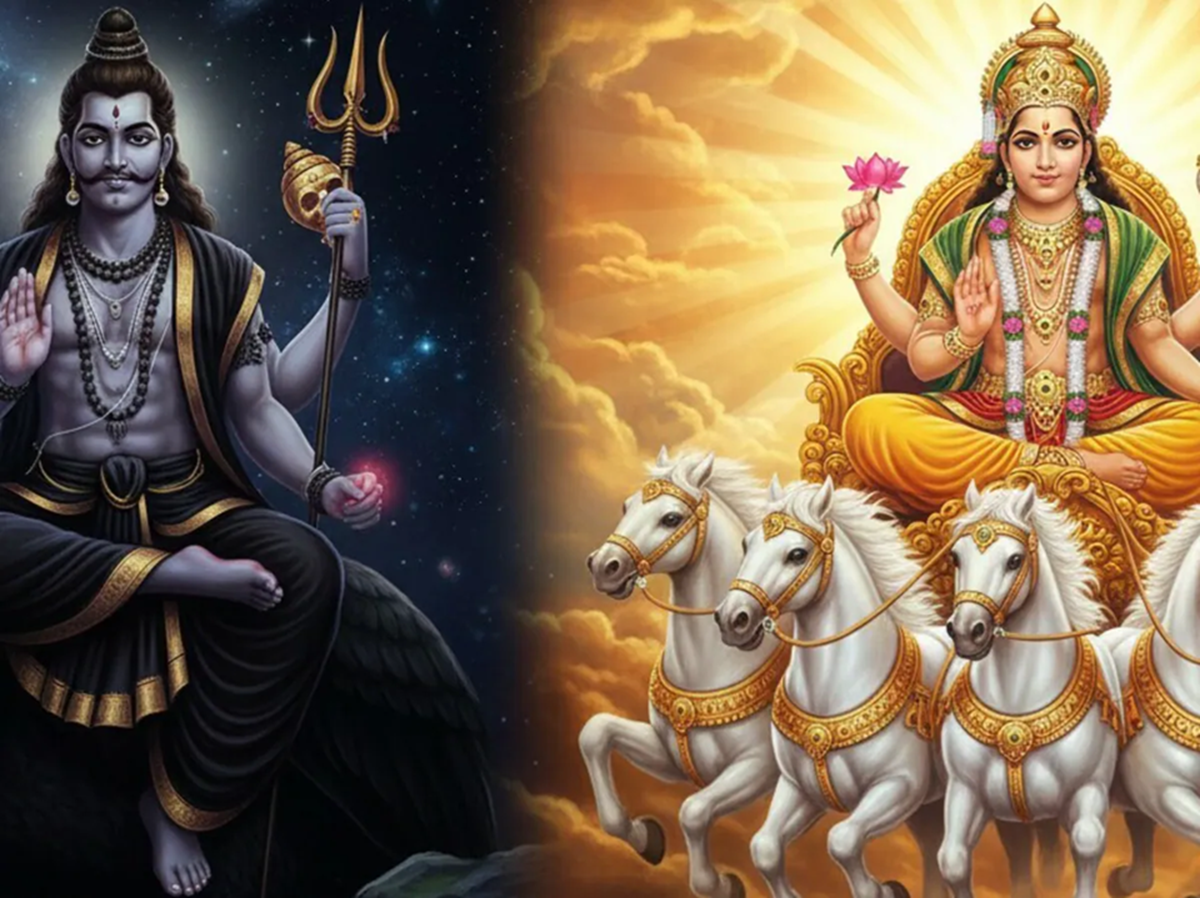
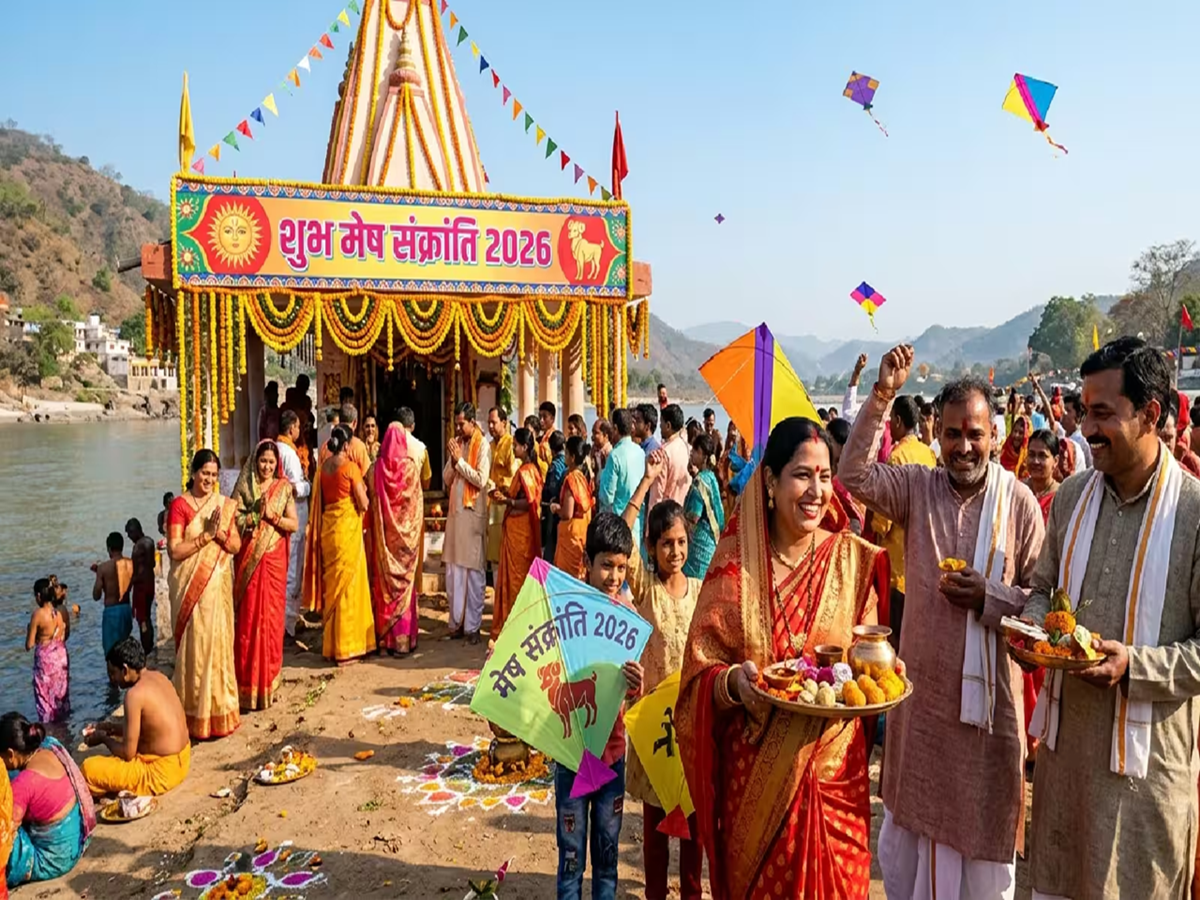
Solar New Year: The Hindu calendar is primarily based on two systems—Solar and Luni-Solar. In the Solar calendar system, the New Year is celebrated based on the position of the Sun; in most states, this begins with *Mesha Sankranti*. Conversely, according to the Lunar calendar, the New Year commences on the *Pratipada* (first day) of the *Shukla Paksha* (waxing phase of the moon) in the month of *Chaitra*. Let us explore in detail the calendars of those states that celebrate the New Year based on *Mesha Sankranti*. *Mesha Sankranti* is regarded as the symbol of the Indian Solar New Year. On this day, the Sun transitions from the zodiac sign of Pisces (*Meena*) and enters the sign of Aries (*Mesha*). In the year 2026, *Mesha Sankranti* will be celebrated on April 14th. Across various states of India, the New Year begins under different names to mark this occasion.
Primarily, two calendars are prevalent in India: 1. The *Saka Samvat* and 2. The *Vikram Samvat*. Based on these two calendars, the commencement of the New Year occurs at different times in different states.
Solar Year Festivals: *Baisakhi*, *Vishu*, *Puthandu*, *Pana Sankranti*, *Bohag Bihu*, *Bikhooti*, etc.
Lunar Year Festivals: *Gudi Padwa*, *Chaitra Pratipada*, *Yugadi* (*Ugadi*), *Navasamvatsar*, *Cheti Chand*, etc.
Saka Samvat:
This calendar is more prevalent in South India. It begins in the month of *Chaitra* (on March 21st or 22nd). Although it incorporates a blend of both lunar and solar elements, its structure is primarily based on solar movements. Its days are fixed (the month of *Chaitra* consists of 30 or 31 days). It commences on March 22nd (or March 21st in a leap year), coinciding with the Vernal Equinox.
Vikram Samvat:
This calendar is more prevalent in North India. It begins on the first day of *Chaitra Navratri* (typically between March and April). It incorporates a blend of both lunar and solar elements, though its structure is primarily based on lunar cycles. Its months are determined by the phases of the moon; to align them with the solar year, an intercalary month (known as *Adhimas* or *Malmas*) is added every three years.
Vaisakhi is also celebrated as the Sikh New Year, based on the Hindu solar calendar.
**Details by State**
**Punjab and Haryana:**
Here, the first day of the New Year is known as Vaisakhi. It is an ancient agricultural festival celebrated by all communities across the Punjab region. Vaisakhi is also observed as the Sikh New Year, following the Hindu solar calendar. This day holds immense sanctity in the Sikh faith, as it marks the occasion in 1699 when the tenth Guru, Guru Gobind Singh Ji, established the 'Khalsa Panth.' On this day, the Sun enters the zodiac sign of Aries, an event referred to as 'Mesha Sankranti.'
**West Bengal:**
Here, the New Year is called *Poila Baisakh* (or *Naba Barsha*). It commences on the first day of the Bengali calendar—specifically, on Mesha Sankranti. Currently, the Bengali year 1433 is about to begin. It is believed that the foundations of this calendar were laid in the 7th century by King Shashanka. The names of its months—such as *Baisakh*, *Jyeshtha*, etc. (as pronounced in Bengali)—correspond to the traditional names.
**Tamil Nadu:**
In Tamil Nadu, the New Year is known as *Puthandu*. It is celebrated on the first day of the month of *Chithirai* (typically in mid-April). The Tamil calendar is based on solar calculations. Currently, the Tamil *Samvat* (era) 1948 is in progress. The names of its months (such as *Chithirai* and *Vaikasi*) differ from those used in North India.
**Kerala:**
In Kerala, the New Year is referred to as *Vishu*. *Kollavarsham* is Kerala's traditional solar calendar, also known as the 'Malayalam Calendar.' It originated in 825 CE. The year 2026 will mark the 1202nd year of the Kollavarsham calendar. Although Kerala's official (administrative) New Year begins with 'Chingam' (August–September), the solar New Year is traditionally considered to commence with *Mesha Sankranti* (Vishu).
**Odisha:**
In Odisha, the New Year is known as *Pana Sankranti* or *Maha Vishuva Sankranti*. Its timing depends entirely on the position of the Sun. Currently, the Odia Samvat 1433–34 is in progress here. This day is celebrated when the Sun is positioned directly over the Equator. The names of its months—such as *Baishakh*, *Jyeshtha*, etc.—are the same as those found in other calendars.
**Assam:**
Here, the New Year is called *Bohag Bihu*. The Assamese calendar (*Bhaskarābda*) is based entirely on solar calculations. It begins with *Mesha Sankranti*. The names of its months (*Bohag*, *Jeth*, *Ahar*, etc.) are linguistic derivatives (*apabhramsha*) of their Sanskrit counterparts.
In Mithila, this festival is known as *Jur Sheetal*.
**Uttarakhand:**
In Uttarakhand, this festival is referred to as *Bikhoti*. The traditional almanac (*Panchang*) here is based on solar calculations, and the months are determined by the Sun's entry into various zodiac signs (*Sankranti*).

**Mithila (Bihar):**
In Mithila, this festival is known as *Jur Sheetal*. The word *'Jur'* means 'cold' (or cool), and *'Sheetal'* means 'peace' (or tranquility). On this day, elders sprinkle water that has been kept overnight (*basi jal*) onto the heads of children to bestow their blessings. There is also a tradition of replacing the *'Hanumat Dhwaj'* (the flag of Lord Hanuman) on this very day.
PC Social Media