
LIFESTYLE
Signs of Kidney Damage: Kidneys Silently Deteriorating—Swelling in These 4 Parts of the Body Is a Red Flag..

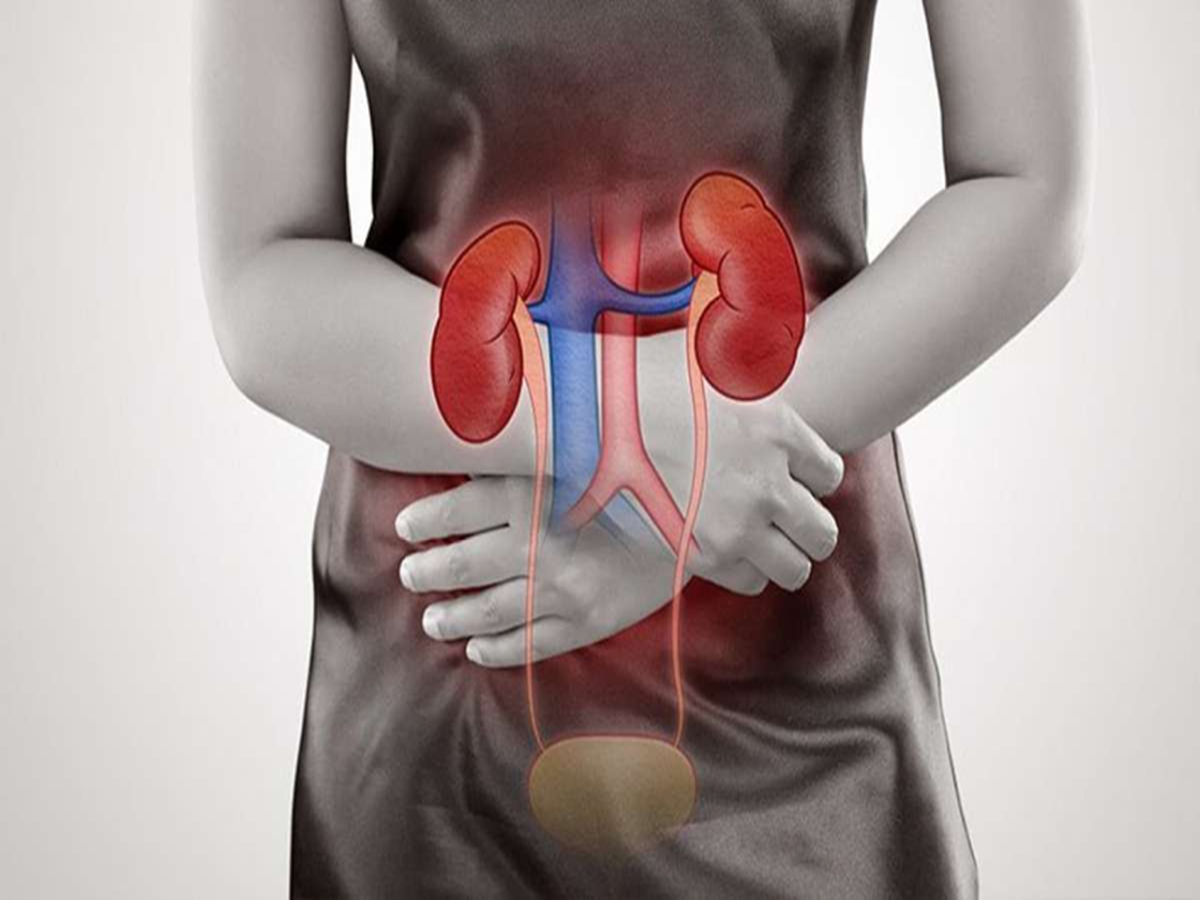
Swelling in the body is often overlooked and dismissed as a very normal occurrence. People frequently assume it is merely a minor issue. However, if swelling persists in certain parts of the body, it could be a sign of a serious underlying health condition. One significant cause of such swelling is Chronic Kidney Disease. When the kidneys fail to function properly, the body is unable to eliminate excess fluids and waste products, leading to the appearance of swelling. In medical terminology, this condition is known as edema. This swelling typically develops gradually.

Furthermore, in cases of kidney disease, essential proteins begin to leak out of the body through urine. A deficiency of protein in the bloodstream can also exacerbate swelling. Therefore, it is crucial to distinguish between normal swelling and swelling that signals potential kidney damage. If you notice swelling in any of the following four parts of the body, you should consult a doctor immediately.
Read More: Typhoid Fever and Digestion: Learn Ayurvedic Remedies to Alleviate Severe Symptoms
In Which Body Parts Does Swelling Appear in Cases of Kidney Damage?
**Swelling Around the Eyes**
According to the *Indian Journal of Ophthalmology*, swelling or puffiness around the eyes—particularly in the morning—can sometimes be linked to kidney-related issues. When kidney function is impaired and protein leaks into the urine, the body's fluid balance is disrupted, causing fluid to accumulate in soft tissues such as the eyelids. This swelling may persist and does not resolve even after resting.
**Swelling in the Feet and Ankles**
The feet and ankles are the most common sites where swelling manifests in the body. According to WebMD, when kidney function declines, excess fluid tends to accumulate in the lower extremities. This can cause shoes to feel tight, leave indentation marks from socks, and result in increased swelling by the end of the day.
**Swelling in the Hands and Fingers**
Fluid-related issues associated with kidney disease can also affect the hands and fingers. Rings may suddenly begin to feel tight, and the fingers may appear visibly swollen. This swelling may appear more pronounced in the morning or after consuming excessive salt.
**Abdominal Swelling**
In severe cases, fluid may accumulate in the abdomen, causing it to feel bloated or heavy. This condition is known as ascites. It may be associated with severe kidney problems or a disruption in the body's fluid balance.
**Other Signs of Kidney Disease**
In addition to swelling, other symptoms may include fatigue, reduced urine output, foamy urine, nausea, muscle cramps, and persistent itching. High blood pressure and diabetes are major risk factors for kidney disease. Symptoms are often subtle in the early stages; therefore, regular medical check-ups are essential.
**When to See a Doctor**
If swelling occurs frequently, worsens over time, or is accompanied by symptoms such as fatigue, difficulty breathing, or changes in urination, it is crucial to consult a doctor for an evaluation. Doctors can assess kidney function through blood tests, urine tests, and imaging scans. Timely detection and treatment can slow the progression of kidney disease and help prevent complications. Therefore, persistent swelling in the eyes, feet, hands, or abdomen should not be ignored.
PC Social Media