LIFESTYLE
Should you offer modaks to Lord Ganesha on Parivartini Ekadashi? Learn the correct rules regarding rice and flour modaks..
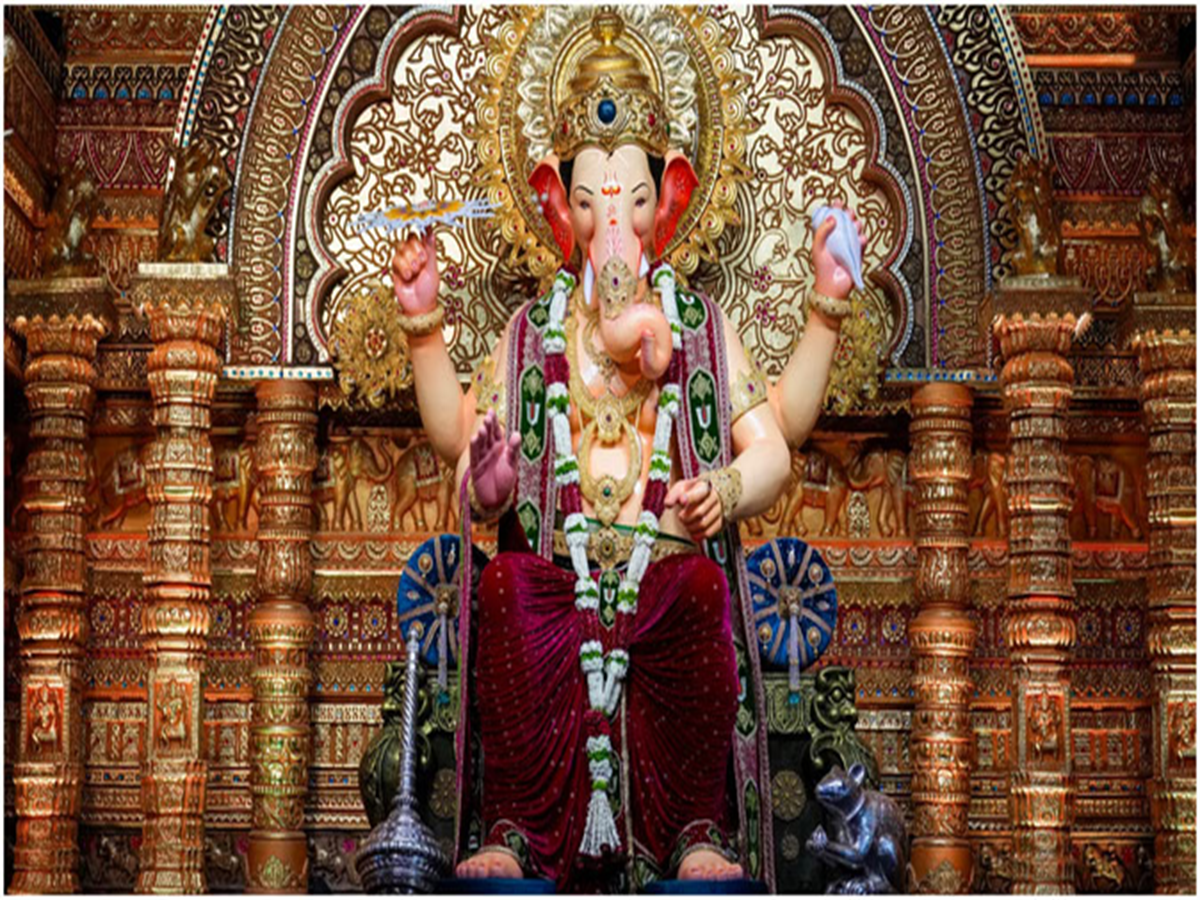
During Ganesh Utsav, it is customary to offer various delicacies to Lord Ganesha (Ganpati Bappa) twice a day—morning and evening. Modaks, laddoos, and other sweets are integral to this worship. However, this year, Parivartini Ekadashi falls on September 22, 2026, right in the middle of the Ganesh festival. This may create a dilemma for households where a family member observes the Ekadashi fast alongside the installation of the Ganesha idol. Generally, consuming foods made from rice, wheat, lentils, and other grains is prohibited on Ekadashi. The question arises: should standard modaks or grain-based sweets be offered to Ganpati Bappa on that day? Let us explore this in detail.
When does Parivartini Ekadashi fall during Ganesh Utsav?
In 2026, Ganesh Chaturthi will be celebrated on September 14, while Anant Chaturdashi and the main day of Ganpati Visarjan (immersion) will be September 25. This means that in homes and pandals where the idol is installed for ten days, Bappa will still be present on September 22. According to the *Panchang* (Hindu almanac), the Parivartini Ekadashi tithi (lunar day) begins around 8:00 PM on September 21 and continues until 9:43 PM on September 22. Based on the *Udaya Tithi* rule (observance based on the sunrise), the Ekadashi fast will be observed on Tuesday, September 22. The fast will be broken (*Parana*) on the morning of September 23. However, slight variations in timing are possible depending on the city and the specific *Panchang* followed.
Can standard modaks be offered to Ganpati on Ekadashi?
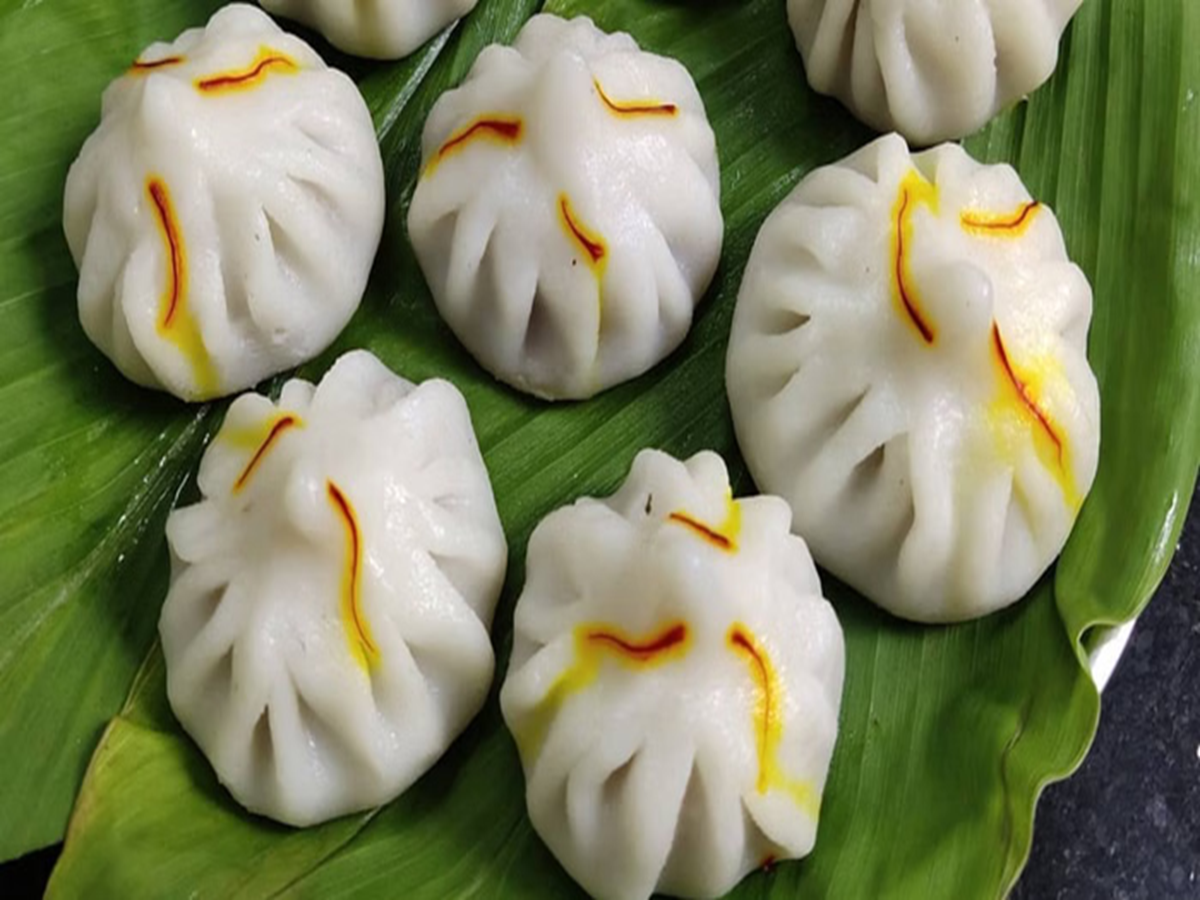
The ingredients for modaks vary depending on the type. The *Ukadiche Modak*, popular in Maharashtra, are primarily made from rice flour. In other regions, modaks are also prepared using wheat flour, refined flour (*maida*), semolina (*sooji*), or gram flour (*besan*). A person observing the Ekadashi fast abstains from consuming foods made from these grains. Therefore, if a family member is observing the Ekadashi fast, it would not be considered appropriate for them to consume such modaks. It is worth noting that the dietary rules associated with Ekadashi primarily apply to the person observing the fast. The type of *Naivedya* (offering) made to Lord Ganesha often depends on family traditions and local customs. In some Vaishnava traditions, cooking grains at home on Ekadashi is avoided, and only *Phalahari* (fast-friendly) offerings are made to the deity. Conversely, some families have their own distinct traditions regarding regular offerings to Ganesha; therefore, a single rule cannot be prescribed for everyone. If the Ekadashi fast is observed strictly in the household, offering *Phalahari Bhog* is the simplest option. If family traditions differ, one may prioritize established family customs (*Kulachar*) or the guidelines provided by a family priest.
What offerings (*Bhog*) can be made to Ganesha on Parivartini Ekadashi?
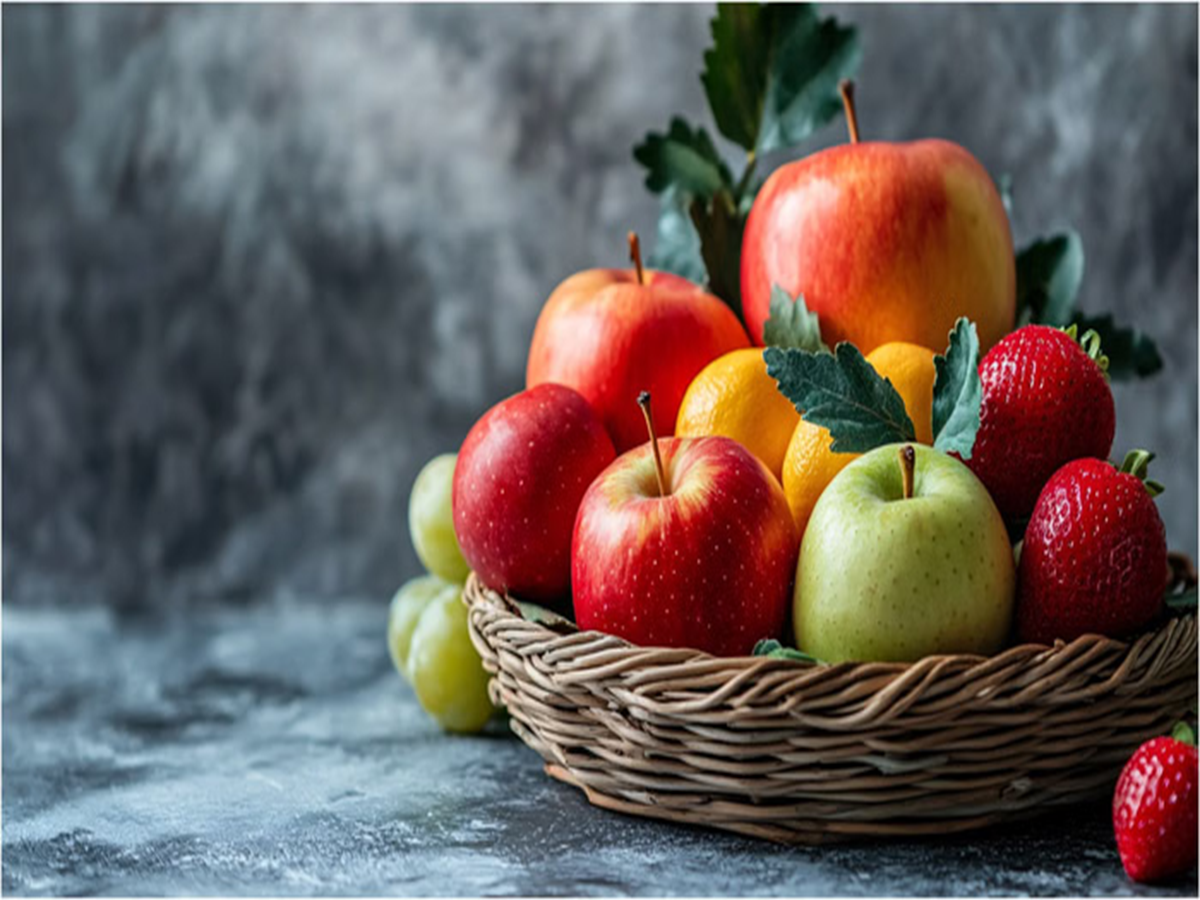
Bananas, apples, guavas, and other seasonal fruits
Coconut
Fox nuts (*Makhana*)
Cashews, almonds, walnuts, and other dry fruits
Milk-based sweets that do not contain grains
*Modaks* prepared using *Mawa* (condensed milk solids), coconut, and dry fruits
*Phalahari* offerings made with rock sugar (*Mishri*) and dry fruits
Grain-free *Modaks* can be prepared using coconut, *Mawa*, and dry fruits
*Modaks* can also be made using sago (*Sabudana*), amaranth flour (*Rajgira*), or water chestnut flour (*Singhara atta*).
What should the fasting person do if a grain-based *Modak* is offered?
Suppose a *Modak* made from rice, wheat, refined flour (*Maida*), semolina (*Sooji*), or gram flour (*Besan*) has been offered to Ganesha. In such a case, the person observing the Ekadashi fast should not consume that *Prasad*. However, this does not mean the *Prasad* should be disrespected; it can be given to family members who are not fasting. If everyone in the household is observing the Ekadashi fast, the grain-based *Prasad* can be safely set aside and consumed after breaking the fast on *Dwadashi* (the following day). However, one should avoid keeping *Modaks* made from milk, *Mawa*, or other perishable ingredients for an extended period. In such a situation, it is more convenient to prepare *Phalahari* (fast-friendly) *Modaks* or other suitable offerings in advance. The most important point is that food items otherwise prohibited during the fast do not automatically become permissible simply because they are *Prasad* (sanctified offering). Once the vow of the fast has been taken, one must adhere to the dietary rules associated with it.
On Ekadashi, should one worship Lord Ganesha first or Lord Vishnu?
The tradition of commencing worship with a prayer to Lord Ganesha (*Ganesh Vandana*) is widely practiced.
Therefore, after completing your morning ablutions, you may begin by invoking and worshipping Lord Ganesha.
Offer *Durva* grass, flowers, fruits, and *Phalahari* offerings to Lord Ganesha.
Subsequently, you may worship Lord Vishnu and take the solemn vow (*Sankalp*) to observe the Ekadashi fast.
It is customary to offer yellow flowers, *Tulsi* (holy basil) leaves, fruits, and *Panchamrit* to Lord Vishnu.
There is a belief that one should avoid plucking *Tulsi* leaves on the day of Ekadashi; hence, it is considered best to gather them a day in advance.
In the evening, the *Aarti* of both Lord Ganesha and Lord Vishnu may be performed.
However, if the order of worship differs according to your family's traditions, it is appropriate to follow those specific customs.
PC Social Media