LIFESTYLE
Sawan Shivratri: Why is water offered to Lord Shiv on Sawan Shivratri? Discover the secret...
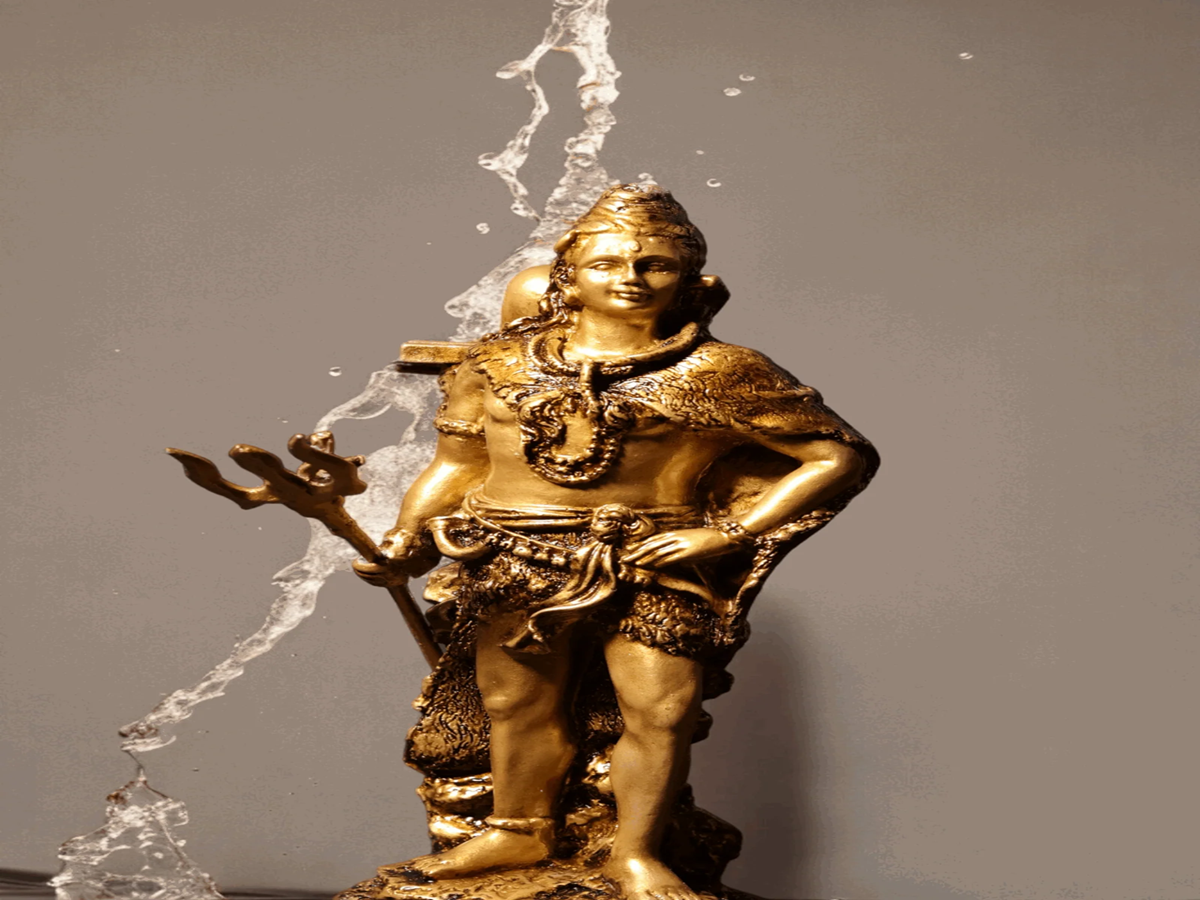
The month of Sawan is considered the most special time for devotion to Lord Shiva. Throughout the month, crowds of devotees throng Shiva temples from early morning, and chants of "Har-Har Mahadev" and "Bol Bam" echo in the air. The day of Sawan Shivratri, in particular, is considered highly auspicious. It is believed that performing *Jalabhishek* (ritual bathing with water) of Lord Shiva, offering *Gangajal* (holy water from the Ganges), and observing a fast on this day fulfills the devotees' wishes. Many people confuse Sawan Shivratri with Mahashivratri, yet both hold distinct significance. Let us explore the religious importance of Sawan Shivratri and the reason behind the tradition of offering water on this day.
**Difference between Mahashivratri and Sawan Shivratri**
Mahant Kameshwaranand Vedantacharya explains that the Shivratri falling in the month of *Phalguna* is known as Mahashivratri. "Maha" signifies the "greatest" or "grandest" Shivratri. It is believed that the *Shivling* of Lord Shiva manifested on this day, and many also commemorate the marriage of Lord Shiva and Goddess Parvati on this occasion. In contrast, the Shivratri that falls in the month of Sawan is simply referred to as Shivratri. While a Shivratri occurs every month, the Shivratri of Sawan holds a unique religious significance.
**Origin of the *Jalabhishek* tradition**
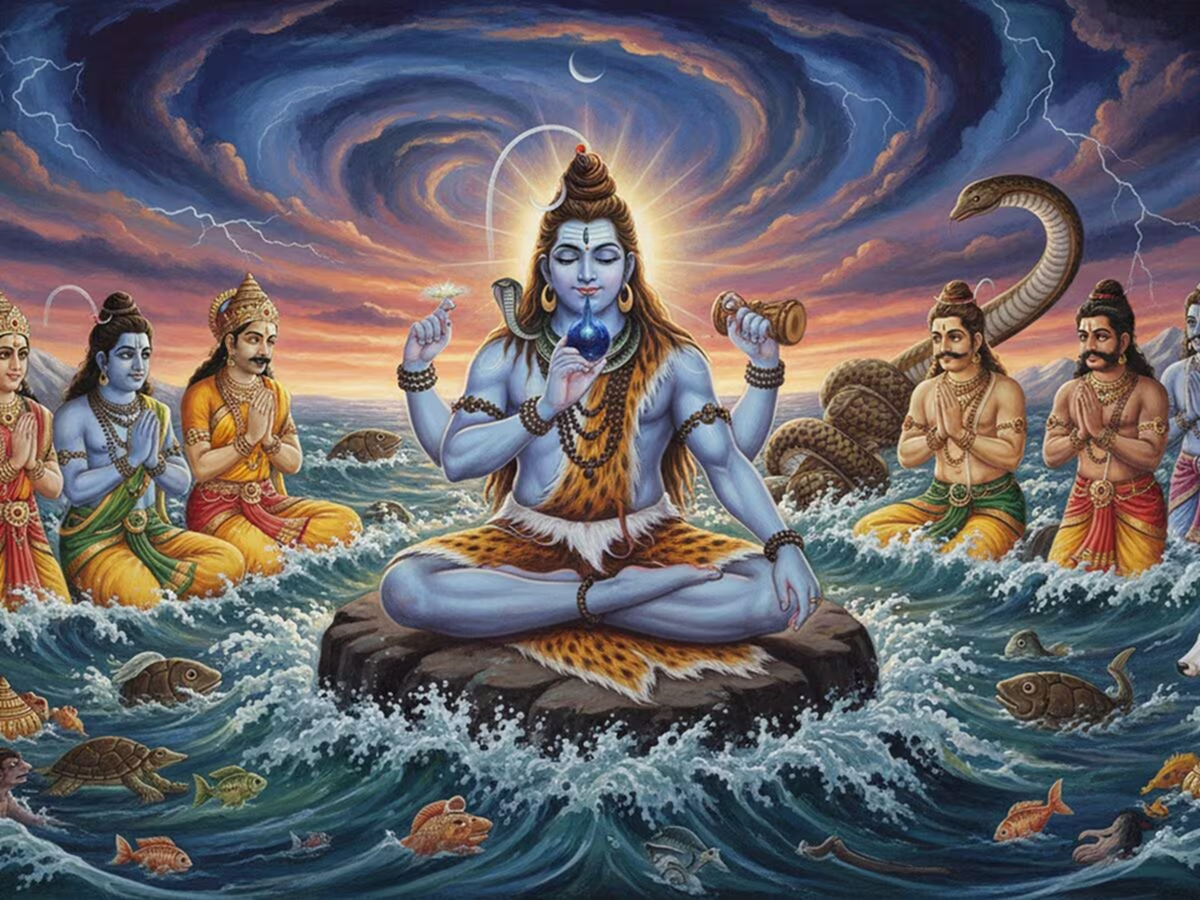
Mahant Kameshwaranand Vedantacharya explains that during the *Samudra Manthan* (Churning of the Ocean), the emergence of poison put the entire universe in peril. Lord Shiva consumed the poison but held it within his throat, earning him the name *Neelkanth* (the Blue-Throated One). Due to the poison's potency, Lord Shiva's body began to heat up. Consequently, the gods, goddesses, and sages brought *Gangajal* and offered it upon Lord Shiva's forehead, cooling his body. Pleased, Lord Shiva granted everyone their desired boons. Since then, the tradition of offering water and performing *Abhishek* with *Gangajal* to Lord Shiva during Sawan has continued.
**Significance of the "Bol Bam" chant**
Mahant Kameshwaranand Vedantacharya explains that the chant "Bol Bam" is also linked to a mythological legend. When Lord Shiva's attendants severed the head of Daksha Prajapati, a goat's head was subsequently attached to his body. Daksha Prajapati wished to seek forgiveness from Lord Shiva, but the only sound that repeatedly escaped his lips was "Bam-Bam." Lord Shiva was pleased by this. Since then, devotees of Lord Shiva have carried *Gangajal* (holy water from the Ganges) while chanting "Bol Bam" and offering the water to the *Shivling* with deep reverence.
**Fasting and Worship Lead to Desired Success**
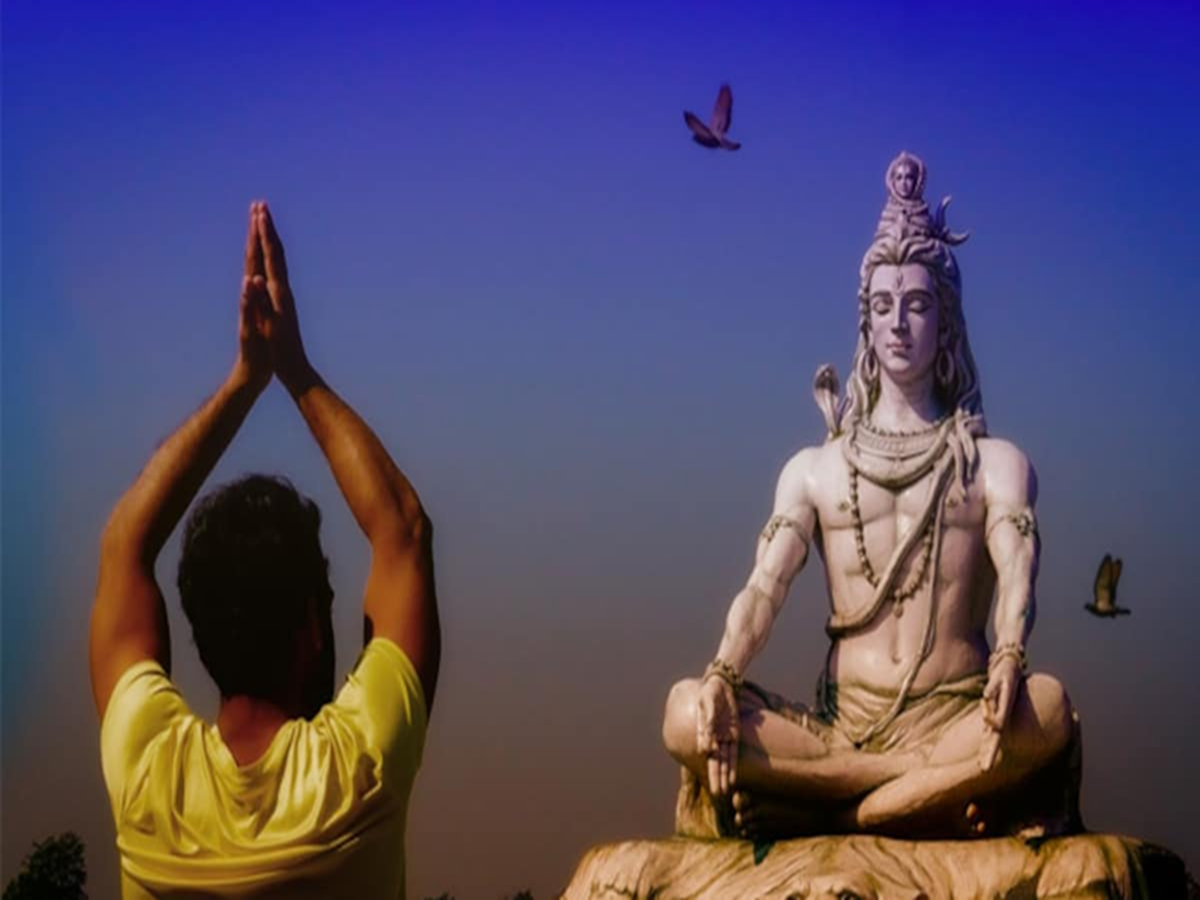
Mahant Kameshwaranand Vedantacharya explains that observing a fast with devotion and adherence to rituals on the day of Sawan Shivratri is considered highly auspicious. On this day, one should perform *Jalabhishek* (ritual bathing with water) of Lord Shiva, offer *Gangajal*, and worship Him with a sincere heart. It is believed that doing so pleases Lord Shiva and fulfills the devotees' wishes. Therefore, on Sawan Shivratri, one should visit a Shiva temple to perform the *Abhishek* of Lord Bholenath and worship Him with unwavering faith.
PC Social Media