
LIFESTYLE
Sawan Jalabhishek Rules: Does performing Jalabhishek at home yield the same benefits as doing so at a temple? Find out..

Sawan Jalabhishek Rules: The month of Sawan, dedicated to the worship of Lord Shiva, begins on July 30, 2026, this year, with the first Monday of Sawan falling on August 3. A massive influx of devotees is expected at Shiva temples across the country on this day. According to religious beliefs, observing the Sawan Monday fast pleases Mahadev and fulfills the devotees' wishes; it also offers relief from the malefic effects of planetary alignments. However, many devotees wonder: if they are unable to visit a temple for some reason, is performing *Jalabhishek* (ritual bathing with water) and worship of the *Shivling* at home considered equally auspicious?
**Mahadev Values Devotion Above All**
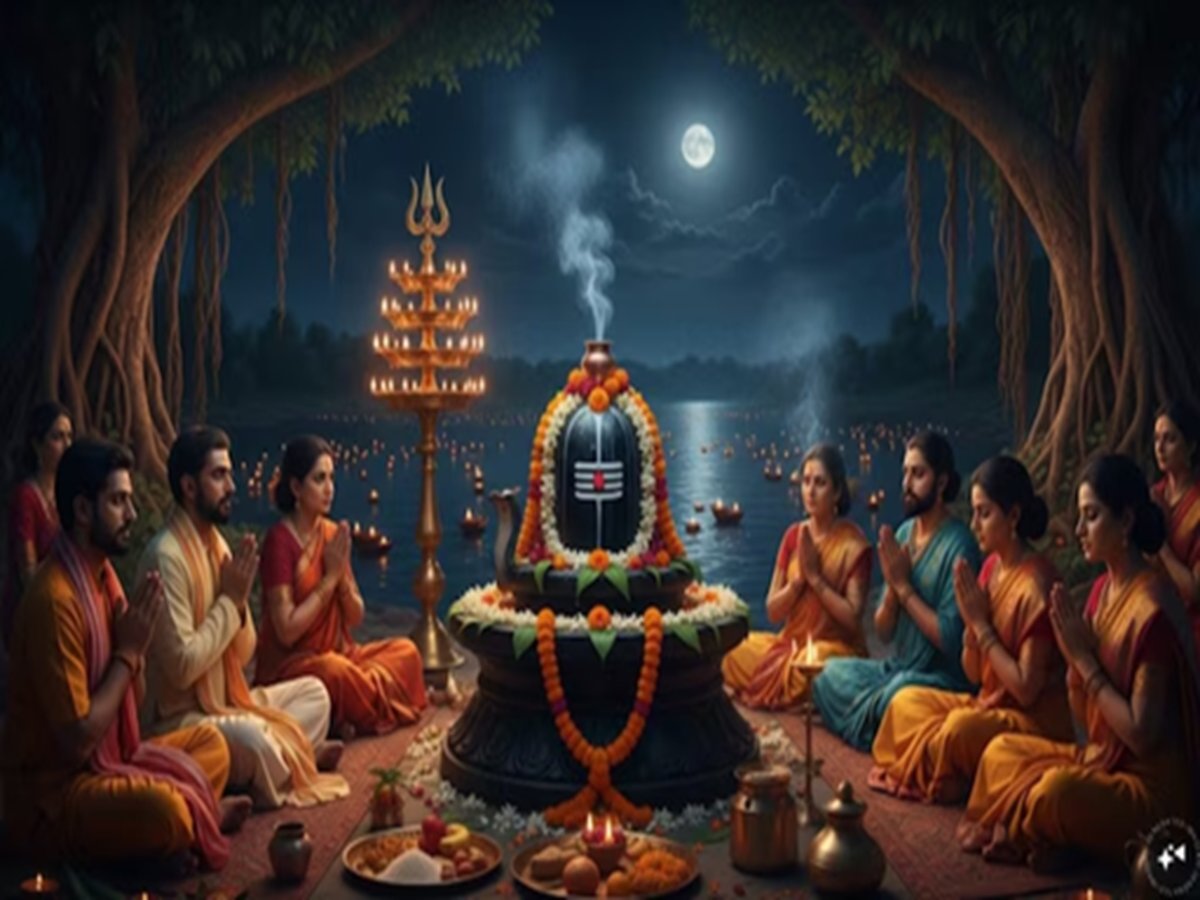
According to astrologers, Lord Shiva seeks only true devotion (*bhava*); among all deities, He is unique in that there is no single prescribed method for His worship. Mahadev can be pleased with just a vessel of water. Scriptures state that the merit of worship performed with sincere faith, a pure mind, and proper rituals depends more on the devotee's devotion than on the location. Therefore, if a devotee cannot reach a Shiva temple, they may perform *Jalabhishek*, chant mantras, and offer prayers before a *Shivling* or an image of Lord Shiva at home; this, too, is considered highly meritorious.
**How to Worship Lord Shiva at Home**
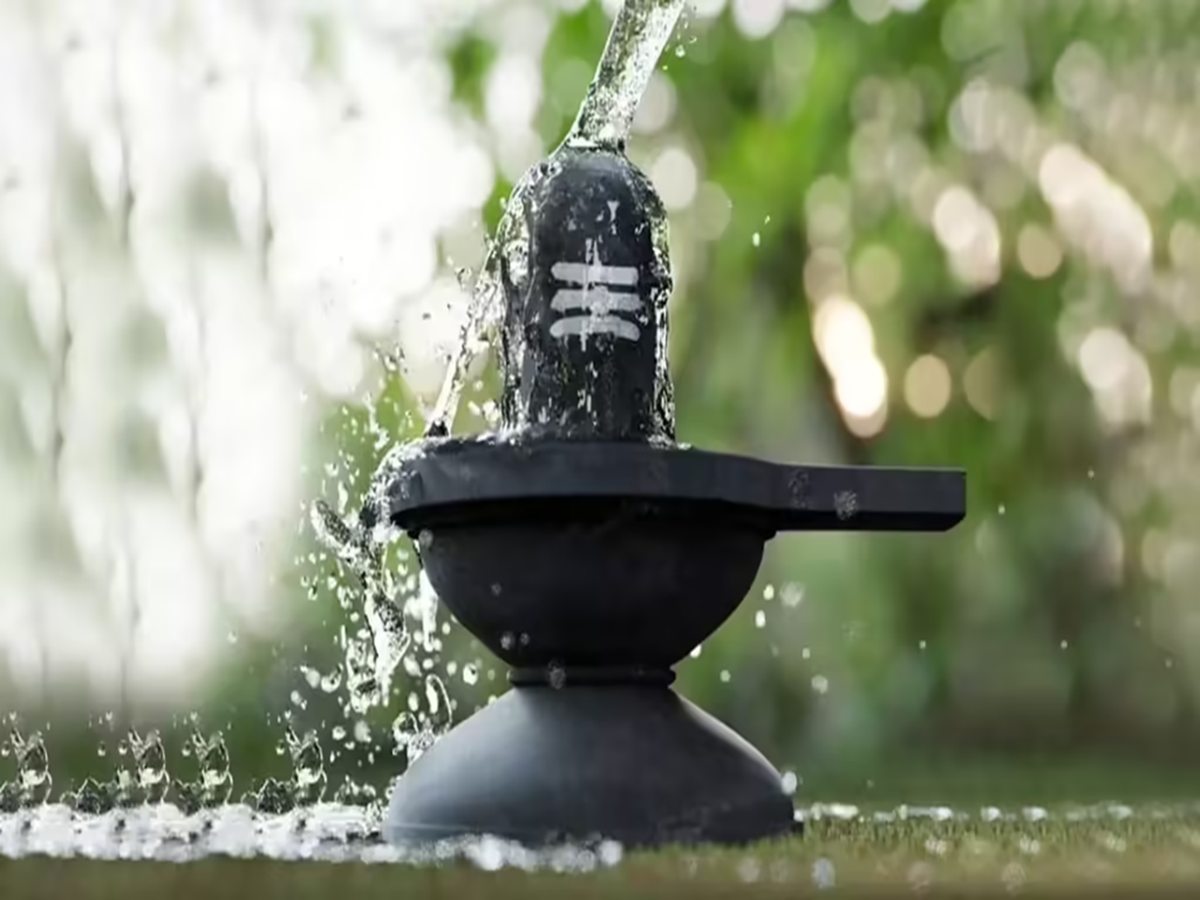
According to astrologers and religious scholars, one should wear clean clothes after a morning bath on the day of Sawan Monday. Next, offer *Gangajal* (water from the Ganges) or pure water to Lord Shiva. Along with *Jalabhishek*, one may also perform *Panchamrit Abhishek* using milk, curd, honey, ghee, and sugar. Subsequently, offer *Belpatra* (wood apple leaves), *Dhatura*, *Aak* flowers, *Bhasma* (sacred ash), white sandalwood paste, *Akshat* (unbroken rice grains), and seasonal fruits. Chanting the "Om Namah Shivaya" mantra and reciting the *Shiv Chalisa* or *Rudrashtakam* during the worship is also considered auspicious.
**Significance of the Sawan Monday Fast**
It is a religious belief that by observing the Sawan Monday fast and performing *Jalabhishek*, Lord Shiva is pleased and fulfills the wishes of His devotees. It is believed that observing these rituals brings blessings such as finding a suitable life partner, peace and happiness in married life, family prosperity, and relief from mental stress. Additionally, the grace of Lord Shiva is said to mitigate the malefic effects of planets.
**Visiting a Shiva Temple for *Abhishek* and *Darshan***
Religious experts state that, if possible, visiting a Shiva temple on a *Sawan* Monday to perform *Abhishek* (ritual bathing of the deity) and seek *Darshan* (viewing the deity) is considered highly meritorious, as the atmosphere is filled with collective worship and the chanting of Vedic mantras. However, if visiting the temple is not feasible due to distance, health issues, crowds, or other reasons, performing *Jal-Abhishek* (ritual bathing with water) at home with devotion and in accordance with prescribed rituals is considered equally pleasing to Lord Shiva. Therefore, on the first *Sawan* Monday—August 3rd—devotees may worship Lord Shiva with full devotion at either a temple or their home, depending on their convenience.
**Special Guidelines**
A *Shivling* installed at home should be approximately the size of a thumb (about 2–3 inches). When performing *Abhishek*, place the *Shivling* facing north and sit facing either the east or the north.
**Sawan Monday Dates (2026)**
In the year 2026, the *Sawan* month will include four Mondays for fasting:
First *Sawan* Monday: August 3
Second *Sawan* Monday: August 10
Third *Sawan* Monday: August 17
Fourth *Sawan* Monday: August 24
PC Social Media