LIFESTYLE
Rudraksha: What is Rudraksha? How did it originate? Learn a simple way to distinguish between real and fake Rudraksha before wearing it.
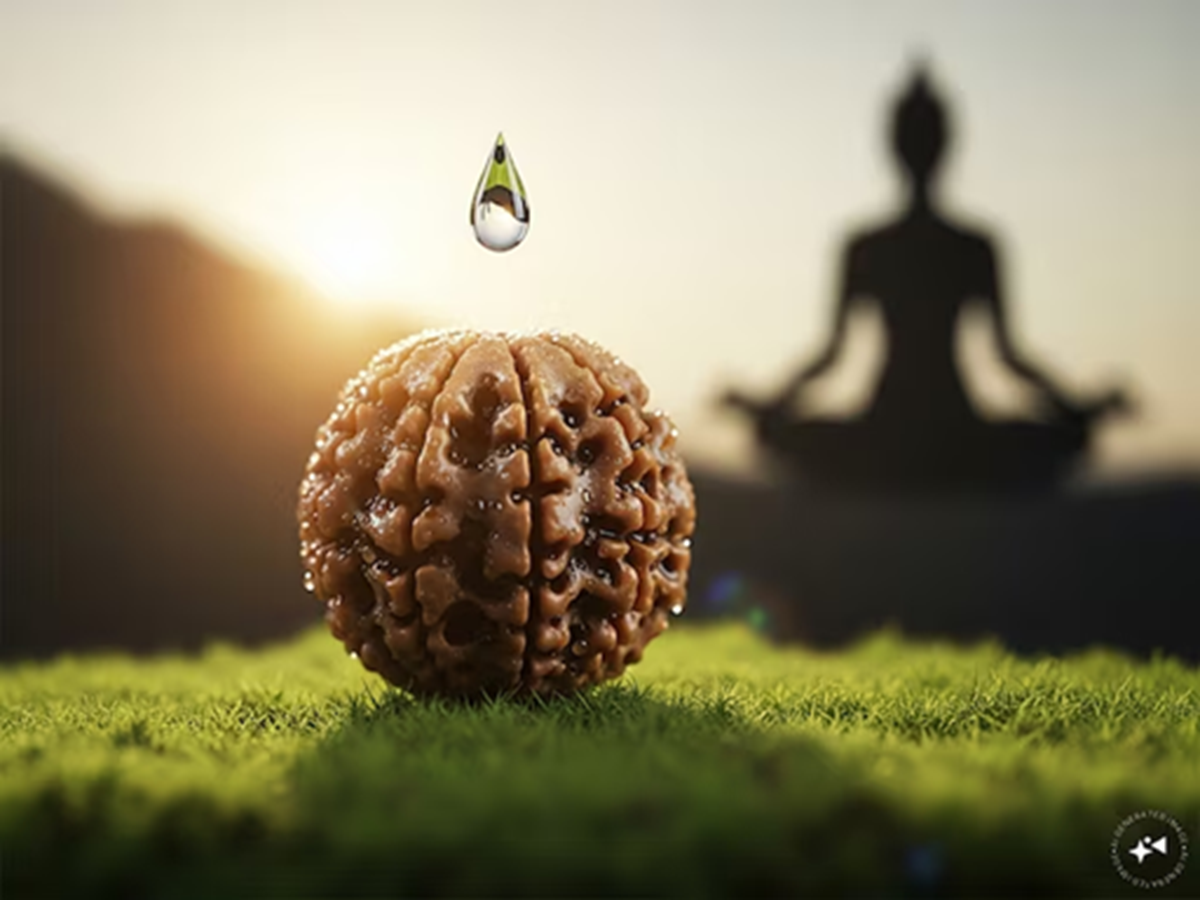
What Is Rudraksha: When a garland of brown beads appears around someone's neck amidst the ringing of temple bells in the morning, one question often arises: what exactly is this Rudraksha, and why is it called Lord Shiva's tears? Many associate it solely with faith, while others consider it a source of energy and peace of mind. Interestingly, the story of Rudraksha is not limited to worship; it encompasses a blend of ancient beliefs, natural truths, and human experiences.
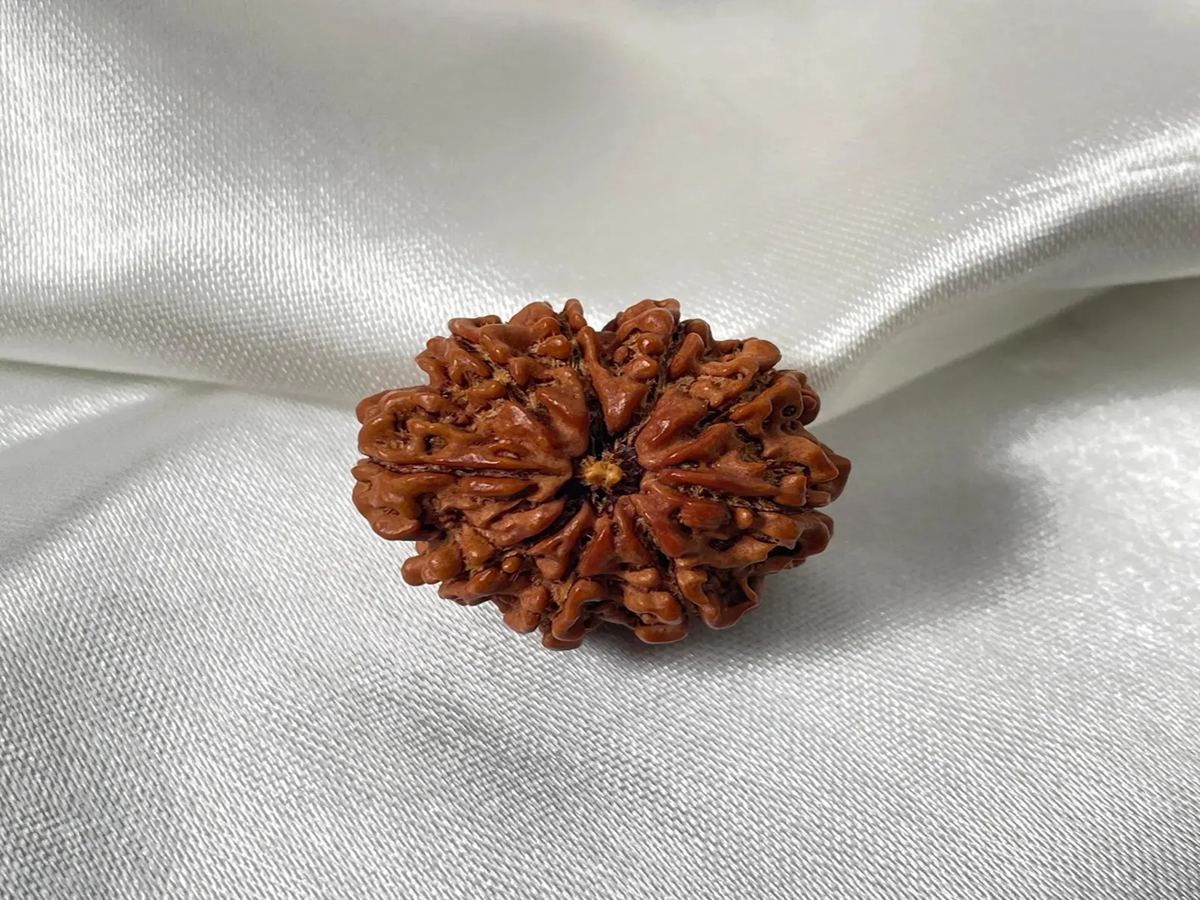
From villages to big cities, from yoga practitioners to office-goers, Rudraksha has become a spiritual symbol today. But its true roots, and where the concept of Shiva's tears originated, are interesting to understand. Bhopal-based astrologer and Vastu consultant Pandit Hitendra Kumar Sharma provides more information on this subject.
What is Rudraksha?
Rudraksha is actually the seed of a tree, found mostly in Nepal, India, and parts of Indonesia. This tree is called Elaeocarpus ganitrus, but it is commonly known as the Rudraksha tree. When its fruit dries, a hard seed emerges from within, with natural ridges or grooves on its surface. These grooves are called "mukhas," such as 1-mukhi, 5-mukhi, and 7-mukhi Rudraksha. Interestingly, these beads are not human-carved, but rather a creation of nature. This is why people consider them special and sacred.
Where did the story of Shiva's tears originate?
Beliefs related to penance and compassion
According to the story, Lord Shiva meditated deeply for a long time. When he opened his eyes, tears fell upon seeing the suffering of the world. Wherever these tears fell on the earth, Rudraksha trees grew. This is why the name "Rudra"—meaning "Shiva"—combined with "aksha"—meaning "tears"—forms the name "Rudraksha." This story instills in people the feeling that it's not just a seed, but a symbol of compassion and protection. That's why many people feel an emotional connection when wearing it around their neck, not just for fashion.
Rudraksha as a Symbol
Even beyond religious beliefs, this story speaks volumes: Rudraksha has become a symbol of alleviating grief, calming the mind, and reducing inner anxiety. Perhaps this is why people feel a sense of mental support when wearing it in stressful lives.
Why do people wear Rudraksha?
Peace of Mind and Focus
People who practice yoga and meditation believe that wearing Rudraksha improves their concentration. Many people report reduced anger, improved sleep, and less wandering of the mind. While this may not be scientifically proven, personal experiences have increased its popularity.
Trust in Everyday Life
You may have seen a Rudraksha bead around the neck of an auto driver, on the wrist of a businessman, or in the hands of an elderly person. Everyone has their own reasons—some a sense of security, some a ray of luck, and some simply a connection to Lord Shiva.
The Difference Between Real and Fake
How to Identify?
Today, plastic or fake beads are also sold in the market as Rudraksha. Real Rudraksha usually sinks in water, has natural lines on its surface, and each bead looks slightly different. But this test alone is not enough—it's better to get it from a reliable source.
Faith, Nature, and Human Relationship
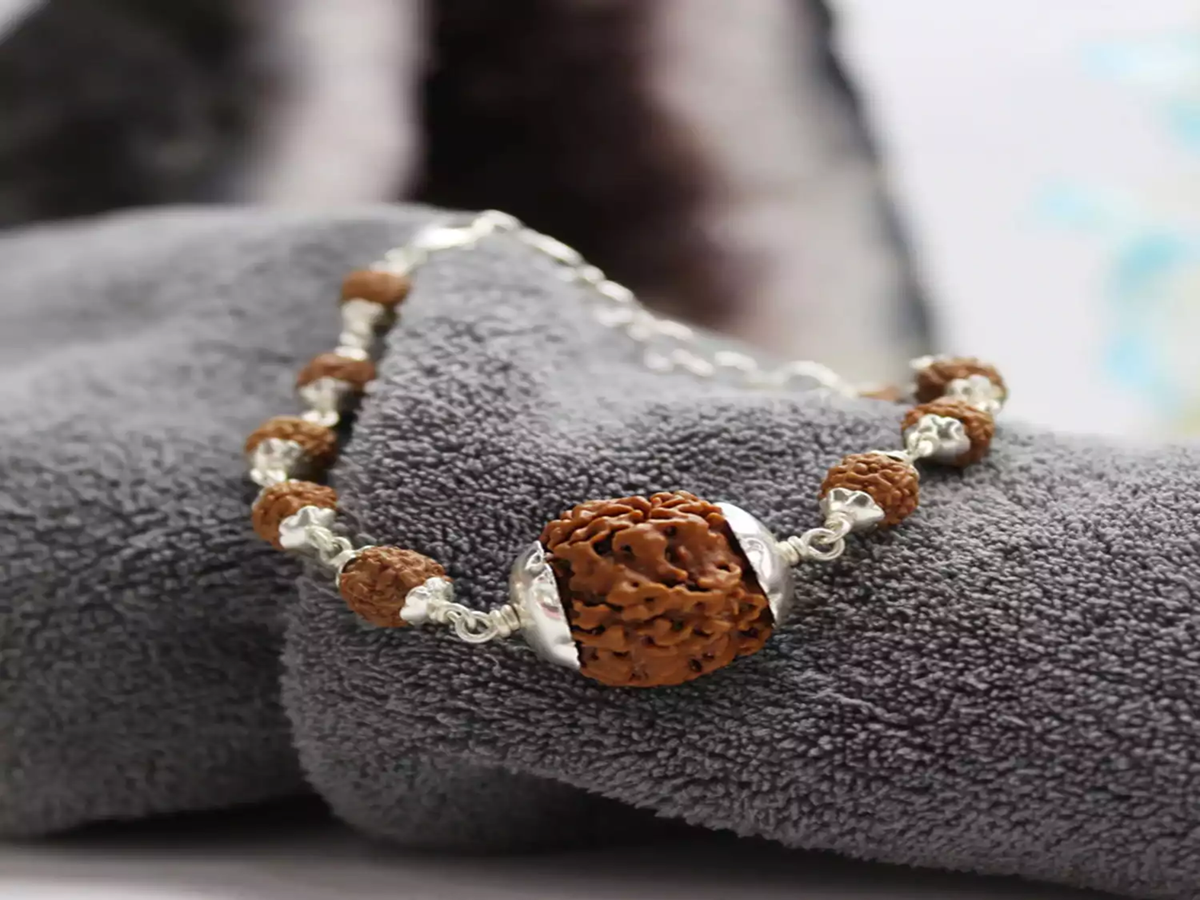
The story of Rudraksha is not just about religion, but also about the relationship between humans and nature. The seed of a tree, which people have made sacred by connecting it with emotions, beliefs, and experiences. Whether you consider it a miracle or a support for the mind, it's clear that Rudraksha has given people mental strength. Ultimately, Rudraksha is not just a necklace, but a feeling—that even in difficult times, there is a power with them.
PC Social Media