LIFESTYLE
Rudrabhishek Vidhi: How to perform Lord Shiva's Rudrabhishek at home? Learn the complete procedure..
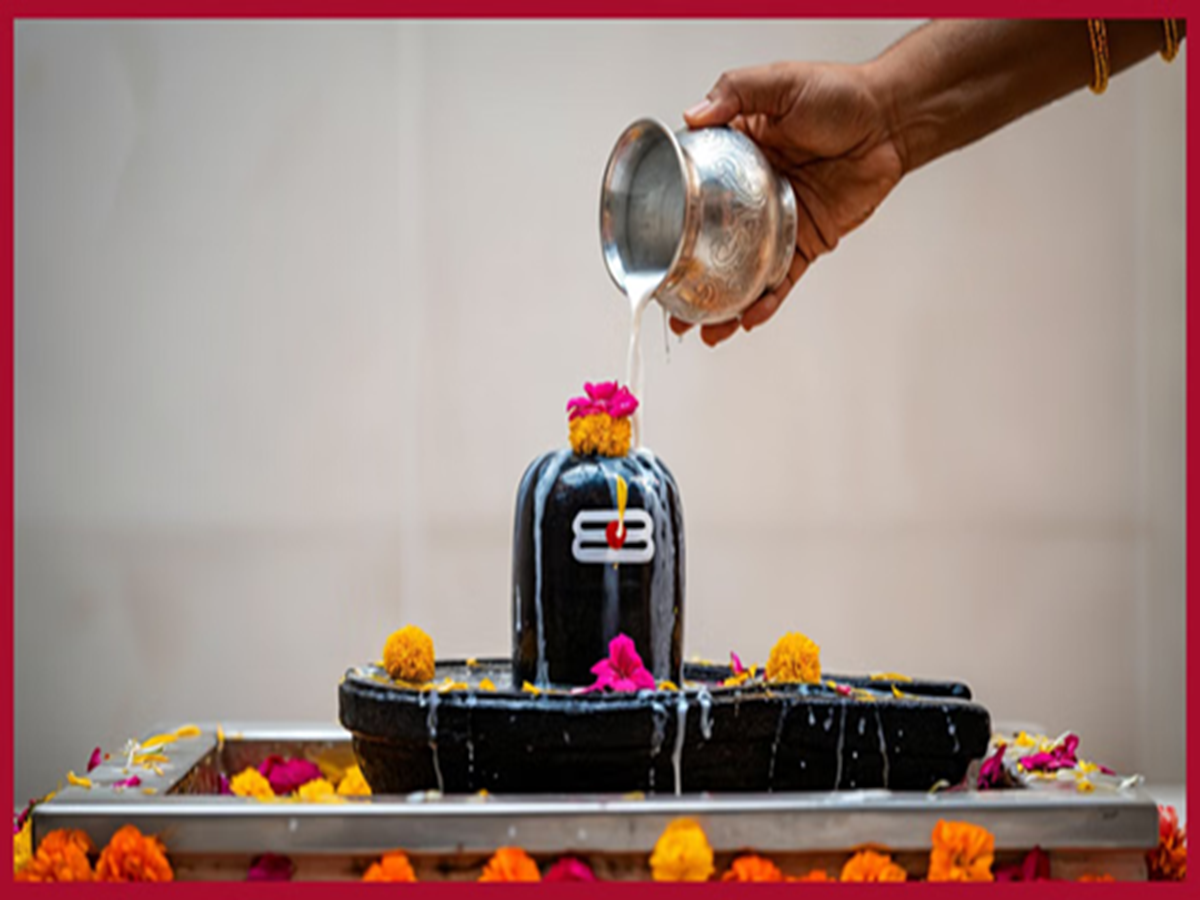
Method for Performing Rudrabhishek at Home During Sawan 2026: There is a special tradition of performing *Abhishek* (ritual bathing) on the *Shivling* every Monday during the month of *Shravan* (Sawan), which is dedicated to Lord Shiva. It is believed that performing *Abhishek* with water, milk, or *Panchamrit* with sincere devotion on this day pleases Lord Bholenath quickly, leading to the fulfillment of devotees' wishes. Many people are unable to visit a temple for various reasons and wish to worship Lord Shiva at home. If the correct procedure is known, the *Shivling* can be worshipped at home while strictly adhering to the prescribed rituals. Religious texts such as the *Shiva Purana*, *Skanda Purana*, and *Linga Purana* describe the profound significance of worshipping and performing *Abhishek* on the *Shivling*.
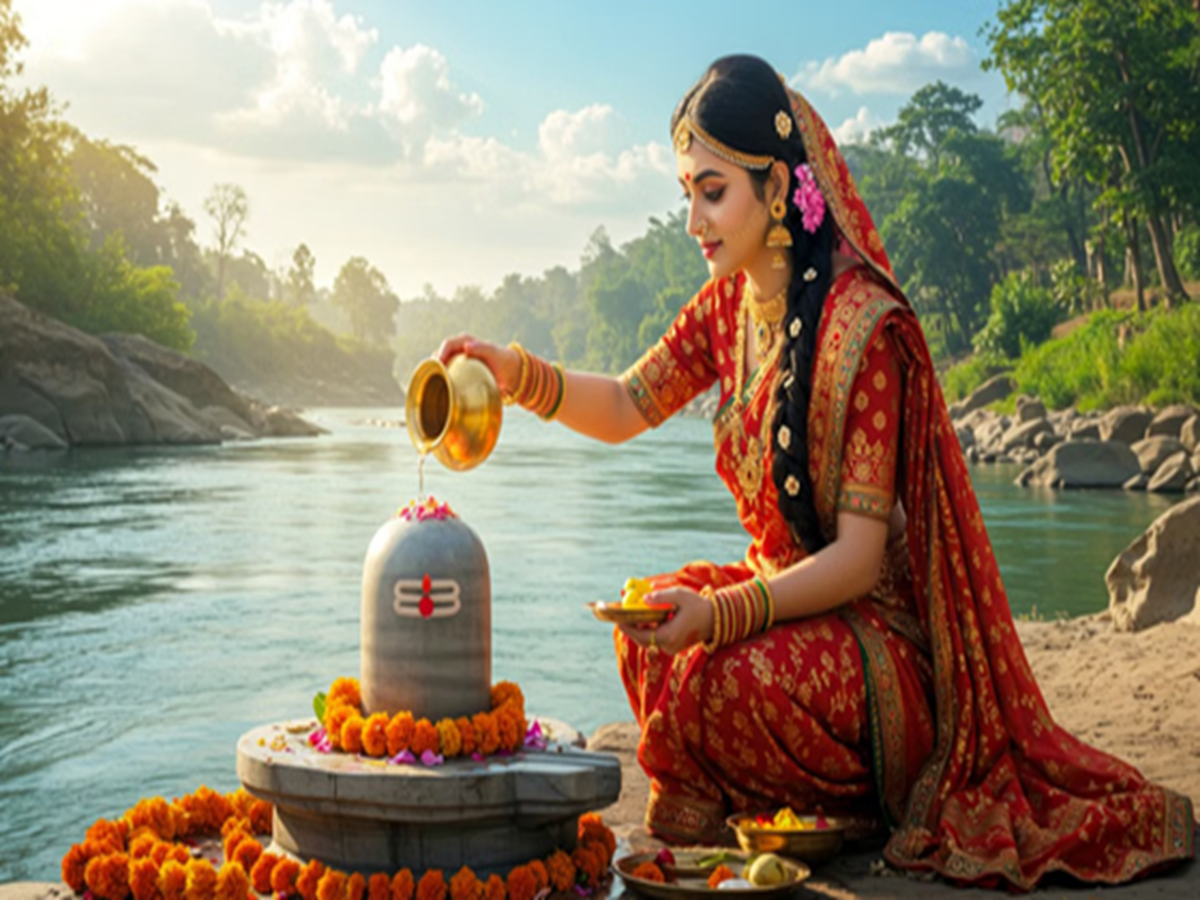
In the Shaiva tradition, *Abhishek* is not limited to merely offering water; it involves several stages. First, the *Shivling* is bathed, followed by adornment with sandalwood paste, flowers, and other offerings. This is followed by ritualistic worship, chanting of mantras, *Aarti*, and finally, a prayer seeking forgiveness.
Significance of Shiva Abhishek
The *Shiva Purana* states that Lord Shiva holds *Abhishek* very dear. Worship involving water, *Panchamrit*, and *Bilva* leaves is considered a means to purify the mind and cleanse one of sins. According to the *Linga Purana*, *Jal-Abhishek* (bathing the deity with water) is the simplest and most accessible method for everyone. If a *Shivling* is already installed in the home, it should be worshipped. If not, one can worship a *Parthiva Shivling* (an idol made of clean soil), which holds special significance. Performing *Abhishek* during the *Pradosh Kaal* (at dusk) is considered particularly auspicious, although the worship can be performed at any auspicious time according to one's convenience.
Materials Required for Rudrabhishek
Copper or brass vessel (lota)
Pure water, Gangajal (water from the Ganges)
Raw milk, steel vessel
Curd, pure ghee, honey
Fruit juices such as sugarcane and pomegranate (if available)
Sugar or rock sugar (mishri)
Perfume/Ittar
Ash (Vibhuti)
Ashtagandha
Sandalwood paste
Akshat (unbroken rice grains)
Garland of flowers, lotus flower (if available)
White or fragrant flowers, Aak flowers, yellow Kaner (oleander) flowers
Bhang, Shami leaves, Dhatura, Bel fruit
Bel leaves (trifoliate or with more leaflets)
Seasonal fruits
Naivedya (sacrificial food offering/sweets)
Incense and a lamp (diya)
Dakshina (offering/donation starting from ₹11, according to one's devotion)
Actions to Perform Before Starting the Abhishek
Making certain necessary preparations before commencing the Abhishek is considered extremely important. First, bathe in the morning and wear clean, pure clothes. Then, thoroughly clean the place of worship and light incense and a ghee lamp there.
Worship the Shiva Family Before the Abhishek
Worshipping the Shiva family before the Abhishek holds special significance. First, offer water and *bhog* (food offering) to Lord Ganesha. Next, offer water, *shringar* items (adornments), and *naivedya* to Mother Gaura. Then, offer flowers and *bhog* to Lord Kartikeya, and finally, offer Bel leaves and *prasad* to Nandi Ji. Keep in mind that Bhang and Dhatura are offered only to Lord Shiva, not to anyone else. After this, begin the Abhishek while chanting the mantra "Om Namah Shivaya," ensuring you face either the East or the North.
First Stage: Abhishek with Water
The Abhishek process is carried out in a systematic manner. First, offer clean water to the Shivling; if possible, pour the water in a continuous stream. Alternatively, you may offer water 3, 5, or 11 times.
Second Stage: Abhishek with Milk
Next, perform the Abhishek with raw milk and then purify the Shivling by offering water again. Third Step: Abhisheka with Ghee
Next, offer pure ghee, followed by a ritual bath with water.
Fourth Step: Abhisheka with Honey
After this, perform Abhisheka with curd (yogurt) and offer pure water again.
Fifth Step: Abhisheka with Fruit Juice
In the next step, Abhisheka may be performed using sugarcane juice or other fruit juices; offering water afterwards is essential.
Sixth Step: Sugar or Rock Sugar (Mishri)
Now, offer sugar or rock sugar and cleanse the deity with pure water.
Seventh Step: Abhisheka with Curd
Following this, perform Abhisheka with curd and bathe the Shivling with pure water once more.
Eighth Step: Offer Gangajal
Finally, offer Gangajal (water from the Ganges), which is considered the complete and sacred conclusion of the Abhisheka ritual.
Adorning Lord Shiva (Shringar)
After the Abhisheka is complete, it is considered essential to adorn Lord Shiva.
First, gently clean the Shivling.
Next, offer garments and the sacred thread (Janeu). If the garment is white, a little *Ashtagandha* (a sacred paste of eight aromatic substances) may be applied to it.
Then, offer perfume (ittar) followed by the application of sacred ash (*Bhasma* or *Vibhuti*).
After this, offer *Ashtagandha* and sandalwood paste, and finally, offer *Akshat* (unbroken rice grains).
Ensure that the rice grains are not broken. Along with this, barley, black sesame seeds, and whole green gram (*moong*) may also be offered.
Offering Worship Materials
After the adornment, various offerings are made to Lord Shiva. These include garlands, lotus flowers, fragrant flowers, *Aak* flowers, lotus seeds (*Kamalgatta*), *Bhang*, *Shami* leaves, *Bel* fruit, *Dhatura*, seasonal fruits, and sweets (*Naivedya*).
Offering Bel Leaves (*Belpatra*)
Offering *Belpatra* at the end of the worship holds special significance. When offering the *Belpatra*, place its smooth side facing the Shivling and place whole rice grains upon it. Chant the appropriate mantras while offering each *Belpatra*.
Tridalam Trigunakaram Trinetram Cha Triyayudham.
Trijanampaapsaharam Ekbilvam Shivarpanam.
You can also chant the Mahamrityunjaya Mantra.
Chant Mantras
Following this, it is considered auspicious to chant "Om Namah Shivaya" at least 108 times. If time permits, one may also recite the Mahamrityunjaya Mantra 11 or 21 times.
Offer Incense, a Lamp, and *Dakshina* (Ritual Offering)
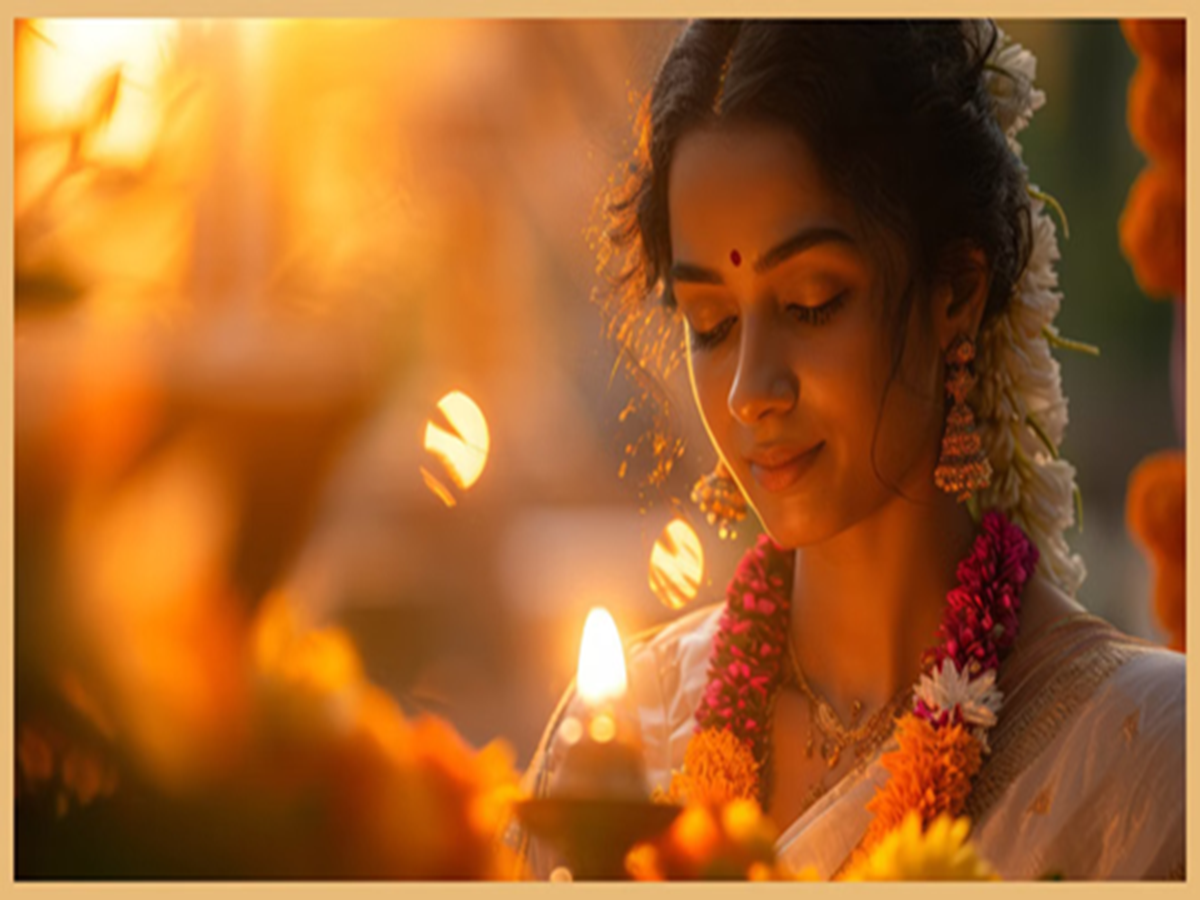
Now, offer incense and light a ghee lamp; then, perform the *Aarti* sequentially for Lord Ganesha, Mata Gaura, and finally, Lord Shiva.
Performing the *Aarti* with one's family is considered especially rewarding.
If you performed the worship with a specific vow (*Sankalp*), set aside an offering (*Dakshina*) according to your devotion.
Later, donate it to a temple, a *Gaushala* (cow shelter), a Brahmin, or a needy person.
PC Social Media