
LIFESTYLE
Rudrabhishek in Sawan: You can perform Rudrabhishek at home during Sawan; the Pandit explains the complete ritual..
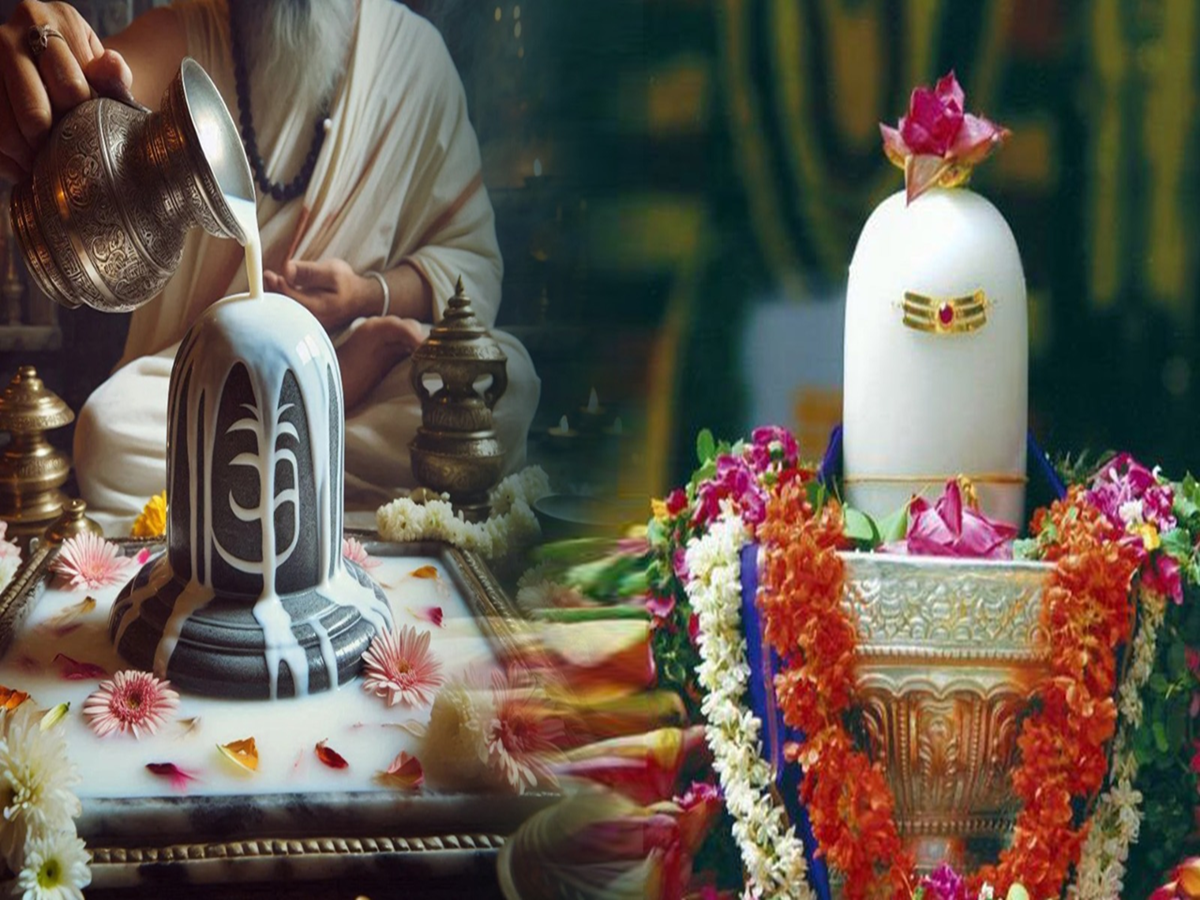
The holy month of Sawan is considered especially significant for the worship of Lord Shiva. During this period, devotees visit temples to perform *Jalabhishek* (offering water) and *Rudrabhishek* (ritual bathing of the Shiva Linga) to Lord Bholenath. However, if visiting a temple is not possible for any reason, you can also perform *Rudrabhishek* at home using a simple method.
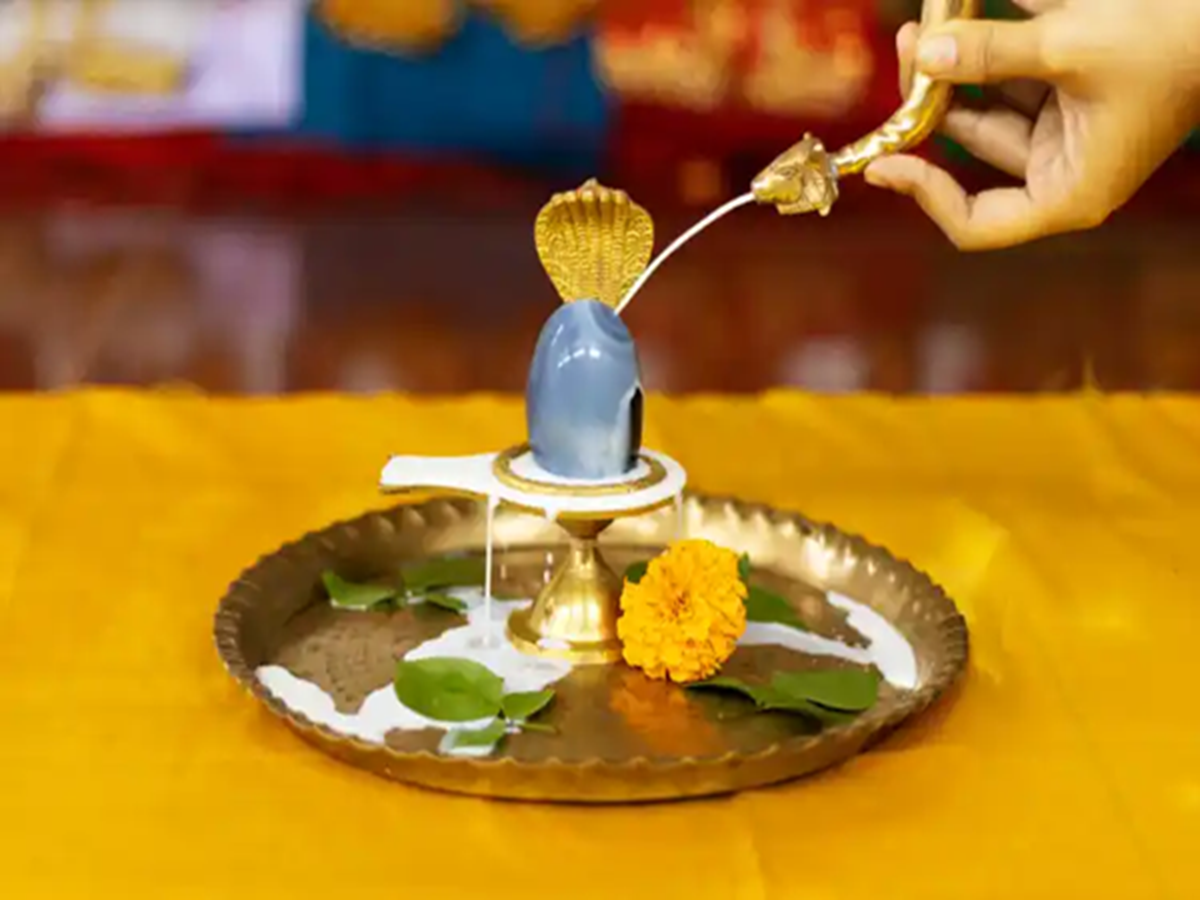
According to religious belief, worshipping Lord Shiva with devotion and a pure heart pleases Lord Bholenath. Pandit Harimohan Sharma, a spiritual guru from Karauli, states that while the complete Vedic *Rudrabhishek*—involving *Rudri Path* (recitation of the Rudri) and specific mantras performed by a learned priest—is considered ideal, ordinary devotees can also perform the *Abhishek* at home using a simple procedure. The most important elements for this are devotion, cleanliness, and constant remembrance of Lord Shiva.
Before performing *Rudrabhishek* at home, bathe and wear clean clothes. Clean the place of worship and install the *Shiva Linga* there; it can be placed on a plate or a ritual platform (*puja chowki*). Next, light a lamp and invoke Lord Ganesha.
For the worship, you may keep the *Shiva Linga*, pure water, *Gangajal* (water from the Ganges), milk, curd, ghee, honey, sugar or rock sugar (*mishri*), *Belpatra* (wood apple leaves), white flowers, *Akshat* (unbroken rice grains), sandalwood paste, incense, a lamp, camphor, and fruits/sweets. *Panchamrit* can also be prepared depending on the availability of ingredients. After this, make a solemn resolve (*Sankalp*) and begin the *Abhishek*.
Before starting the *Rudrabhishek*, hold water, *Akshat*, and flowers in your hand, remember Lord Shiva, and make a *Sankalp* regarding your wish; then, release the water. Now, begin the *Abhishek* on the *Shiva Linga* and continue chanting the mantra 'Om Namah Shivaya' throughout the worship.
First, pour a thin stream of pure water or *Gangajal* over the *Shiva Linga*. Follow this by performing *Abhishek* with milk and then rinsing the *Shiva Linga* with water. Similarly, perform *Abhishek* with curd, ghee, and honey, offering water after each substance. Subsequently, *Abhishek* can be performed using a solution of sugar or rock sugar, or with *Panchamrit*. Finally, perform *Abhishek* once more with pure water or *Gangajal*.
Once the *Abhishek* is complete, gently wipe the *Shiva Linga* with a clean cloth and apply sandalwood paste. Next, offer *Belpatra* (wood apple leaves), flowers, and *Akshat* (unbroken rice grains). Light incense and a lamp to worship Lord Shiva; *Belpatra* is considered particularly dear to Him according to religious belief.
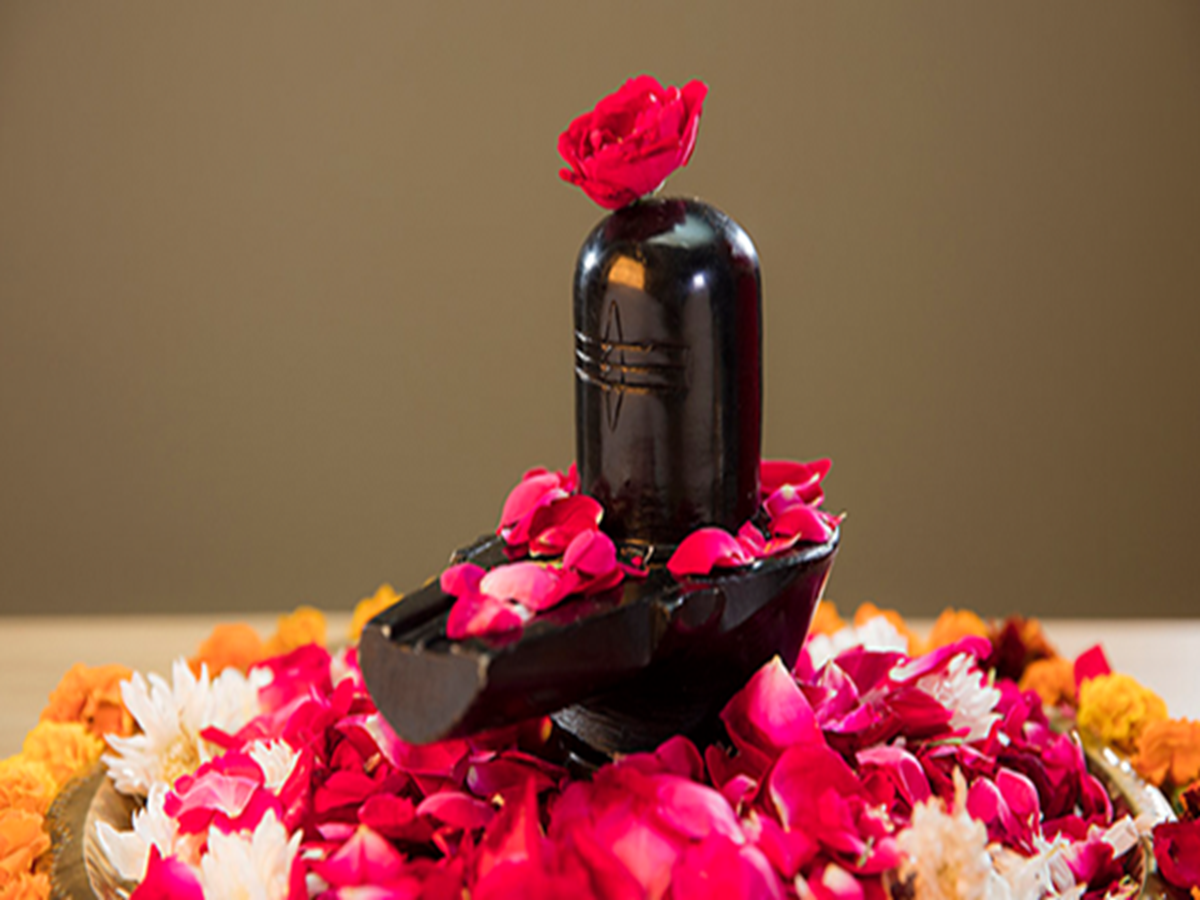
At the conclusion of the worship, offer fruits, sweets, or *Panchamrit* to Lord Shiva. Then, perform the *Aarti* using camphor or a lamp. Devotees may recite the Shiva *Aarti* or other hymns dedicated to Lord Shiva, according to their devotion. After the *Aarti*, join your hands in prayer and ask Lord Shiva to fulfill your wishes. Finally, partake of the *Prasad* yourself and distribute it among family members.
PC Social Media