
LIFESTYLE
Reasons for Eye Twitching: Is your eye twitching repeatedly? Find out the causes and simple ways to get relief..
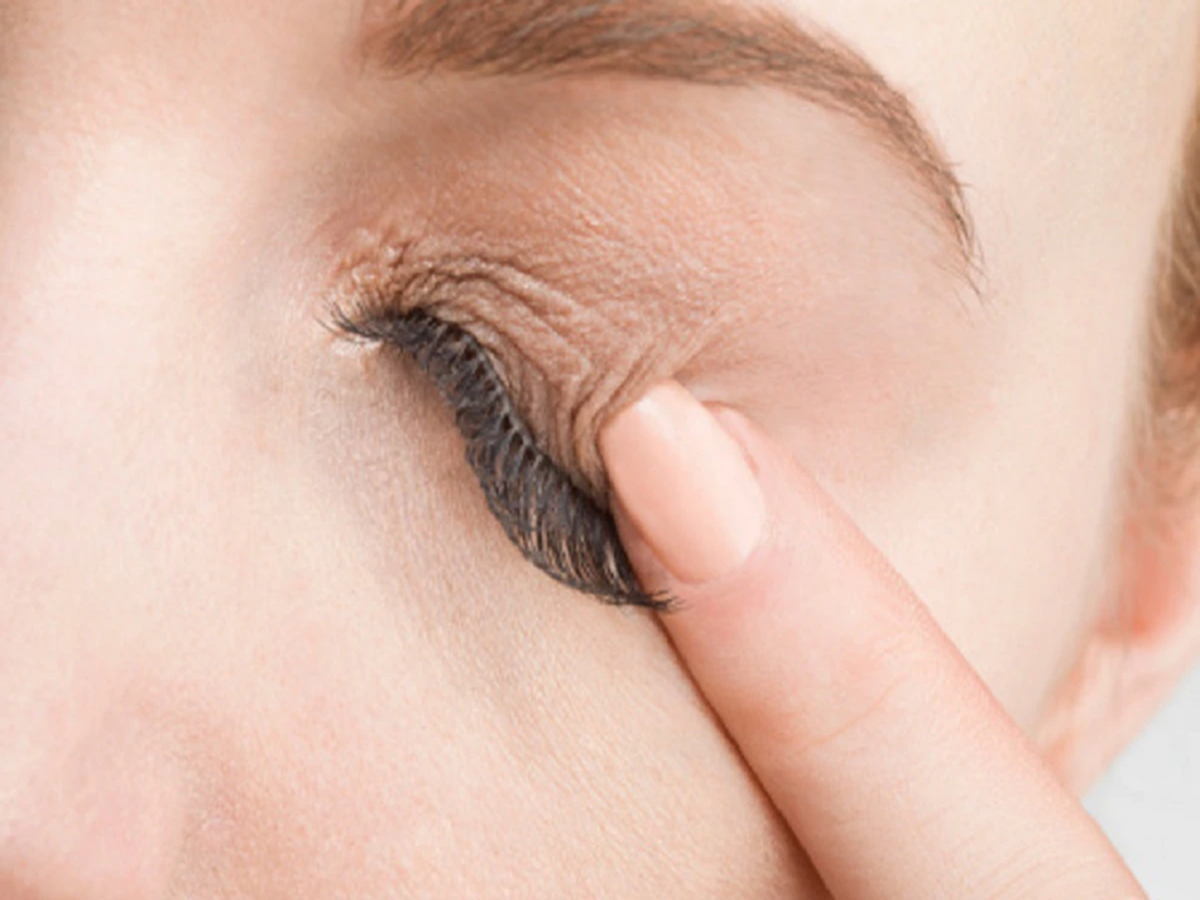
Causes and Remedies for Eye Twitching: Eye twitching is a common issue that people often associate with auspicious or inauspicious omens. Many believe that the twitching of the right or left eye signals a future event. However, medically speaking, eye twitching is not linked to omens but rather to common physical conditions or health-related factors.
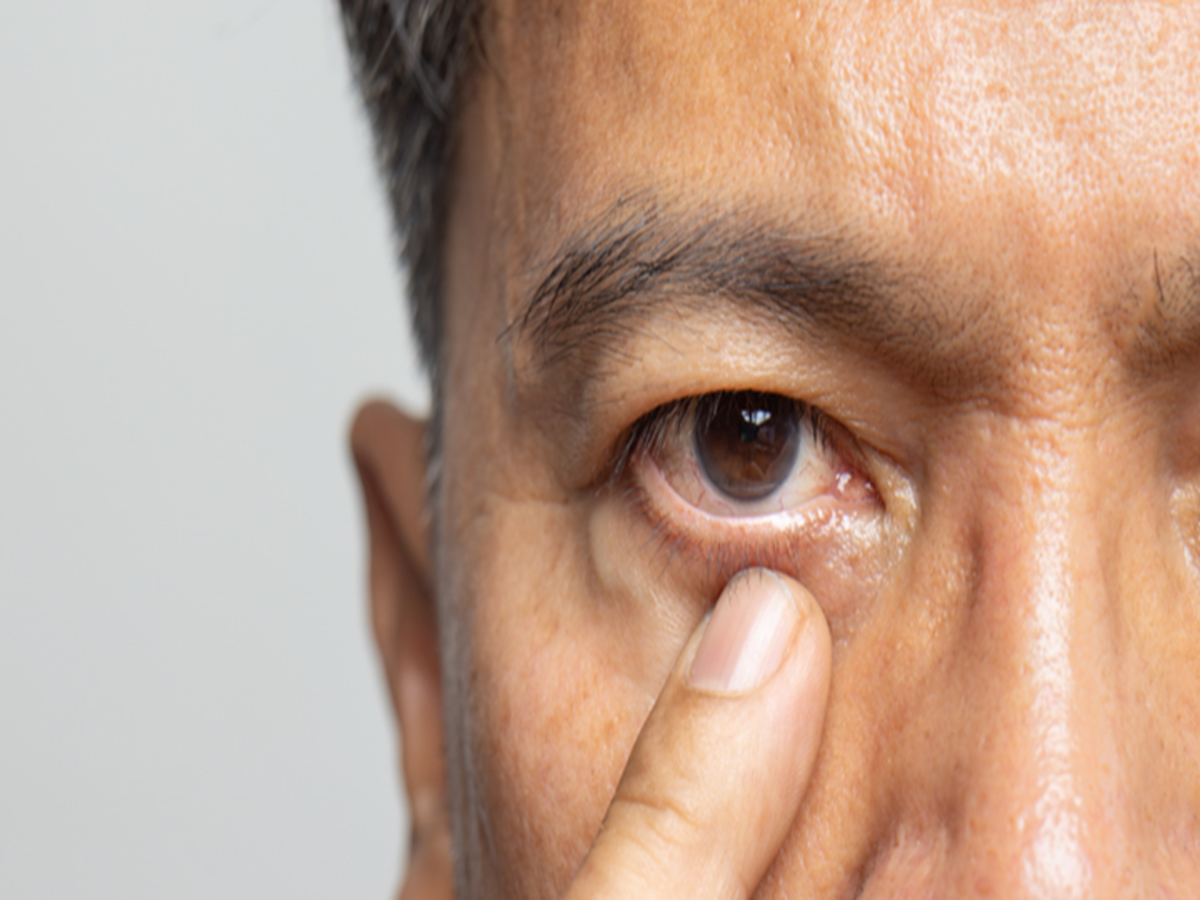
In most cases, the issue resolves on its own after a short while; however, if the twitching persists for several days or is accompanied by other symptoms, consulting a doctor may be necessary. Let us explore the scientific reasons behind eye twitching and simple ways to prevent it.
What is the scientific reason behind eye twitching?
Eye twitching is essentially an involuntary movement (spasm) of the eyelid muscles. It often lasts for a few seconds or minutes, though in some individuals, it may occur intermittently over several days.
Stress
Mental stress is considered the most common cause of eye twitching. Work pressure, anxiety, or mental fatigue can affect the eye muscles.
Lack of sleep
Insufficient sleep causes fatigue in both the body and the eye muscles, which can trigger eyelid twitching.
Prolonged screen time
Spending hours in front of a mobile phone, laptop, or TV increases strain on the eyes. This can lead to dryness, fatigue, and twitching.
Excessive caffeine consumption
High intake of tea, coffee, or energy drinks can increase muscle activity in some people, potentially leading to eye twitching.
Dry eyes
Reduced moisture in the eyes—caused by excessive screen time, aging, or certain medications—can lead to twitching.
Nutritional deficiency
A lack of certain nutrients, such as magnesium, can affect muscle function, although this is not the cause in every instance.
Simple ways to get relief from eye twitching
Get adequate sleep—7 to 8 hours daily.
Reduce screen time and follow the 20-20-20 rule.
Practice yoga and meditation to reduce stress.
Limit the consumption of tea and coffee.
Give your eyes periodic rest.
Drink plenty of water and maintain a balanced diet.
Use eye drops upon a doctor's advice if necessary.

When should you consult a doctor?
Consult an eye specialist immediately if the eye twitches continuously for a week or longer, if the eyelid begins to close completely, or if you experience swelling, redness, pain, or blurred vision. This could also be a sign of an underlying health issue.
PC Social Media