LIFESTYLE
Raksha Bandhan: August 27 or 28—when will Raksha Bandhan be celebrated? Find out the correct date..
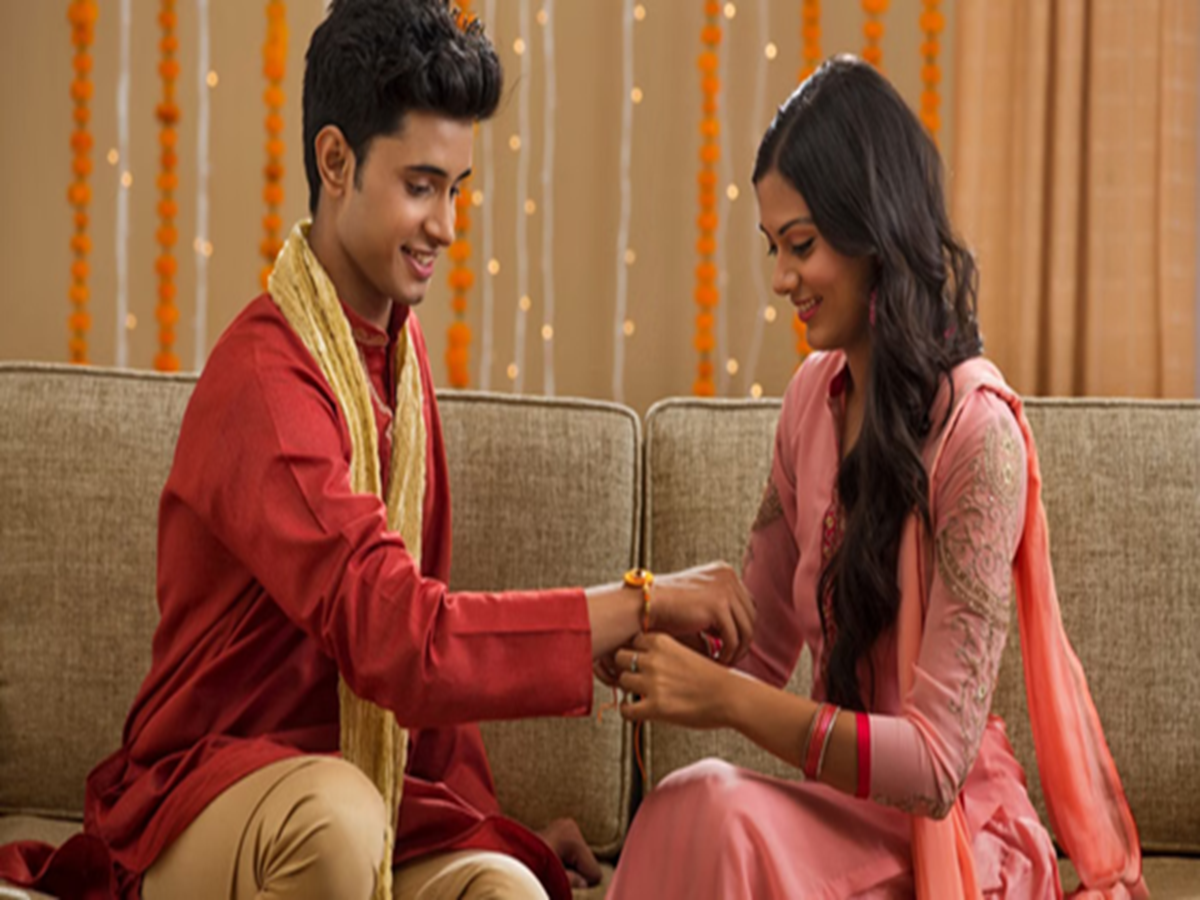
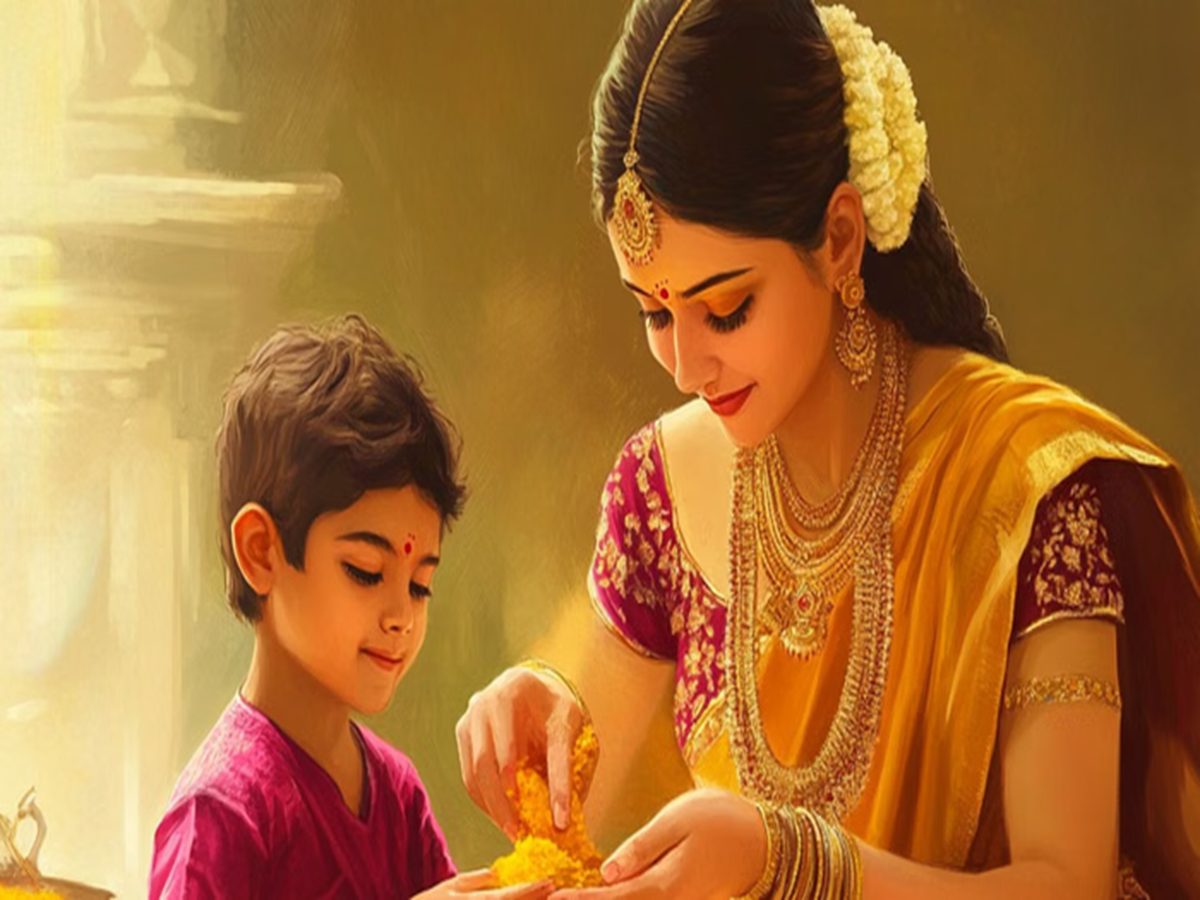
Rakshabandhan 2026 Date: In the Sanatan tradition, the festival of Rakshabandhan—symbolizing the sacred bond of affection between siblings—is celebrated on the full moon day (Purnima) of the month of Shravan. Scriptures regard this day as highly auspicious; a sister ties a protective thread (*Raksha-sutra*) around her brother's wrist, praying for his longevity and prosperity, while the brother pledges to protect her. However, since the Shravan Purnima *tithi* (lunar day) spans two days this year, there is confusion among devotees regarding whether to celebrate Rakshabandhan on August 27 or August 28. Let us resolve this confusion based on astrological calculations and determine the auspicious time for tying the *Rakhi*.
Correct Date for Rakshabandhan 2026
According to astrological calculations, the Shravan Purnima *tithi* begins at 9:08 AM on Thursday, August 27, 2026, and concludes at 9:48 AM on the following day, Friday, August 28, 2026. In Sanatan Dharma, the *Udayatithi* (the lunar day prevailing at sunrise) holds supreme importance in determining the date of any fast or festival; the date present at sunrise is considered valid for the celebration. Based on this principle, since the Purnima *tithi* will be active at sunrise on August 28, the sacred festival of Rakshabandhan will be celebrated on Friday, August 28, 2026. On this day, the festival celebrating the bond between siblings will be observed with devotion and joy across India.
Auspicious Time for Tying Rakhi
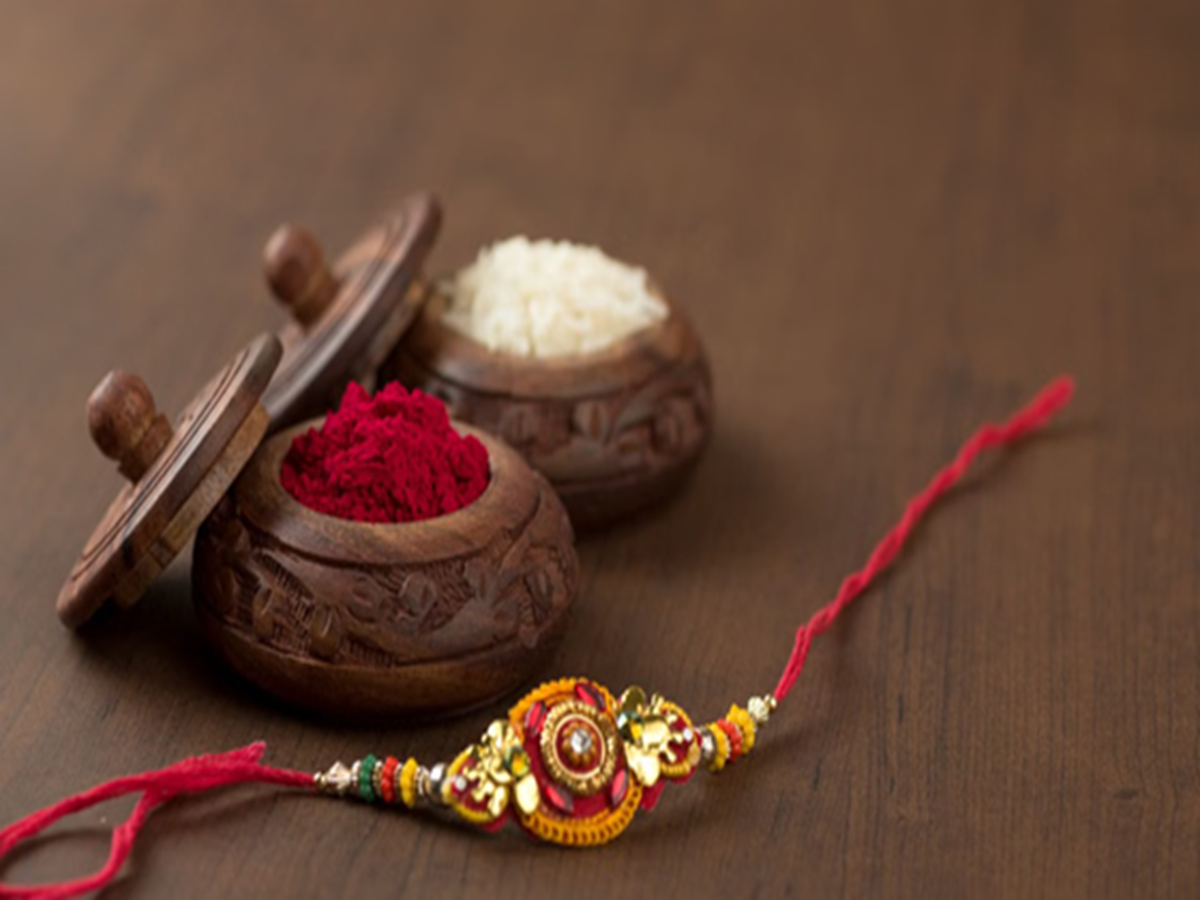
According to astrology, it is considered essential to avoid the *Bhadra Kaal* period before tying the *Rakhi* on Rakshabandhan, as any auspicious activity performed during *Bhadra Kaal* is believed to be fruitless. The good news this year is that *Bhadra* will end before sunrise on August 28, making the entire day auspicious for tying the *Rakhi*. The primary auspicious time for tying the Rakhi is from 5:57 AM to 9:48 AM; essentially, the entire period from sunrise until the conclusion of the *Purnima Tithi* (full moon day) is considered ideal for the ritual. Following this, the *Pratipada Tithi* begins. From an astrological perspective, a *Raksha-Sutra* (protective thread) tied during this auspicious window is believed to enhance a brother's longevity, renown, and prosperity.
**Religious and Mythological Significance of Raksha Bandhan**
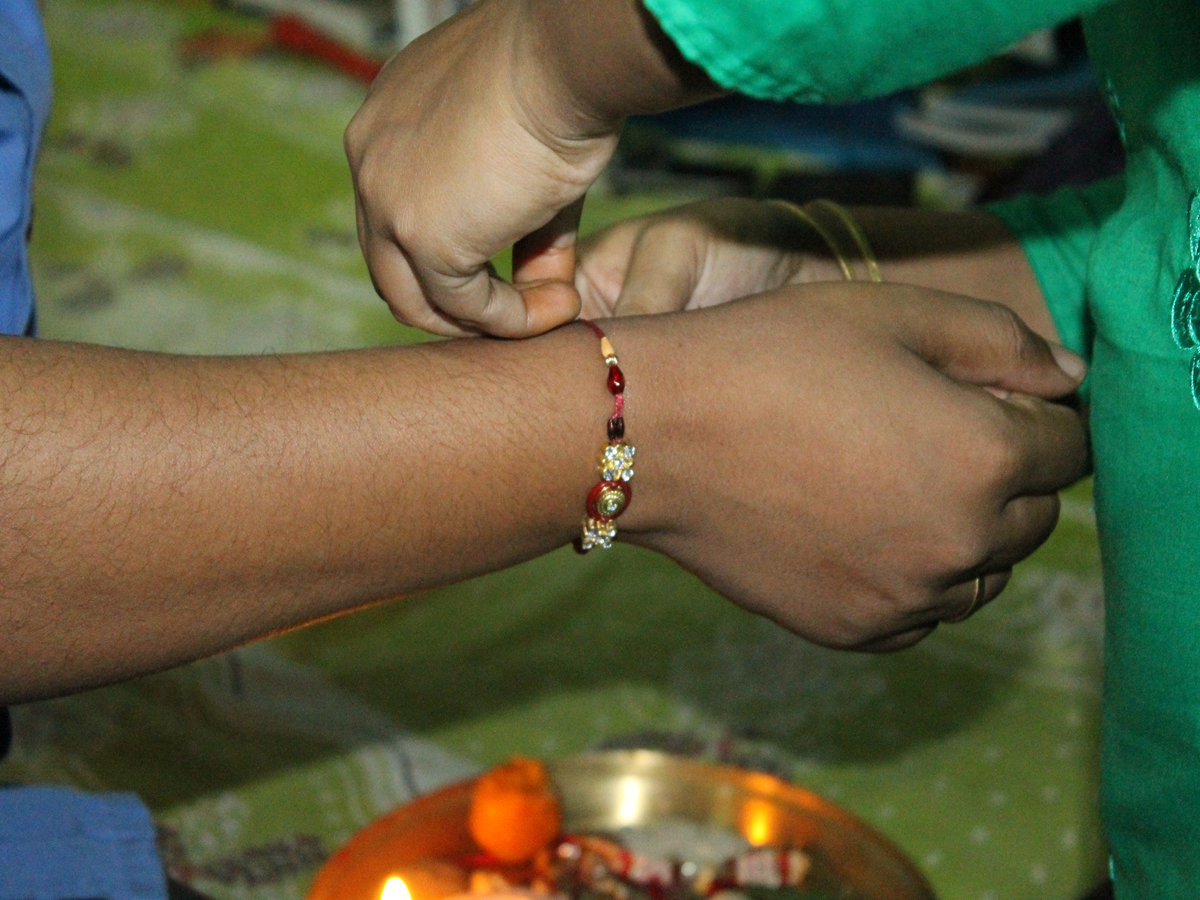
In Indian culture, the festival of Raksha Bandhan symbolizes the unbreakable bond of affection between siblings. On this auspicious day, sisters apply *tilak* to their brothers' foreheads, perform *Aarti*, and tie a *Rakhi* around their wrists; in return, brothers offer gifts (*shagun*) and solemnly vow to protect their sisters. Sisters also offer special prayers to the Divine for their brothers' long and happy lives. According to mythology, during the era of the Mahabharata, when Lord Krishna’s finger began to bleed after the slaying of Shishupala, Draupadi tore a strip from her *sari* and bound it around his finger. Touched by this affectionate gesture, Lord Krishna vowed to protect her always—a promise he subsequently honored during the *Cheer-haran* (disrobing) episode. This mythological event is considered a foundational element of the Raksha Bandhan tradition. This sacred tradition, observed for centuries, continues to strengthen the bonds of affection, trust, and mutual protection between siblings in Indian society today.
PC Social Media