
LIFESTYLE
Pradeep Rawat Dies After Battle With Blood Cancer: Types, Symptoms, Causes and Treatment Explained
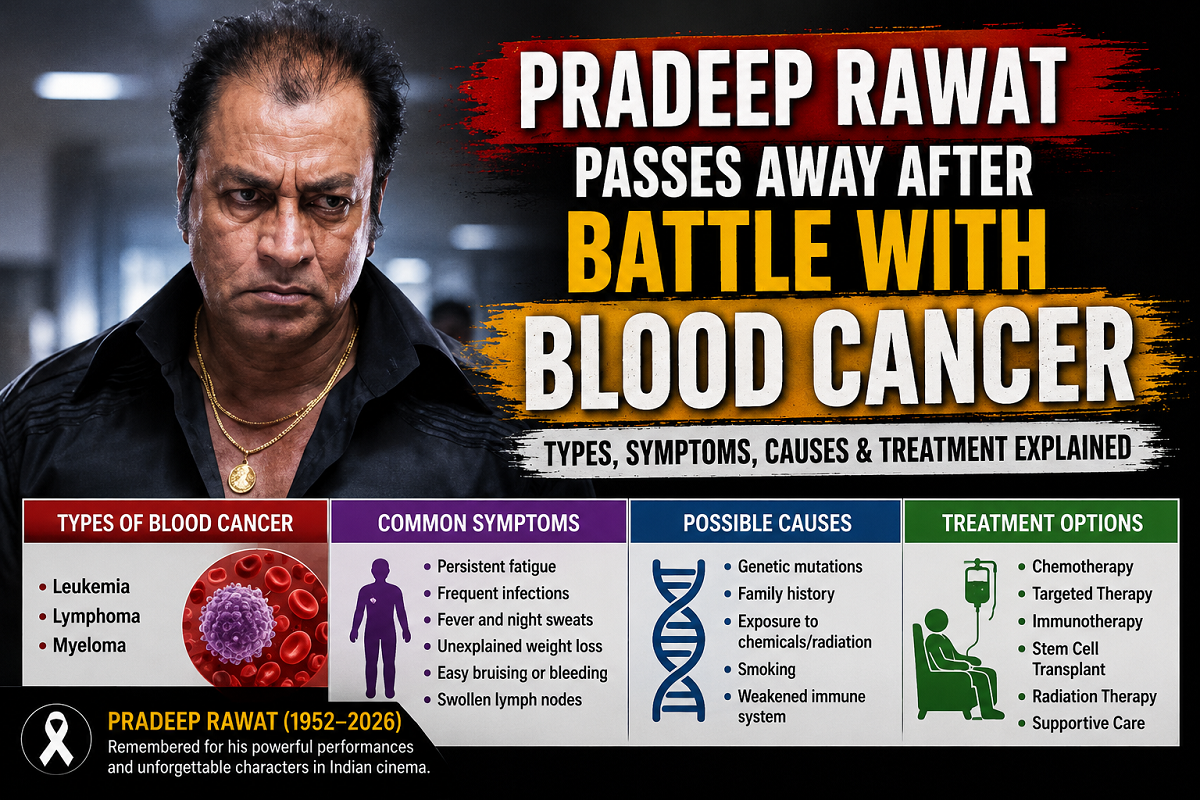
Pradeep Rawat Death: Veteran actor Pradeep Rawat, best known for his memorable performances in films such as Ghajini and Lagaan, passed away on Tuesday evening at the age of 74 after a prolonged battle with blood cancer. According to his business manager, the actor had been undergoing treatment for nearly five years. Although he initially responded well to treatment, the disease reportedly returned a few months ago, and his health deteriorated in recent weeks.
Following news of his demise, many people have been searching to understand what blood cancer is, how it develops, its symptoms, available treatment options, and whether the disease can be cured.
What Is Blood Cancer?
Blood cancer is a group of cancers that affect the production and function of blood cells. Most blood cancers begin in the bone marrow, the soft tissue inside bones where stem cells are produced.
These stem cells normally develop into:
- Red blood cells (RBCs): Carry oxygen throughout the body.
- White blood cells (WBCs): Help fight infections.
- Platelets: Assist in blood clotting and prevent excessive bleeding.
When blood cancer develops, abnormal blood cells multiply uncontrollably. These cancerous cells crowd out healthy blood cells, preventing them from performing their normal functions and affecting the body's immune system, oxygen supply, and blood-clotting ability.
Major Types of Blood Cancer
Blood cancer is generally classified into three primary categories.
1. Leukemia
Leukemia usually begins in the bone marrow and leads to the rapid production of abnormal white blood cells. These unhealthy cells interfere with the body's ability to fight infections and produce healthy blood cells.
2. Lymphoma
Lymphoma affects the lymphatic system, an important part of the body's immune defense. It develops in lymphocytes, a type of white blood cell.
The two main forms include:
- Hodgkin Lymphoma
- Non-Hodgkin Lymphoma
3. Multiple Myeloma
Multiple myeloma starts in the bone marrow and affects plasma cells, which are responsible for producing antibodies that help protect the body from infections.
Apart from these, there are also rarer blood cancers such as Myeloproliferative Neoplasms (MPNs) and Myelodysplastic Syndromes (MDS).
Common Symptoms of Blood Cancer
Symptoms vary depending on the type and stage of the disease, but some commonly reported warning signs include:
- Persistent fatigue or weakness
- Frequent infections
- Fever without a clear cause
- Swollen lymph nodes
- Shortness of breath
- Bone or joint pain
- Unexplained weight loss
- Excessive night sweats
- Enlarged liver or spleen
- Easy bruising
- Unusual bleeding
- Small red or purple spots on the skin (petechiae)
Since many of these symptoms may also occur in other illnesses, they do not necessarily indicate blood cancer. Anyone experiencing persistent symptoms should seek medical evaluation rather than relying on self-diagnosis.
What Causes Blood Cancer?
Blood cancer generally develops due to genetic mutations in blood-forming cells.
DNA controls how cells grow, divide, and die. When mutations occur, abnormal cells continue multiplying instead of dying naturally. Over time, these cancerous cells replace healthy blood cells, disrupting normal bone marrow function.
Several factors may increase the risk of developing blood cancer, including:
- Increasing age
- Certain inherited genetic disorders
- Smoking and exposure to second-hand smoke
- Long-term exposure to industrial chemicals such as benzene and formaldehyde
- Previous chemotherapy or radiation therapy
- Family history in certain types of blood cancer
However, many patients develop blood cancer without any identifiable risk factors.
How Is Blood Cancer Diagnosed?
Doctors usually begin by reviewing the patient's medical history and symptoms before recommending diagnostic tests.
Common investigations include:
Complete Blood Count (CBC)
A CBC measures the levels of red blood cells, white blood cells, and platelets, helping identify abnormal blood cell counts.
Blood Chemistry Tests
These tests evaluate organ function and help detect abnormalities associated with blood disorders.
Imaging Tests
Depending on the patient's condition, doctors may recommend:
- CT Scan
- MRI Scan
- PET Scan
These imaging studies help determine whether the disease has spread.
Bone Marrow Biopsy
A bone marrow biopsy is one of the most important diagnostic procedures for blood cancer. A small sample of bone marrow is collected and examined under a microscope to detect abnormal blood-forming cells.
Genetic Testing
Specialized laboratory tests may identify genetic mutations that help determine the exact type of blood cancer and guide treatment decisions.
Treatment Options
Treatment depends on several factors, including the type of blood cancer, its stage, the patient's age, and overall health.
Chemotherapy
Chemotherapy remains one of the most commonly used treatments. It uses anti-cancer medicines to destroy or slow the growth of abnormal blood cells.
Radiation Therapy
High-energy radiation targets cancer cells, damaging their DNA and preventing them from multiplying.
Immunotherapy
Immunotherapy strengthens the body's own immune system to recognize and attack cancer cells.
Examples include:
- Monoclonal antibody therapy
- CAR T-cell therapy
Targeted Therapy
Unlike conventional chemotherapy, targeted therapy focuses on specific genetic mutations or proteins that help cancer cells survive.
Stem Cell Transplant
Some patients may require a stem cell transplant after high-dose chemotherapy.
Two main types include:
- Autologous Stem Cell Transplant: Uses the patient's own healthy stem cells collected before treatment.
- Allogeneic Stem Cell Transplant: Uses stem cells donated by a compatible donor.
Can Blood Cancer Be Cured?
The outcome depends on the type of blood cancer and how early it is diagnosed.
In many patients, treatment can eliminate the disease, while others may achieve long-term remission, meaning no detectable signs of active cancer after treatment.
Survival rates differ significantly among different blood cancers and are influenced by factors such as:
- Type of cancer
- Stage at diagnosis
- Patient's age
- Overall health
- Response to treatment
Advances in targeted therapies, immunotherapy, and stem cell transplantation have improved treatment outcomes over the past decade.
Can Blood Cancer Be Prevented?
There is no guaranteed way to prevent blood cancer. However, adopting a healthy lifestyle may help reduce certain risk factors.
Preventive measures include:
- Avoid smoking and tobacco exposure.
- Limit exposure to harmful industrial chemicals where possible.
- Follow workplace safety guidelines if handling hazardous substances.
- Seek medical attention if persistent symptoms develop.
Final Take
The passing of veteran actor Pradeep Rawat has once again drawn attention to the seriousness of blood cancer, a disease that affects millions of people worldwide. While blood cancer remains a complex condition, early diagnosis, timely medical intervention, and advances in modern treatment have significantly improved outcomes for many patients.
Anyone experiencing persistent symptoms such as unexplained fatigue, frequent infections, unusual bleeding, or prolonged fever should consult a qualified healthcare professional for proper evaluation rather than relying on assumptions or self-diagnosis.
Disclaimer: This article is intended for informational purposes only and should not be considered medical advice. Diagnosis and treatment decisions should always be made in consultation with a qualified healthcare professional.