LIFESTYLE
Pooja Kalash: These leaves on the Pooja Kalash bring happiness and prosperity to the house, why is the mango one better, know here..
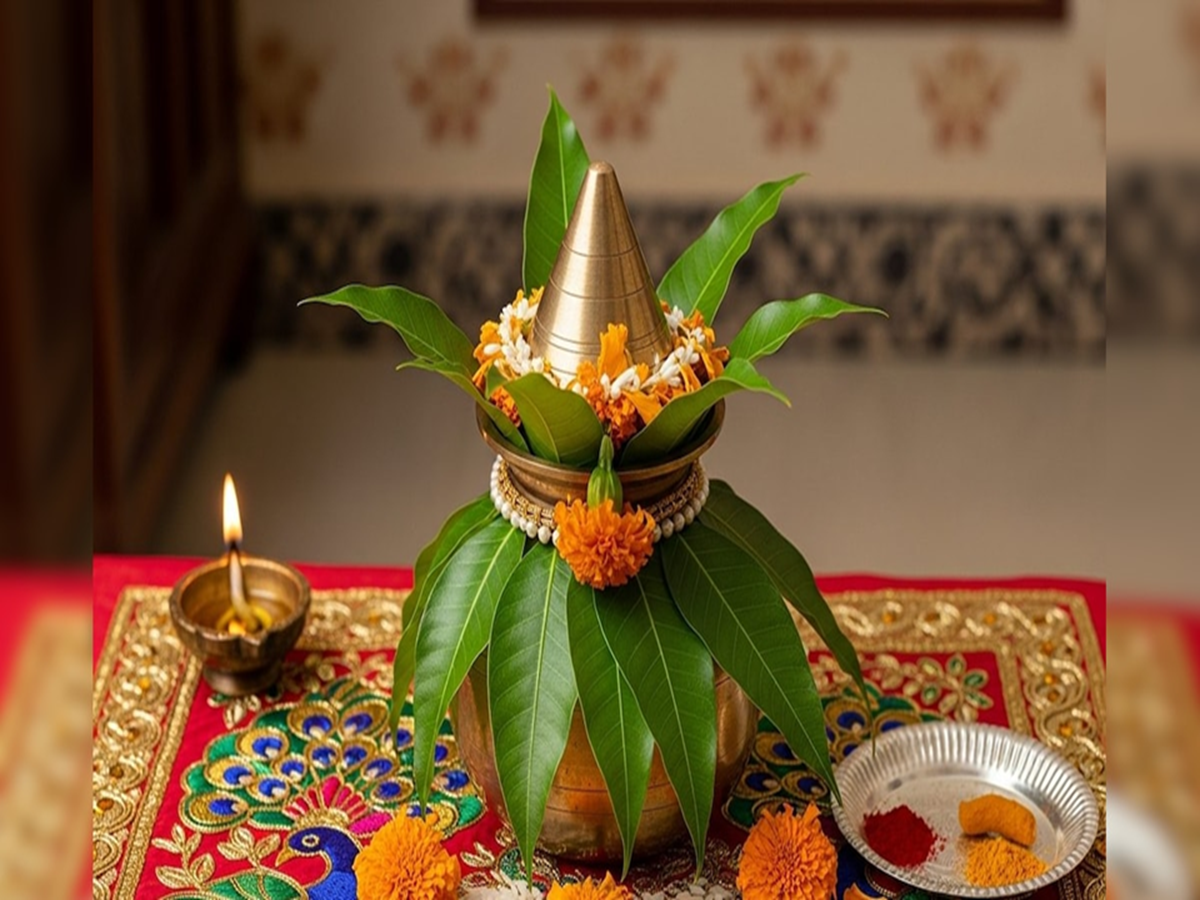
The Kalash (urn) installed during puja is not just an ordinary vessel; it is considered a symbol of auspiciousness, prosperity, and the arrival of deities. Any puja, fast, havan, or auspicious event begins with the installation of the Kalash. It is believed that the place where the Kalash is installed is filled with positive energy, purifying the atmosphere of the home. The place and home are sanctified by the arrival of deities. Pandit Baldev Dutt Bhatt of Pithoragarh explained that the leaves placed on the mouth of the Kalash also hold special significance. Mango leaves are most commonly used because they are considered a symbol of happiness, prosperity, and greenery.
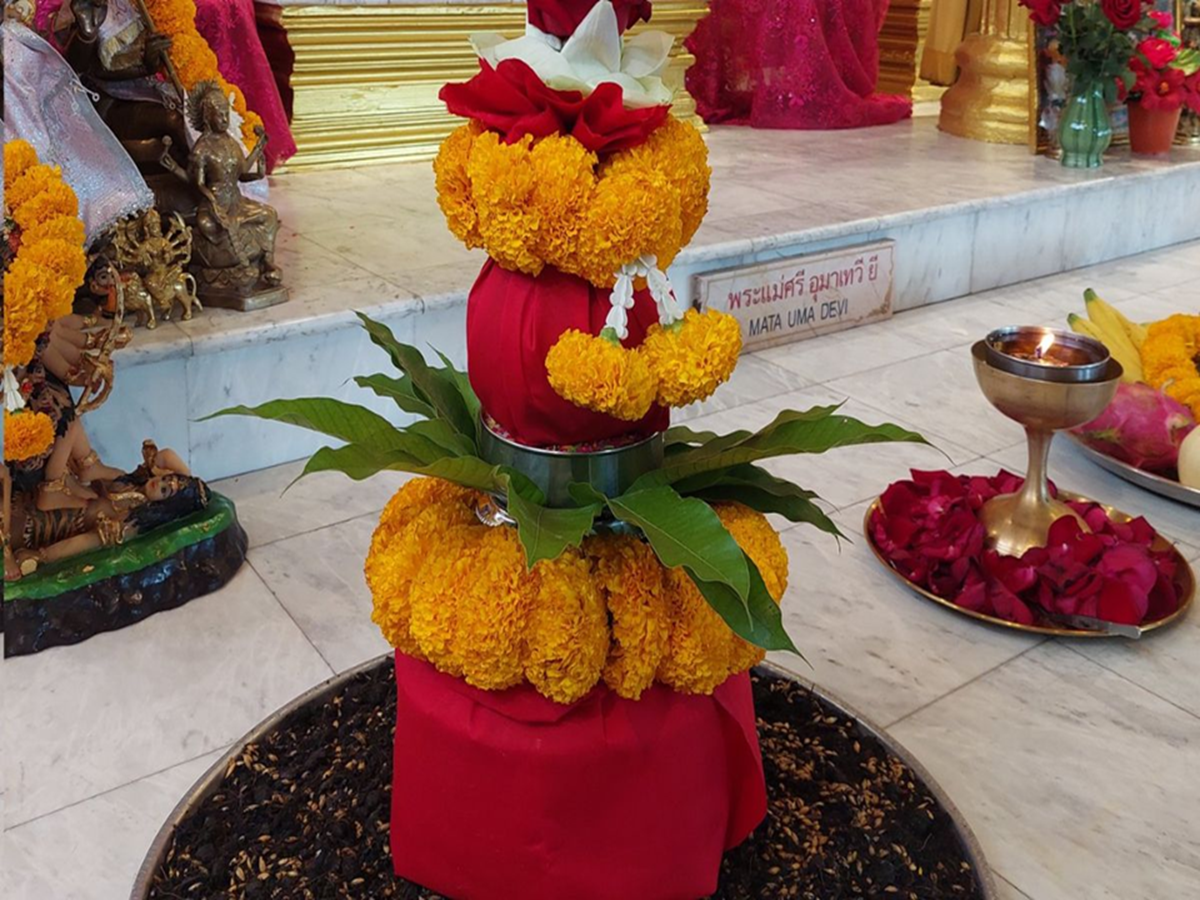
Use of these leaves
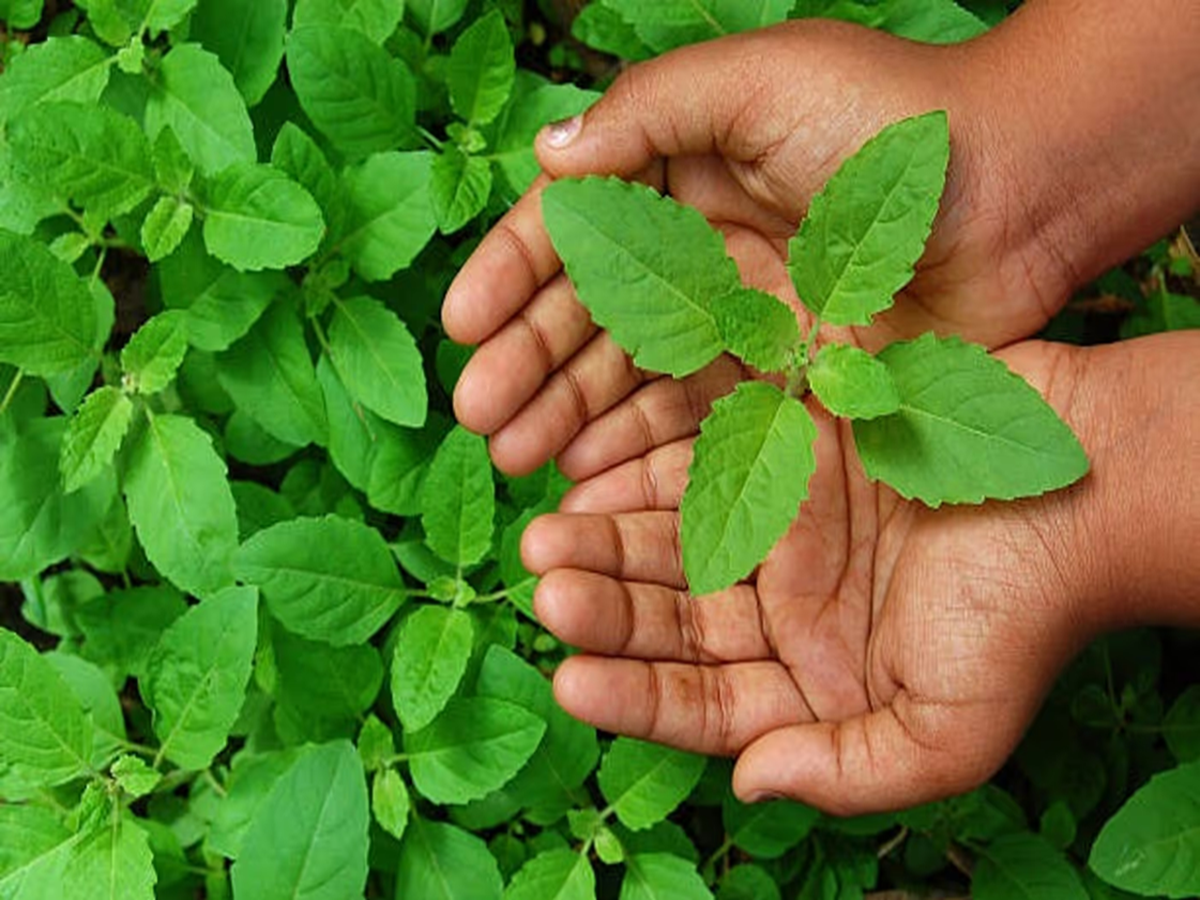
The mango tree remains evergreen, hence it is considered a symbol of life and progress. In many places, Ashoka, Peepal, Jamun, Payya, and Banyan leaves are used. In the mountains, these leaves, along with the Burma of Kush, have special significance. These leaves are also used in the Kalash along with these leaves. All these trees are considered sacred in Indian tradition and symbolize peace, longevity, and stability. When these leaves are placed in the Kalash, it is believed to purify the energy of the place of worship and bring blessings from the gods. The water in the Kalash is also considered a symbol of life, and the leaves placed on it represent the balance of nature. This is why Kalash installation is considered essential on every auspicious occasion.
Pandit Baldev Dutt Bhatt explains that the leaves placed in the Kalash are not just a tradition, but have their own spiritual significance. Leaves from mango and other sacred trees are considered symbols of positive energy. When placed in the Kalash, it signifies the welcome of the gods and the arrival of happiness and peace in the home. In this way, the Kalash and its leaves are not just religious objects, but symbolize the beautiful union of nature and faith, which brings completeness to every puja.