
LIFESTYLE
Plant these 5 sacred plants during Sawan to receive the immense blessings of Lord Bholenath and Shani Dev..
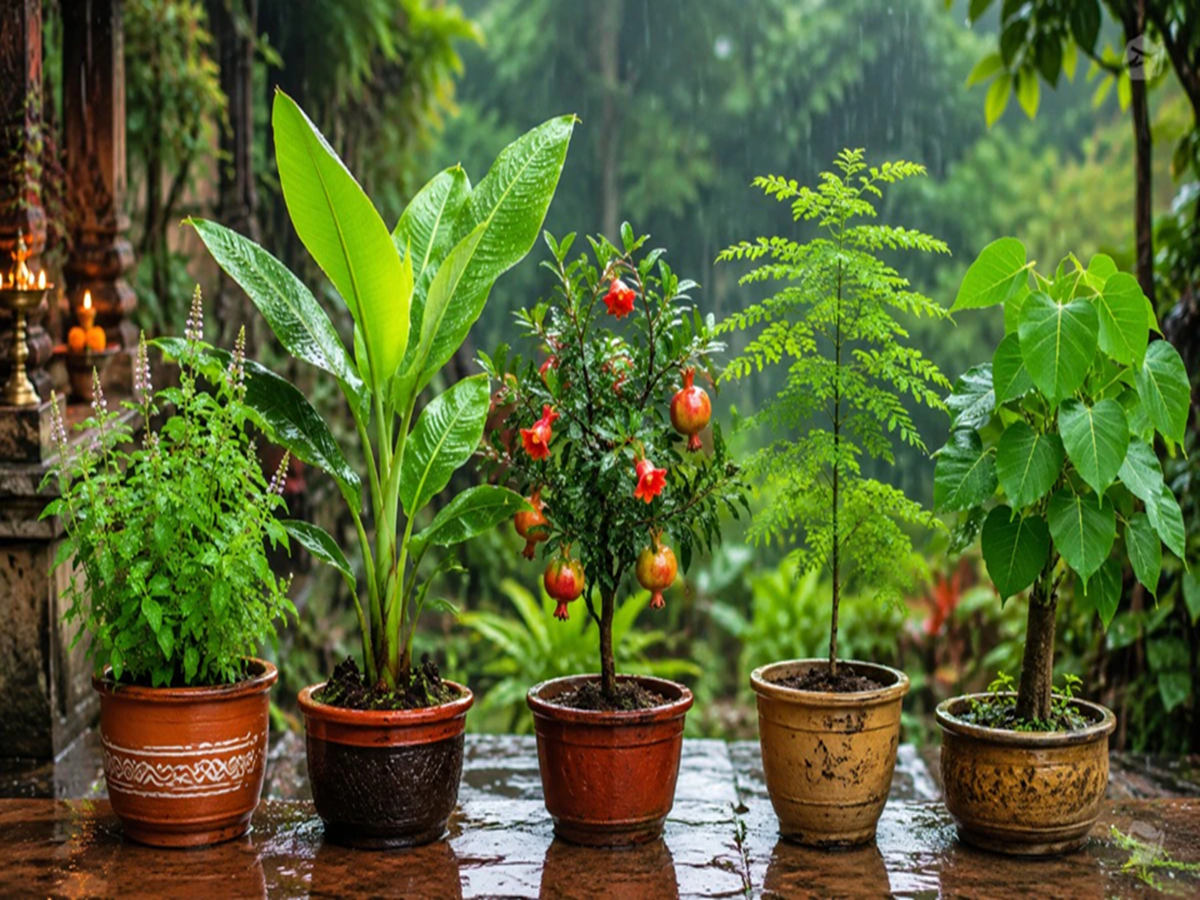
Sawan Plant Remedies 2026: The month of Sawan is considered the most sacred time for devotion to Lord Shiva and for connecting with nature. During this period, rituals, *Jalabhishek* (offering water to the deity), and tree plantation hold special significance. According to religious beliefs, planting certain specific plants during Sawan boosts positive energy in the home and invites the blessings of Lord Shiva and Lord Shani. It is believed that planting five specific plants—including Belpatra, Shami, and Aparajita—during this holy month fosters positivity and attracts the grace of Lord Shiva and Lord Shani. Additionally, it helps alleviate planetary afflictions (*Graha Dosh*) and provides relief from troubles. Let us explore the religious significance of planting these plants during the month of Sawan.
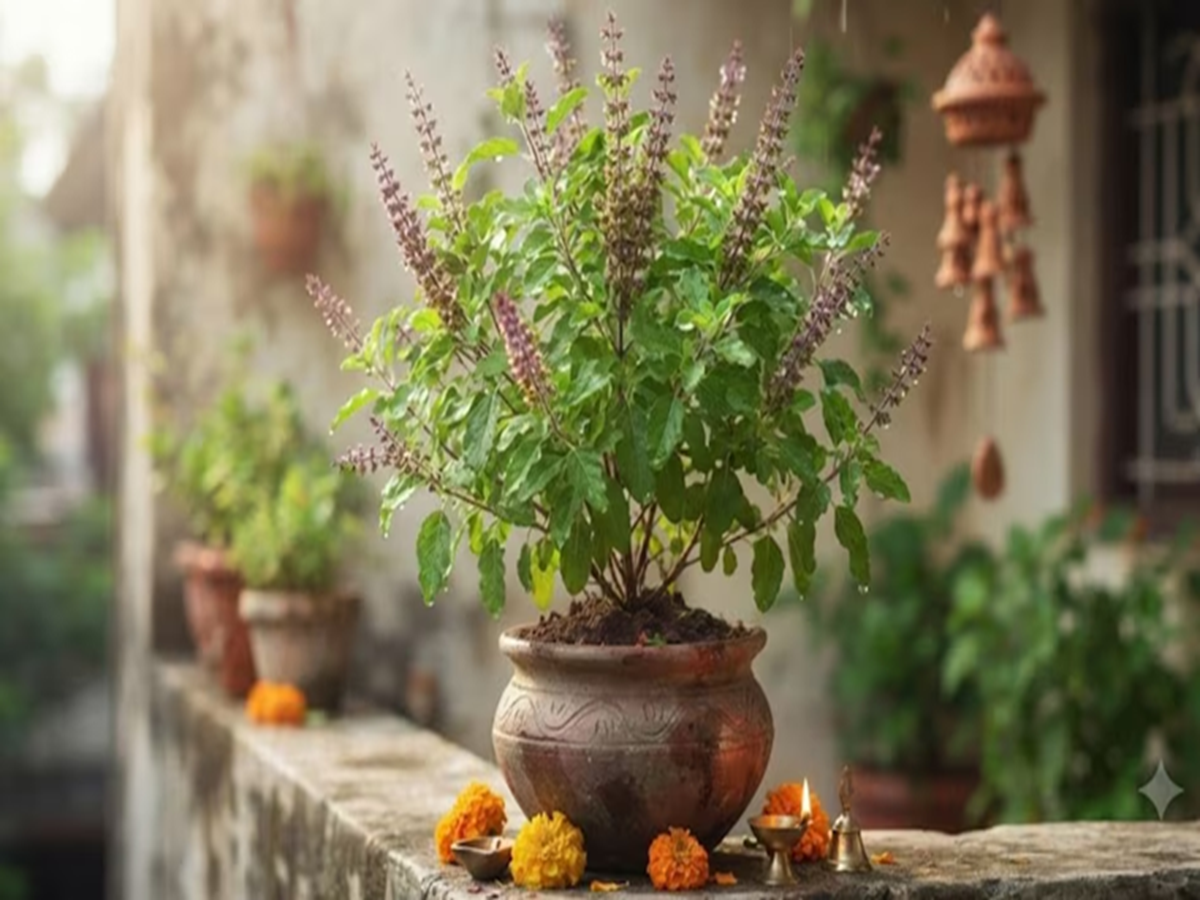
Significance of Planting the Belpatra Plant
The Belpatra plant is considered extremely dear to Lord Shiva. Offering Belpatra leaves to the *Shivling* is believed to fulfill wishes and cleanse one of sins. Planting a Bel plant near one's home or a temple during Sawan is said to bring happiness, peace, and prosperity. Its three-leaf structure symbolizes Lord Shiva's third eye and the *Tridev* (the Holy Trinity).
Significance of Planting the Shami Plant
The Shami plant is associated with Lord Shani. According to astrological beliefs, planting and regularly worshipping the Shami plant can mitigate *Shani Dosh* (Saturn-related afflictions), financial troubles, and obstacles in one's endeavors. Planting a Shami plant during Sawan is considered especially auspicious, as it is believed to invoke the blessings of both Lord Shiva and Lord Shani.
Significance of Planting the Tulsi Plant
In Hinduism, the Tulsi plant is revered as a manifestation of Goddess Lakshmi. Planting Tulsi at home purifies the atmosphere and maintains positive energy. Planting Tulsi during Sawan is believed to bring happiness, prosperity, and mental peace to the family. Regular worship and the lighting of a lamp (*diya*) near the Tulsi plant strengthen the spiritual atmosphere of the home.
Significance of Planting the Aparajita Plant
The Aparajita plant is considered a symbol of Goddess Shakti and victory. Its blue or white flowers are used in religious rituals and worship. It is a religious belief that planting *Aparajita* during the month of *Sawan* dispels negative energy and inspires success in one's endeavors. Beyond enhancing the beauty of the home, this plant holds spiritual significance.
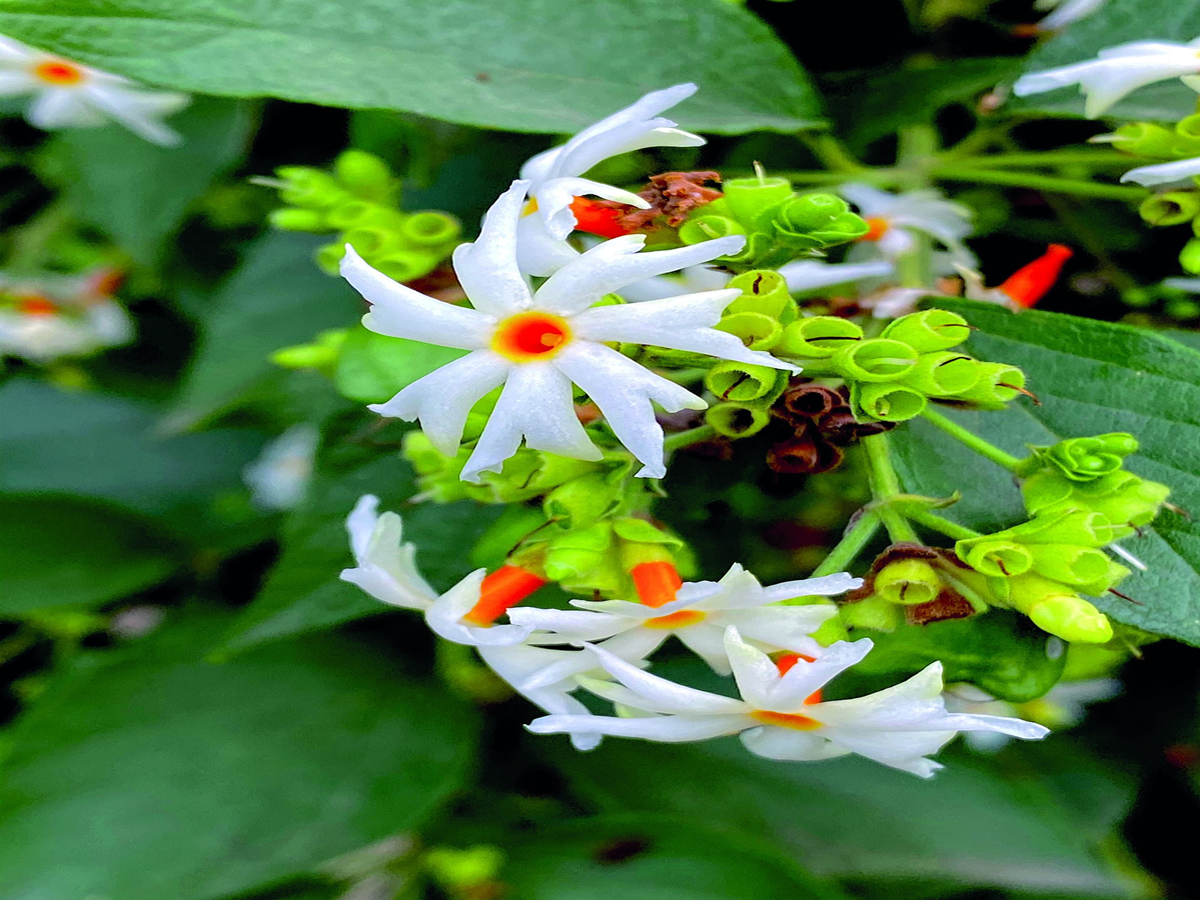
Significance of Planting *Harsingar*
The *Harsingar* plant—also known as *Parijat*—is believed to be associated with both Lord Vishnu and Lord Shiva. Its fragrant flowers are considered highly auspicious for worship. Planting *Harsingar* during *Sawan* is believed to foster peace, harmony, and a positive atmosphere within the home. Its fragrance is also thought to help keep the mind calm and cheerful.
PC Social Media