LIFESTYLE
Pitru Paksha 2026: Who will perform Pind Daan if there is no offspring? Find out who has the right..
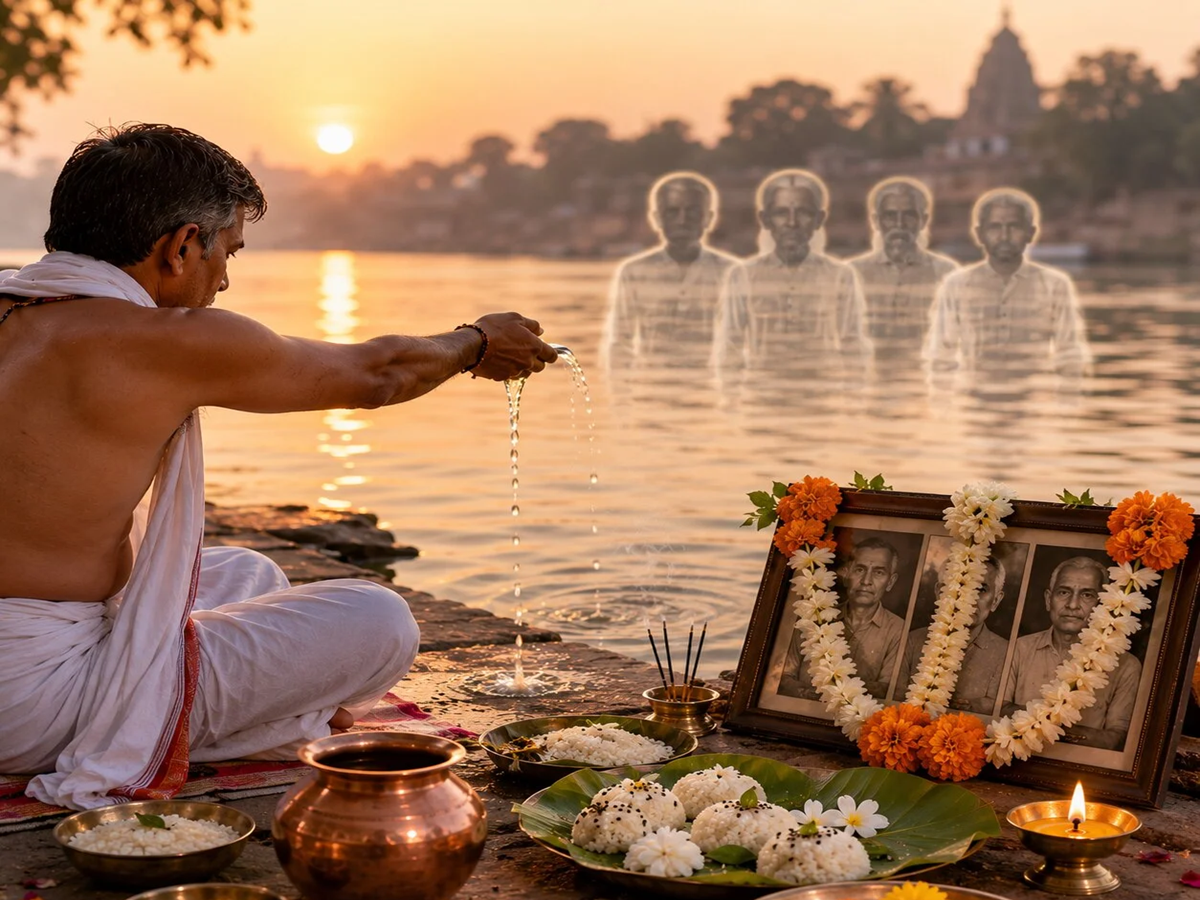
The *Pitru Paksha Mahasangam* (a major pilgrimage event dedicated to ancestors) begins on September 25. During this period, hundreds of thousands of pilgrims from across the country and abroad will arrive in Gaya-ji, Bihar, to perform *Pind Daan* for their ancestors. It is believed that offering even a single grain of food—no larger than a leaf of the *Shami* tree—at the Vishnupad temple in Gaya-ji leads to the salvation of seven *gotras* (lineages) and 101 generations of the family.
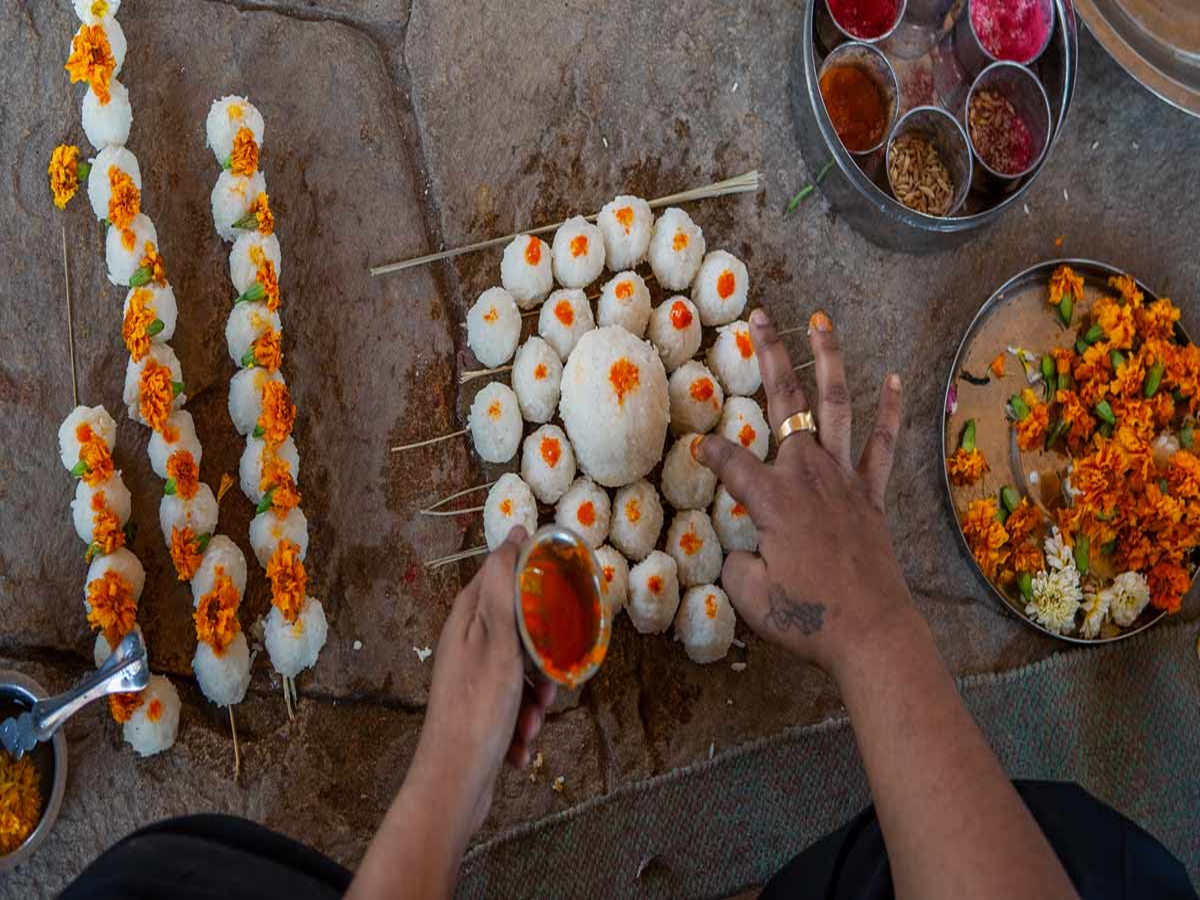
**Pind Daan and Tarpan on the Banks of the Falgu River**
It is believed that performing *Pind Daan* and *Tarpan* on the banks of the Falgu River grants ancestors the highest state of liberation (*Moksha*) and leads to the salvation of seven generations of the family, including one's parents. Additionally, the person performing the ritual also attains the ultimate spiritual state. In many families, a situation arises where a deceased couple has no son or daughter, leaving family members wondering who can perform the *Pind Daan* in Gaya-ji.
**What Do the Ritual Priests Say?**
Chandan Kumar Kaushik, a ritual priest (*Karmakand Brahmin*) in Gaya-ji, explains that if a person (man or woman) passes away without offspring, various family and religious traditions allow the surviving spouse—wife or husband—to perform the *Shraddha* rituals. If the deceased has no children but a brother is alive, the brother can perform the *Pind Daan*.
**…Then the Nephew Can Perform the Shraddha-Pind Daan**
If the deceased has no children and no brother is available, a nephew can perform the *Shraddha-Pind Daan* in accordance with family traditions. Depending on the circumstances, other close relatives may also perform the rituals. Some traditions even allow for relatives such as a sister's son (*bhanja*) to conduct these religious rites. If no such family member is available to perform the *Pind Daan*, the ritual can be conducted in Gaya-ji with the help of a priest, following the prescribed *Sankalp* (solemn vow) and established procedures.
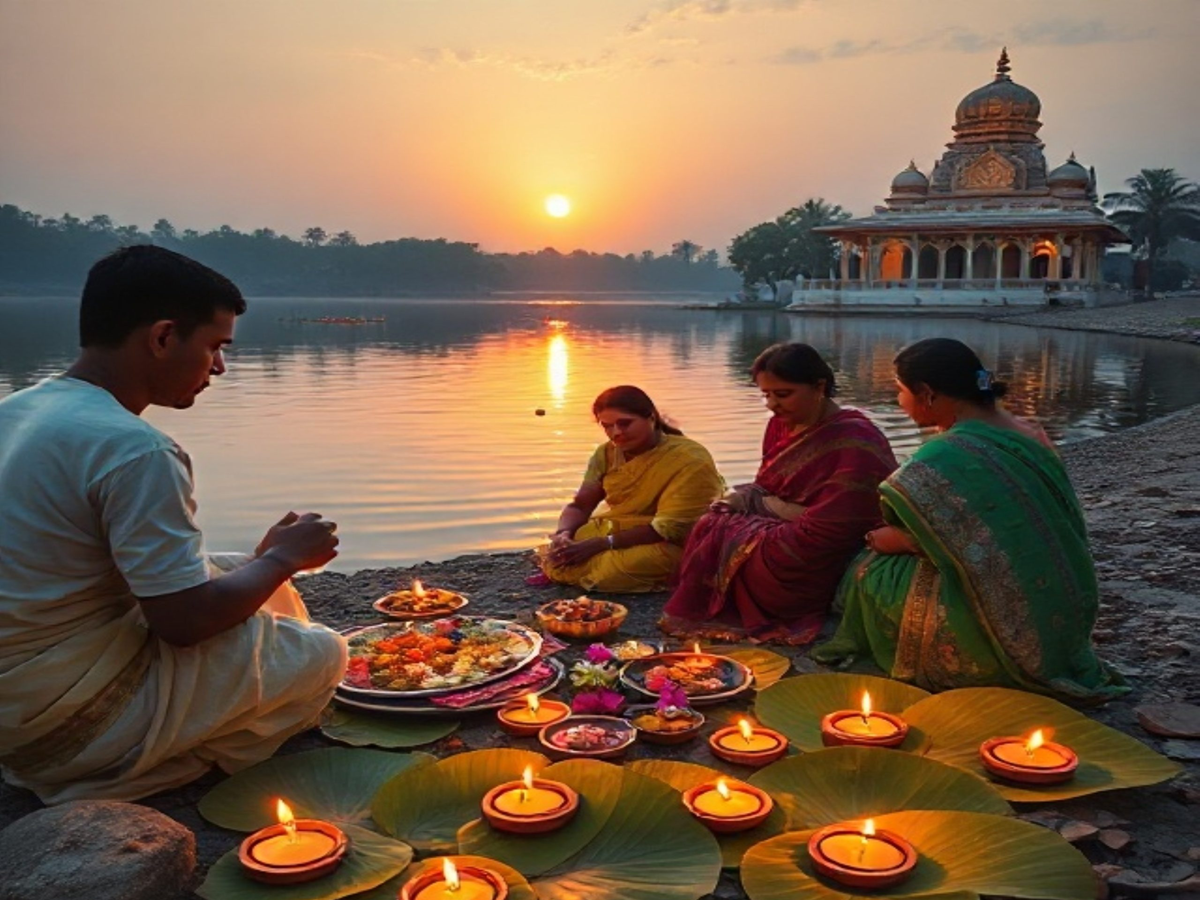
**One Can Also Perform One's Own Pind Daan**
He noted that Hindu religious traditions also include a unique practice where a person performs *Pind Daan* for themselves while still alive; this is commonly known as *Jivit-Pind Daan* or *Atma-Pind Daan*. However, after performing one's own *Pind Daan*, it is mandatory to adhere to specific rules and regulations. According to this belief, individuals who perform their own *Pind Daan* while still alive must live apart from worldly life. They are required to reside on the banks of a river and cook their own food. They must adhere to this rule for as long as they remain alive.
PC Social Media