LIFESTYLE
Pitru Paksha 2026: Shraddh begins today; note the essential rules and precautions for these 15 days..
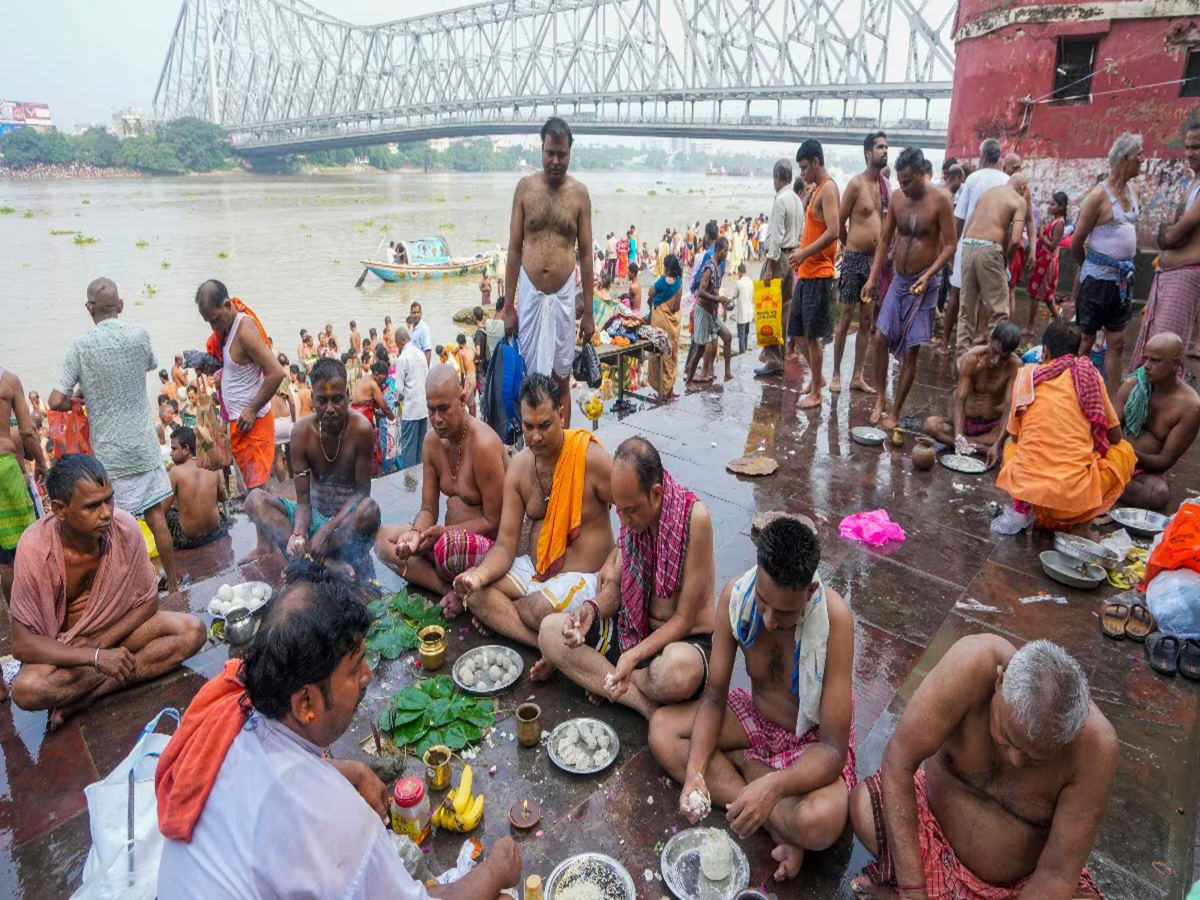
Pitru Paksha begins today, September 26, 2026. These 15 days hold great significance in Hinduism, as it is believed that during this period, our ancestors visit Earth to be among their families. There is a prescribed ritual of performing *Tarpan* (offering water) and *Pind Daan* (offering rice balls) during these days to seek the blessings of one's ancestors and pray for the peace of their souls.
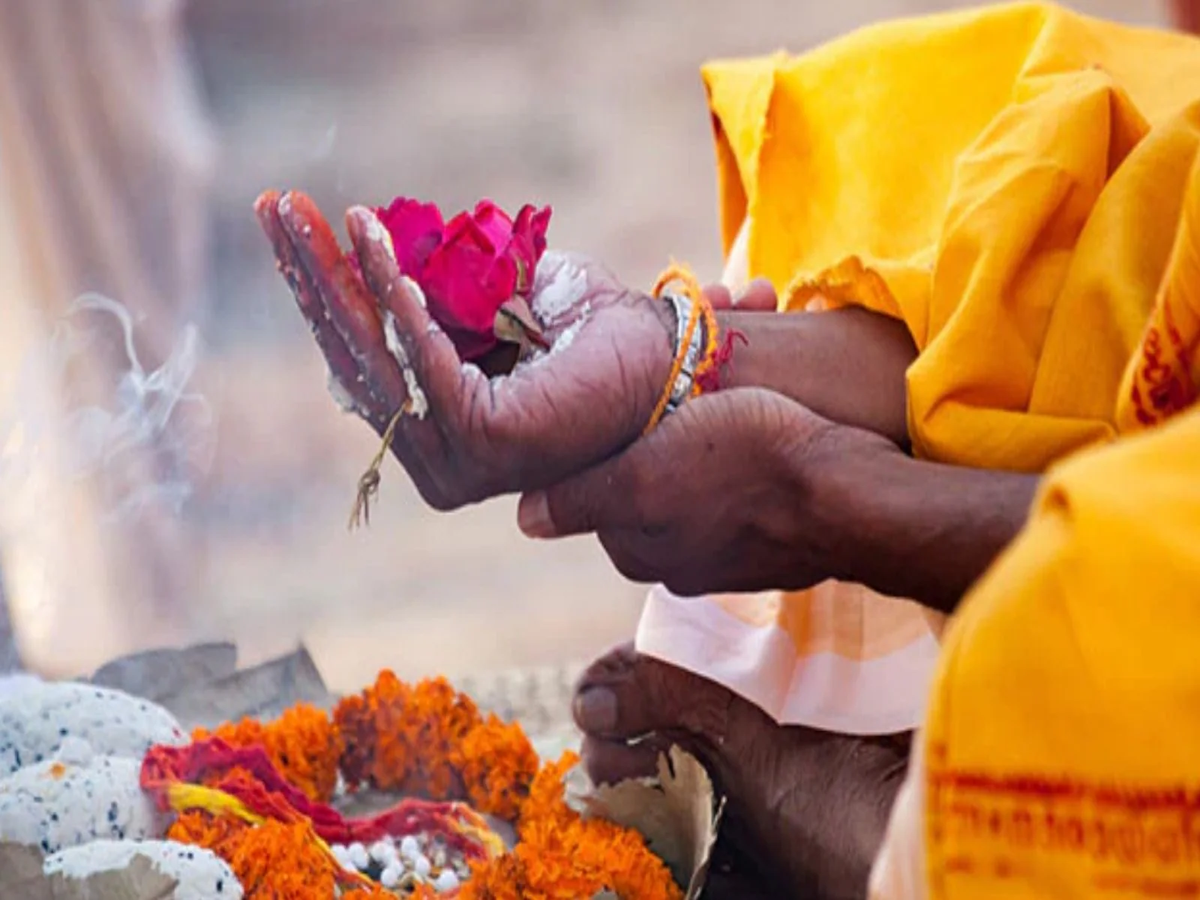
However, the *Shraddh* ritual is considered truly successful only when performed with the correct observance of rules and deep reverence. In this article, let us explore the guidelines one should follow during these 15 days.
**Dietary Practices and Family Traditions (*Kulachar*) during *Shraddh***
The purity of food is of utmost importance during Pitru Paksha. Throughout these 15 days, only *Sattvic* food (prepared without onion or garlic) should be cooked at home. Lentils, rice, green vegetables, and simple meals are considered ideal. One must completely abstain from meat, alcohol, and excessively spicy or pungent foods. Ingredients such as milk, ghee, honey, barley, and sesame seeds should essentially be included in the *Shraddh* meal. The person cooking the food should enter the kitchen only after bathing and ensuring complete cleanliness.
However, every family in India has its own distinct traditions (*Kulachar*). For instance, in regions like Bengal, Assam, or parts of South India, there is a custom—based on family rules—of offering the ancestors their favorite non-vegetarian dishes or fish. This practice stems from the belief that the food they enjoyed while alive should be offered to them during the *Shraddh* ritual.
**The Right Time and Place for Performing *Shraddh***
*Tarpan* or *Shraddh* rituals should always be performed during the afternoon. These rites should never be conducted at sunset. While performing the rituals, one should face south, as this direction is associated with the ancestors. It is also important to ensure that the *Shraddh* ceremony is performed on one's own land, at a temple, or on the banks of a holy river. Performing the *Shraddh* ritual at someone else's home is not considered appropriate. The use of black sesame seeds and *Kusha* (a sacred grass) is considered essential while performing *Tarpan* (offering water to ancestors).
**What is the significance of *Brahmin Bhoj* and *Panchabali*?**
On the day of *Shraddh*, invite at least three Brahmins to your home and serve them a *Sattvic* (pure, vegetarian) meal with utmost respect. Bid them farewell only after offering *Dakshina* (donations such as clothes or grains), as the *Shraddh* ritual remains incomplete without such offerings. Additionally, ensure a portion of the food is set aside for deities, cows, dogs, crows, and ants. This practice is known as *Panchabali* and is believed to be a means of conveying the food offering to the ancestors.
**What should be avoided during these 15 days?**
One should strictly refrain from cutting hair, shaving, or trimming nails during *Pitru Paksha*. Since this is not a time for new beginnings, auspicious activities (such as weddings, *Mundan* ceremonies, or housewarming), major purchases, or long journeys should be postponed. Maintain a peaceful atmosphere at home; discord, quarrels, and anger can cause ancestors to return disappointed.
**Important Vastu guidelines**
People often place photographs of their ancestors in the prayer room, bedroom, or the center of the house, which is considered incorrect according to *Vastu* principles. Ancestral photographs should always be placed on the southern or south-western wall of the house. Furthermore, throughout these 16 days, light a lamp filled with mustard or sesame oil at the main entrance every evening after sunset, facing towards the south.
**What should be done during *Pitru Paksha*?**
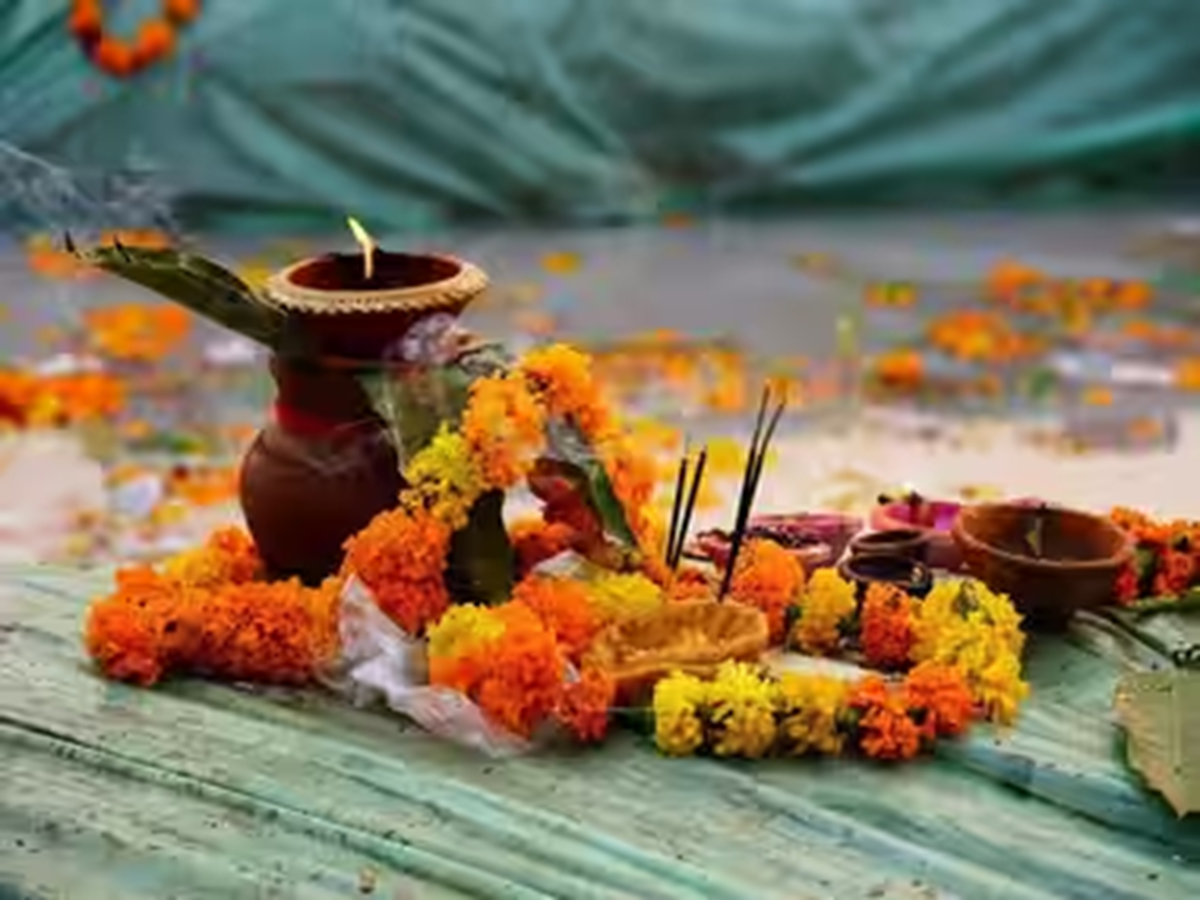
During these 15 days, while observing *Sattvic* living and celibacy in thought, word, and deed, one should regularly perform *Tarpan* for the ancestors using water mixed with *Kusha* grass and black sesame seeds. On the anniversary of an ancestor's passing, perform the *Shraddh* and *Pind Daan* rituals in the afternoon, strictly adhering to the prescribed Vedic procedures. After this, invite a Brahmin to your home, serve them a *sattvic* meal with respect, and donate grains, clothing, or *dakshina* (offering) according to your means. During this time, do not turn away empty-handed any animal, bird, or destitute person who comes to your doorstep; it is believed that ancestors may appear in any form to bestow their blessings.