LIFESTYLE
Pitru Paksha 2026 Rules: When should the tonsure ceremony be performed for ancestors during Pitru Paksha?
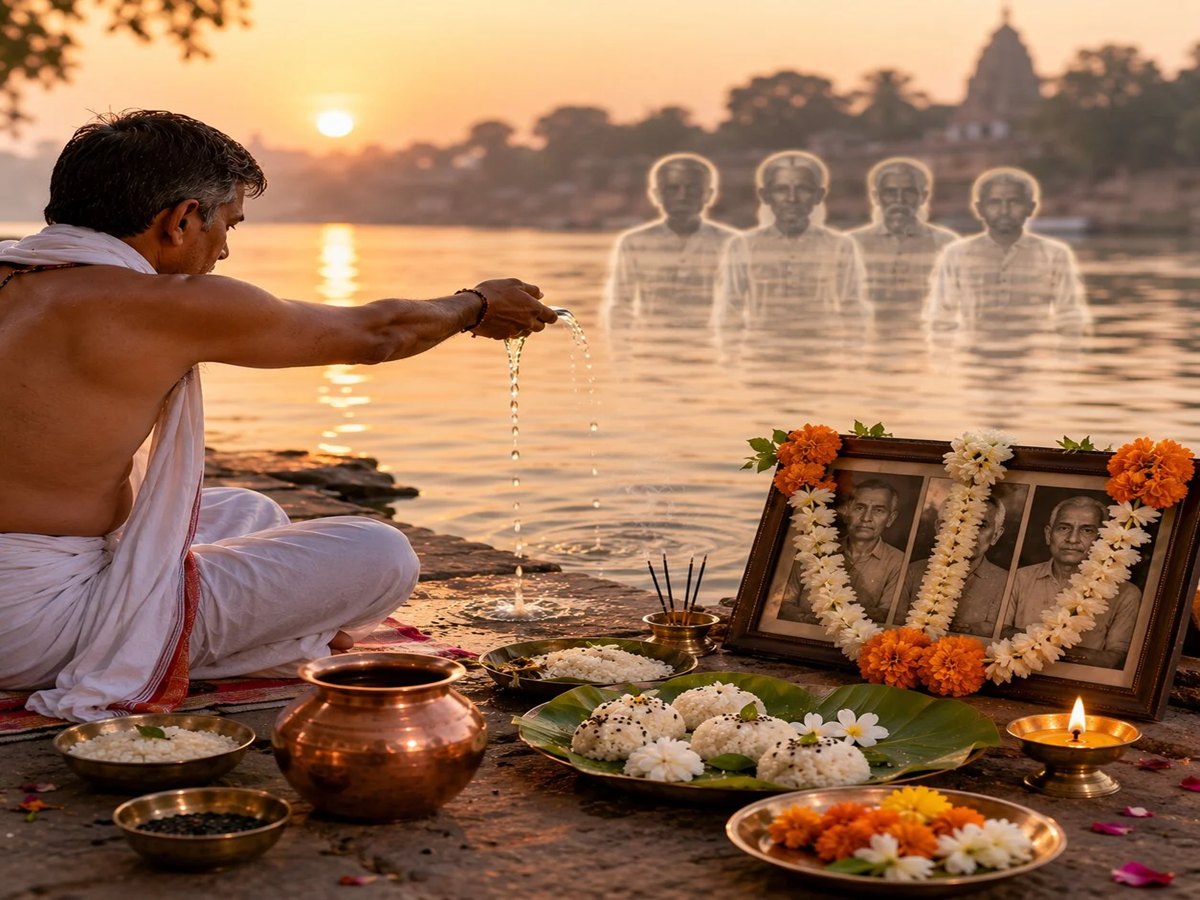
Pitru Paksha 2026 Rules: Pitru Paksha begins on Sunday, September 27. However, in many places, Purnima Shraddh falls on September 26. There are certain rules associated with Pitru Paksha that everyone should observe; following them pleases the ancestors and brings their blessings. You may have noticed people shaving their heads on the specific date of their ancestor's Shraddh during this period. At the same time, some people are unsure whether they should perform *Tarpan* and *Shraddh* for their ancestors during Pitru Paksha if a son or daughter has been married earlier that year. Let us find out what the scriptures say about this from Astrologer Pt. Rakesh Pandey of Lucknow.
**Rules regarding head shaving (Mundan) during Pitru Paksha**
According to Astrologer Pandey, one should not shave one's head for the sake of the ancestors either at the start of the *Shraddh Paksha* or during the period between *Pratipada* (the first day) and *Sarvapitri Amavasya*. The scriptures do not sanction this practice.
The *Dharmasindhu* states that if one shaves one's head on the *Shraddh* date during Pitru Paksha, the hair falls into the mouths of the ancestors. To avoid this, one should get the head shaved either the day before Pitru Paksha begins or during the afternoon on *Sarvapitri Amavasya*.
If you have been shaving your head on the *Shraddh* date until now, it was likely due to a lack of knowledge; you should not do so henceforth.
**Should Shraddh be performed during Pitru Paksha if a wedding has taken place at home?**
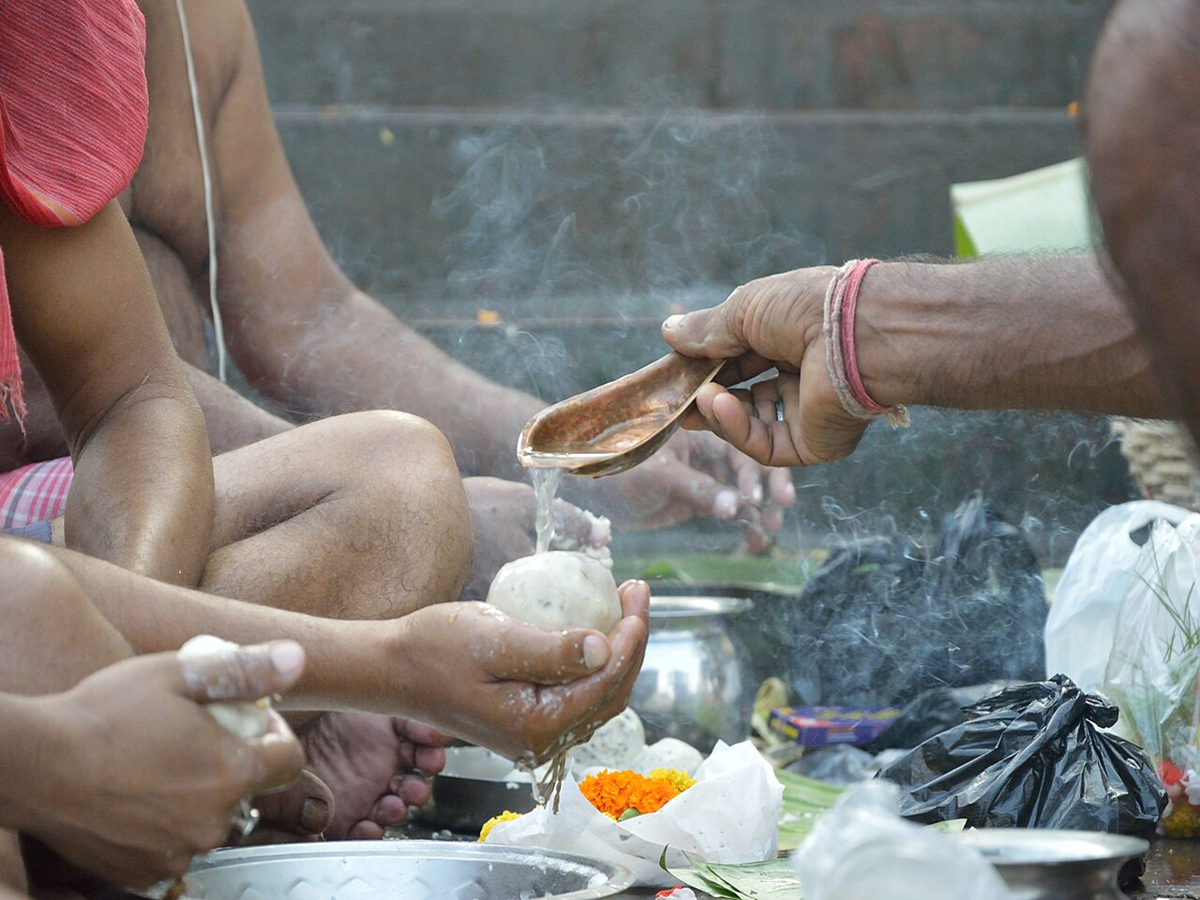
People often face confusion regarding this matter as well. Addressing this question, Astrologer Pandey states that even if you have conducted the marriage of your son or daughter this year, you must certainly perform rituals such as *Tarpan*, *Pind-daan*, and *Shraddh* for your ancestors during Pitru Paksha. There is a common misconception that if a wedding or an auspicious ceremony has taken place in the home, one should not perform *Shraddh* rituals—such as donating food, water, or clothing—for one's ancestors during *Pitra Paksha*, believing it to be inauspicious. However, according to the author of the *Nirnayasindhu*, rituals honoring ancestors are considered excellent and essential alongside all auspicious activities.
Therefore, you should cast aside any apprehensions or fears of inauspiciousness and perform the *Shraddh* rituals for your ancestors during *Pitra Paksha*.
**Ancestors Do Not Forgive Neglect**
Before auspicious ceremonies like the sacred thread ceremony (*Janeu*) or weddings, the *Nandimukh Shraddh* is invariably performed. The purpose of this is to ensure there are no obstacles to the auspicious event taking place at home. Since *Pitra Paksha* occurs only once a year, it is crucial to ensure that ancestors are satiated.
It is said that while errors made during the worship of gods and goddesses may be forgiven, shortcomings or negligence in rituals honoring ancestors lead to *Pitra Dosh* (ancestral affliction). This displeases the ancestors, causing the family to suffer from illness, grief, and other hardships.
**Perform *Shraddh* on *Sarvapitra Amavasya* If the Date is Unknown**
Those who do not know the specific dates of their ancestors' passing should perform *Tarpan* (offering water), *Pind Daan* (offering rice balls), and *Shraddh* rituals for them on *Sarvapitra Amavasya*.
**Observe *Pitra Paksha* Joyfully**
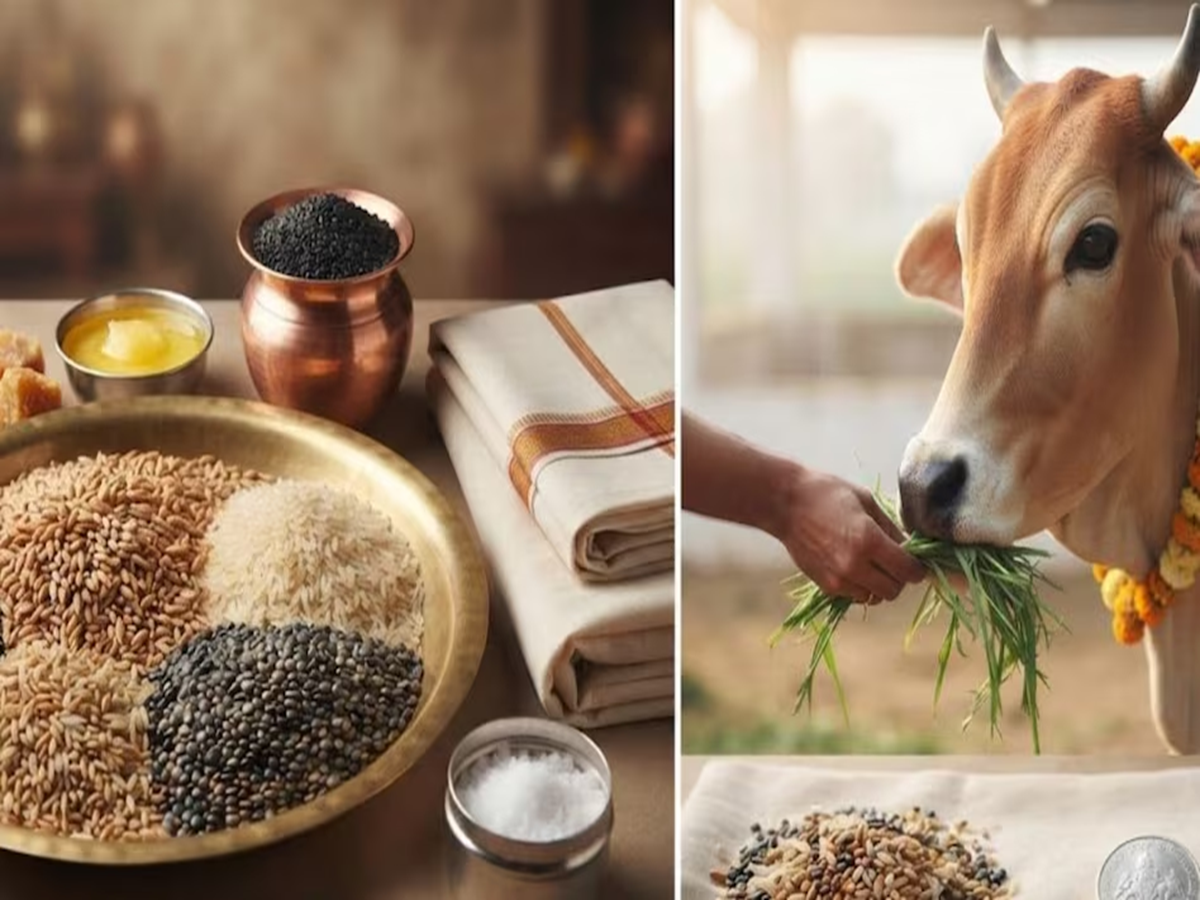
*Pitra Paksha* is a time to honor and satisfy one's ancestors; there is no need for sorrow during this period. You should observe *Pitra Paksha* with joy. The scriptures declare, "*Matru Devo Bhava, Pitru Devo Bhava*"—meaning there is no deity greater than one's mother and father. Their blessings bring all forms of happiness. During *Pitra Paksha*, perform *Tarpan* for them daily and *Pind Daan* on the specific date of their passing. Donate food and clothing as well.
PC Social Media