LIFESTYLE
Pitru Paksha 2026: Perform Shraddh at home without a priest and with minimal materials—learn the simple method..
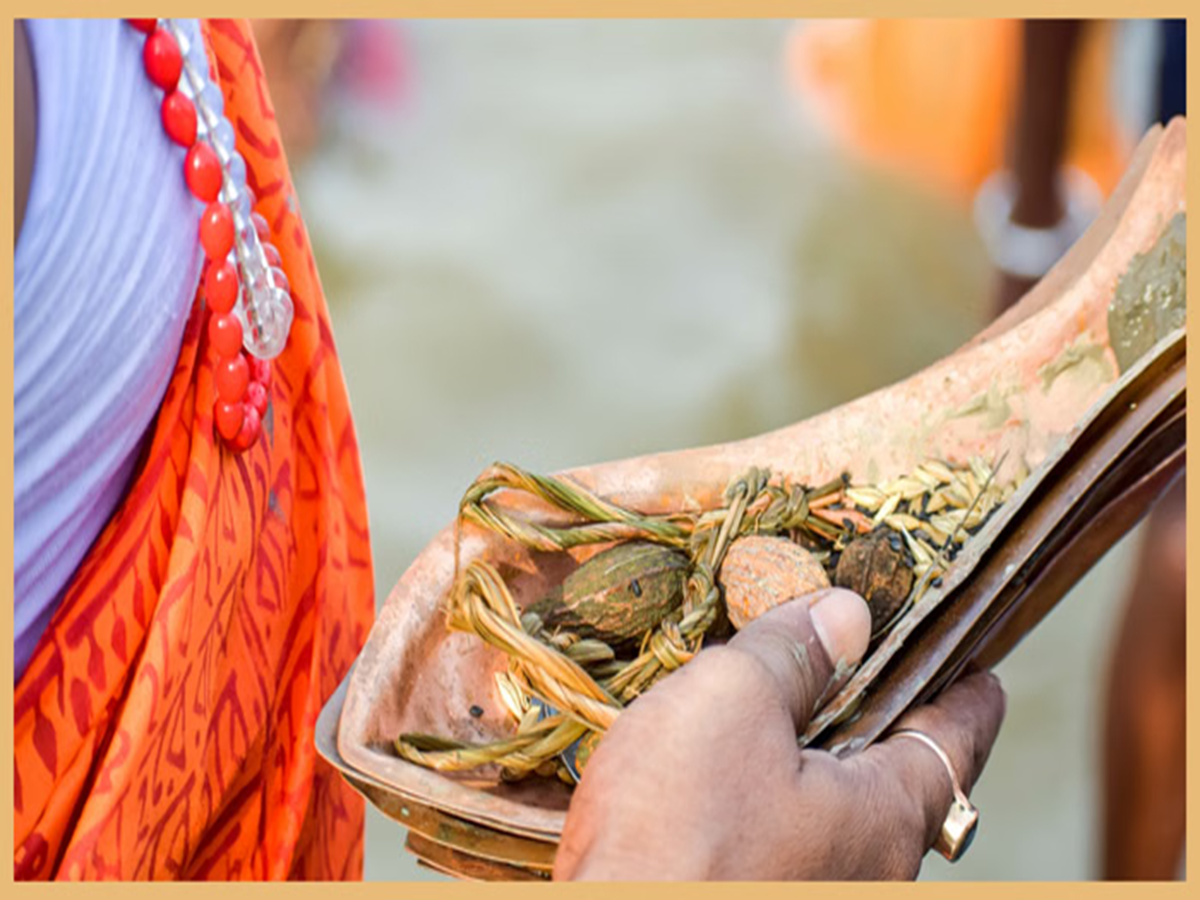
Pitru Paksha is considered a time to honor, express gratitude to, and remember one's ancestors. During this period, people perform *Shraddha* (ritual homage), *Tarpan* (offering of water), and acts of charity based on the specific lunar dates associated with their ancestors. Sometimes, situations arise where a priest (*Pandit*) is unavailable to conduct the *Shraddha*, or it is not possible to gather all the materials required for the ritual. In such cases, people wonder how to perform the rites for their ancestors. While religious traditions emphasize the importance of detailed *Shraddha* procedures and specific mantras, if the full ritual is not feasible for any reason, one can still remember the ancestors and offer water (*Tarpan*) and food (*Anna Arpan*) in a simple manner, in accordance with family traditions. Let us explore what simple rituals can be performed at home during Pitru Paksha.
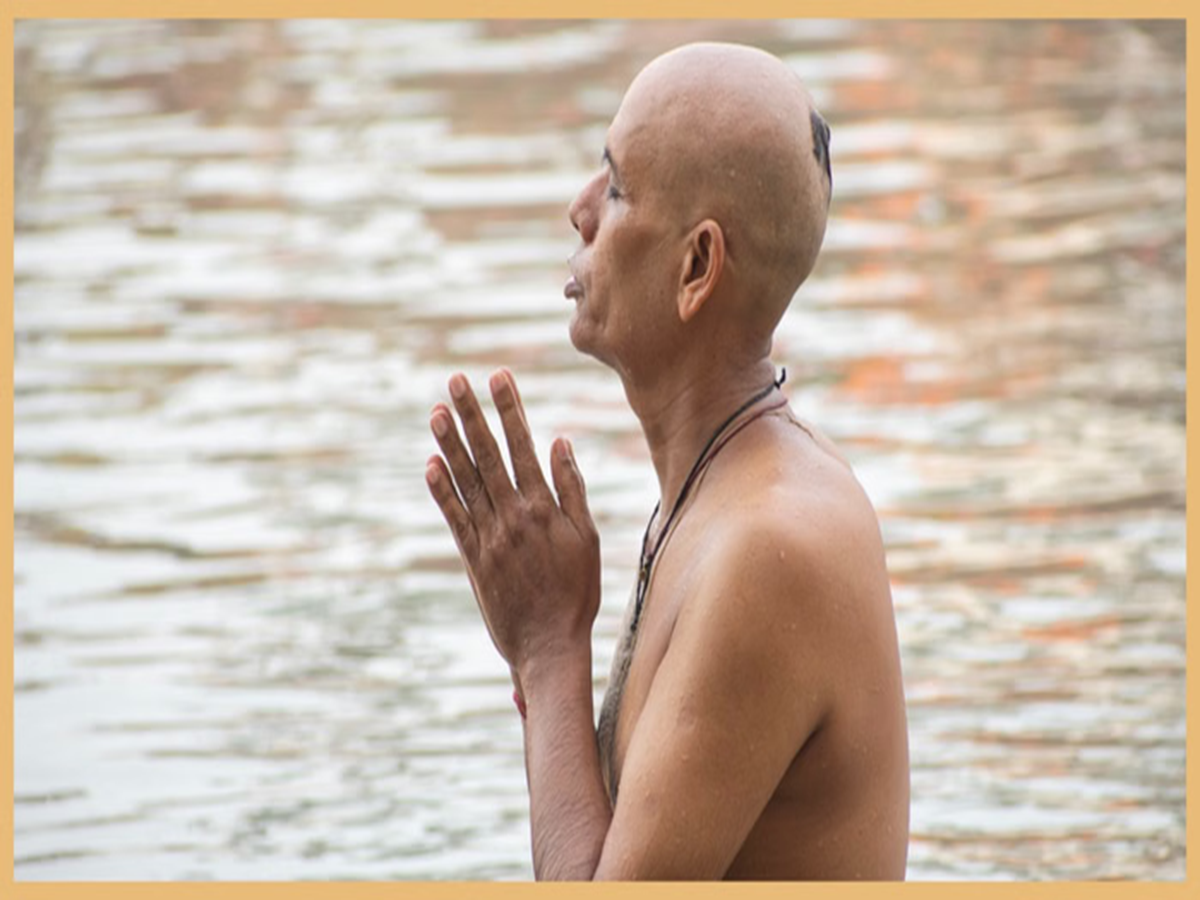
When does Pitru Paksha 2026 begin?
According to the *Panchang* (Hindu almanac), Pitru Paksha in 2026 will commence on Saturday, September 26, with *Purnima Shraddha*. Following this, *Pratipada Shraddha* will begin on September 27, and the *Shraddha* rites for ancestors will be performed according to their respective dates. Pitru Paksha will conclude on Saturday, October 10, 2026, with *Sarvapitri Amavasya*. Many families follow the tradition of performing *Shraddha* on *Sarvapitri Amavasya* for ancestors whose specific death anniversary dates are unknown.
What to do if a priest is unavailable?
While it is considered appropriate to seek the assistance of an *Acharya* or priest for the detailed Vedic or traditional *Shraddha* rituals, one can perform a simple *Tarpan* while remembering the ancestors with devotion if a priest is unavailable. To do this, bathe in the morning, wear clean clothes, and sit in a clean, quiet place in your home. Mentally recall the ancestor you wish to honor and express your reverence for them. Subsequently, you may offer water in accordance with your family traditions. If possible, prepare *Sattvic* food (pure, vegetarian food) at home on this day and set aside a portion of it as an offering for the ancestors.
How to perform *Tarpan* with minimal materials?
If you do not have all the ritual materials available for the *Shraddh* ceremony, there is no need to worry.
Clean water and black sesame seeds can be used for a simple *Tarpan* (water offering).
Take water in a clean vessel and add some black sesame seeds to it.
Then, while remembering your ancestors, offer the water with reverence.
Those who know the traditional *mantra*-based *Tarpan* procedure may follow it according to their family customs.
How to perform a simple *Shraddh* at home?
On the day of *Shraddh*, bathe in the morning and prepare a clean space for the *Puja* or *Tarpan*.
Meditate on your ancestors with a calm mind and recall their names and their relationship to your family.
Afterward, perform *Tarpan* using water mixed with black sesame seeds.
If your family tradition includes *Pind Daan* (offering of rice balls) and the necessary materials are available, you may prepare the *Pind* according to that custom.
In many traditions, ingredients such as rice, sesame seeds, barley, milk, ghee, or honey are used to prepare the *Pind*.
However, since the procedure varies across families, it is best to use ingredients according to your own family tradition.
Offer food and charity in the name of your ancestors
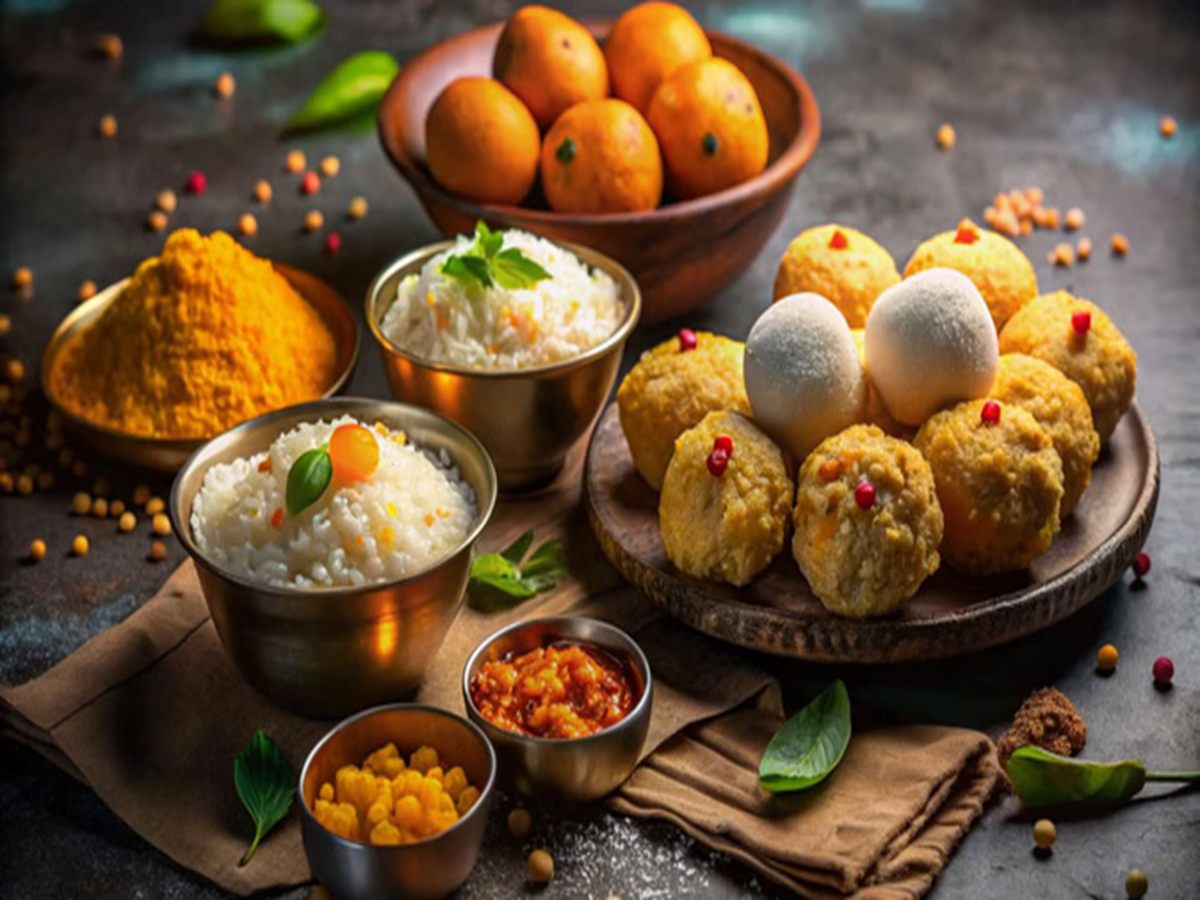
There is a tradition of preparing *Sattvic* (pure, vegetarian) food at home on the day of *Shraddh* and offering it for the sake of the ancestors.
Many families have a custom of offering a portion of the food to a cow, a crow, or a dog.
If your household follows such a practice, you may observe it.
Additionally, one can feed a needy person or donate food grains.
Items such as rice, flour, lentils, fruits, clothing, or other daily necessities—according to one's means—can be given in charity.
Is it valid to perform *Shraddh* without a priest?
Traditional *Shraddh* rituals may involve *Sankalp* (solemn vow), *Mantras*, *Pind Daan*, *Tarpan*, and other religious procedures. In such cases, it is considered best to seek the assistance of a qualified priest. However, if a priest is unavailable due to specific circumstances, one can still remember the ancestors with reverence, perform *Tarpan* with water, offer food, feed the needy, and engage in acts of charity.
PC Social Media