LIFESTYLE
Pitru Paksha 2026: Is the date or the day of the week more important for Shraddh? What to do if the date of death is unknown?
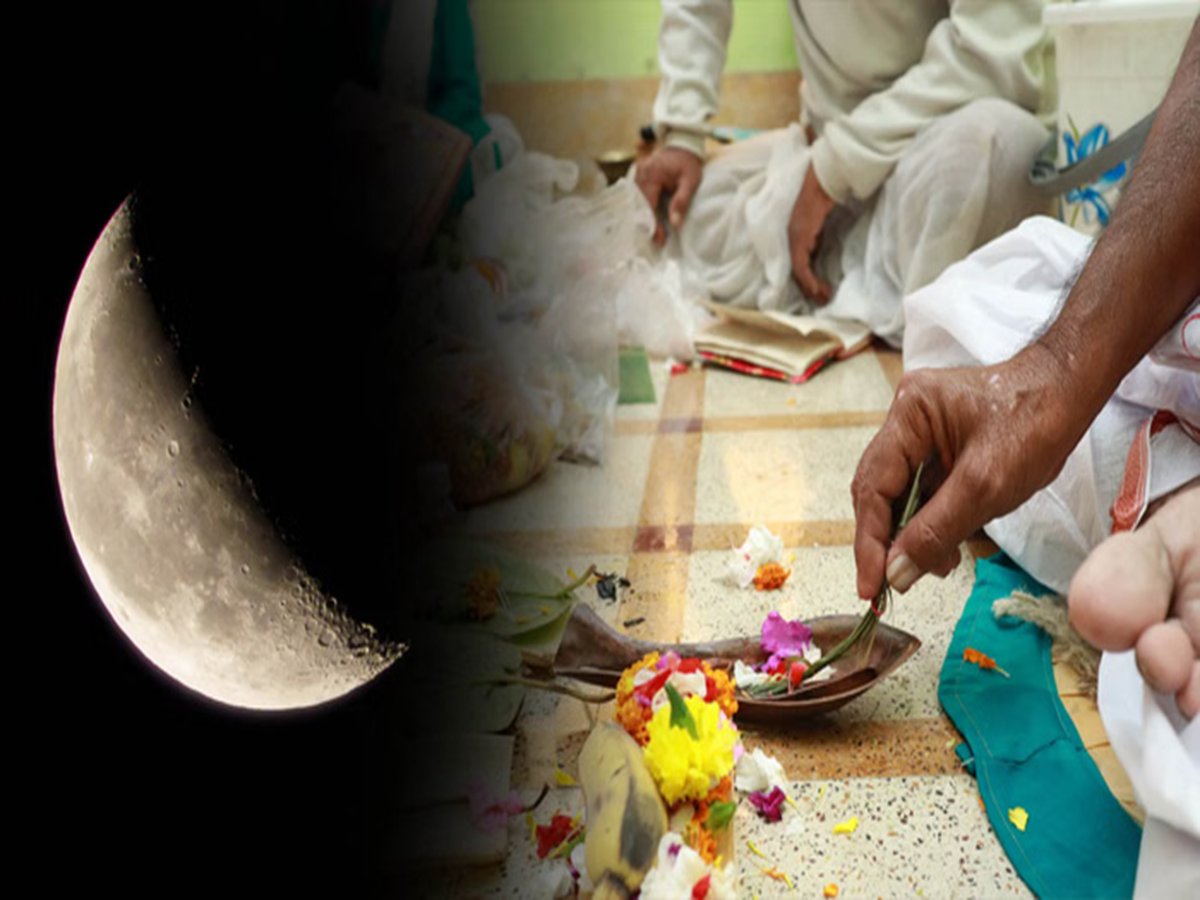
During Pitru Paksha, there is a tradition of performing *Shraddha*, *Tarpan*, and *Pind Daan* to express reverence and gratitude towards ancestors. In Hinduism, the specific date of death holds great significance for performing *Shraddha* rituals. Consequently, many people wonder whether the specific date of death is essential for *Shraddha*, or if the day of the week (such as Monday, Tuesday, etc.) is the deciding factor. Furthermore, families sometimes lack information regarding the exact date of an ancestor's death. In such cases, on which day should the *Shraddha* be performed? Let us find out.
**Date or Day of the Week: What is More Important for *Shraddha*?**
According to religious tradition, the lunar date (*Tithi*) of death is considered the primary basis for *Shraddha* rituals. The day of the week—such as Monday, Tuesday, or Wednesday—is generally not the main criterion for determining the *Shraddha* date. For instance, if a person passed away on the *Dashami Tithi* (tenth day) of *Krishna Paksha* (the dark fortnight), their *Shraddha* is performed on the *Dashami Tithi* during *Pitru Paksha*. Thus, knowing the specific lunar date of death is considered crucial for the ritual. However, *Shraddha* traditions may vary across different regions and families; therefore, one should also consider family customs and the local almanac (*Panchang*).
**What to Do If the Date of Death Is Unknown?**
Often, family members may not recall the exact date of an ancestor's death, or old records may be unavailable. Even in such situations, *Shraddha* rituals for ancestors can be performed. According to religious belief, *Sarvapitra Amavasya* is considered especially significant for ancestors whose date of death is unknown. Therefore, if the date of death is not known, it is customary to perform *Shraddha*, *Tarpan*, and other related rituals on the *Amavasya* (new moon day) of *Pitru Paksha*.
**What Is the Significance of *Sarvapitra Amavasya*?**
*Pitru Paksha* concludes on *Sarvapitra Amavasya*. On this day, all ancestors whose *Shraddha* could not be performed on their specific designated dates—for whatever reason—are remembered and honored. This day is also considered particularly important for ancestors whose date of death remains unknown. In 2026, Sarvapitri Amavasya will fall on October 10. On this day, one can perform *Tarpan* (offering water) and *Shraddha* rituals for ancestors with devotion.
Should *Shraddha* be performed on the same day of the week as the death?
If a person passed away on a Tuesday, it is not considered necessary to perform the *Shraddha* solely based on that day of the week. Priority is given to the lunar date (*Tithi*) of death. In other words, if the day of the week is known but the lunar date is not, determining the *Shraddha* date during *Pitru Paksha* based only on the day of the week is not considered appropriate. In such a situation, performing the *Shraddha* on Sarvapitri Amavasya, in accordance with family tradition, is considered a primary option.
What if the date is forgotten?
Sometimes, despite knowing the exact date of death, the family is unable to perform the *Shraddha* on that day. Even in such cases, specific dates during *Pitru Paksha* and Sarvapitri Amavasya are considered significant occasions. The *Shraddha* ritual can be performed after consulting a priest and following local traditions.
The importance of devotion in *Shraddha*
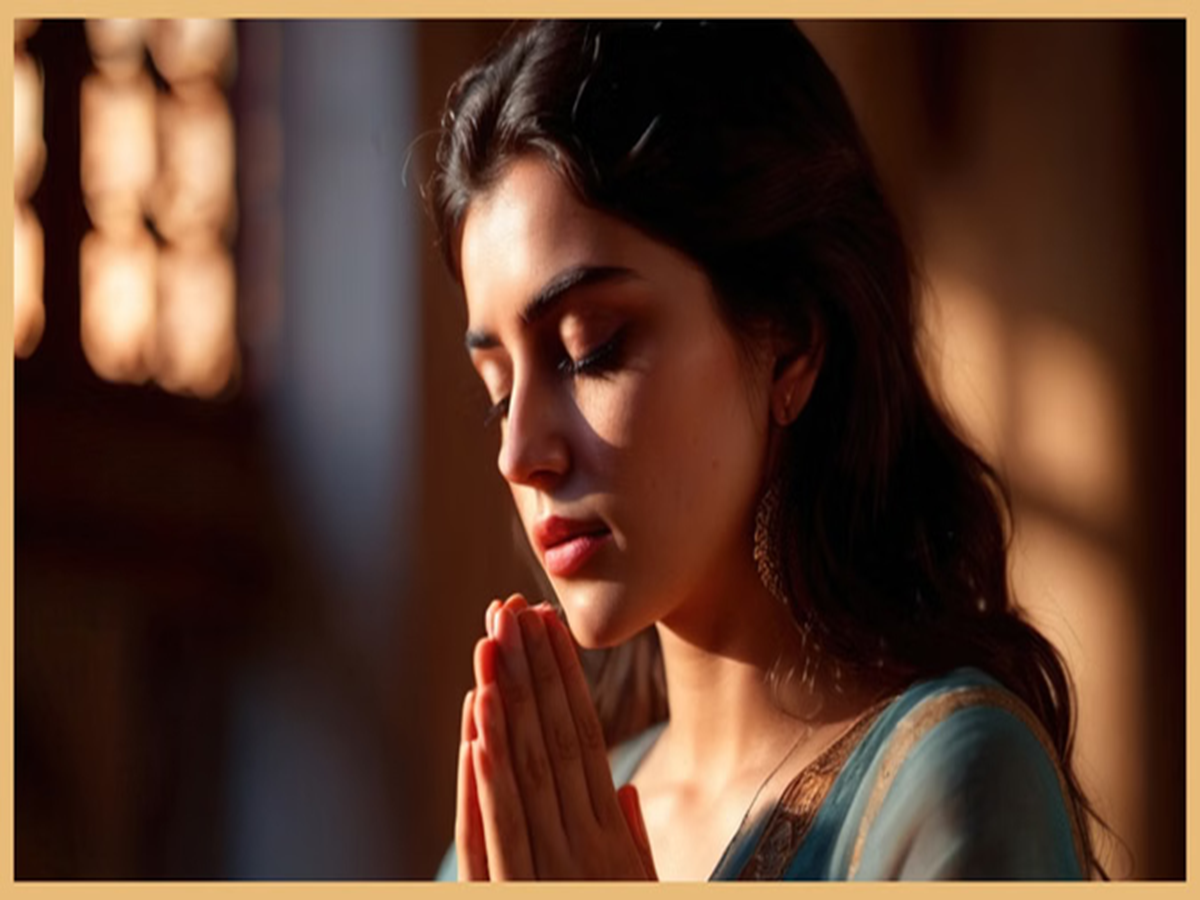
The essence of the *Shraddha* ritual is to remember one's ancestors and express respect towards them. While the lunar date and the specific ritual procedure hold religious significance, if accurate information is unavailable, the family should focus on remembering their ancestors according to their traditions rather than worrying.
PC Social Media