Parenting
Parenting: Why can't dads say "I love you"? Understand the psychology behind this behavior..

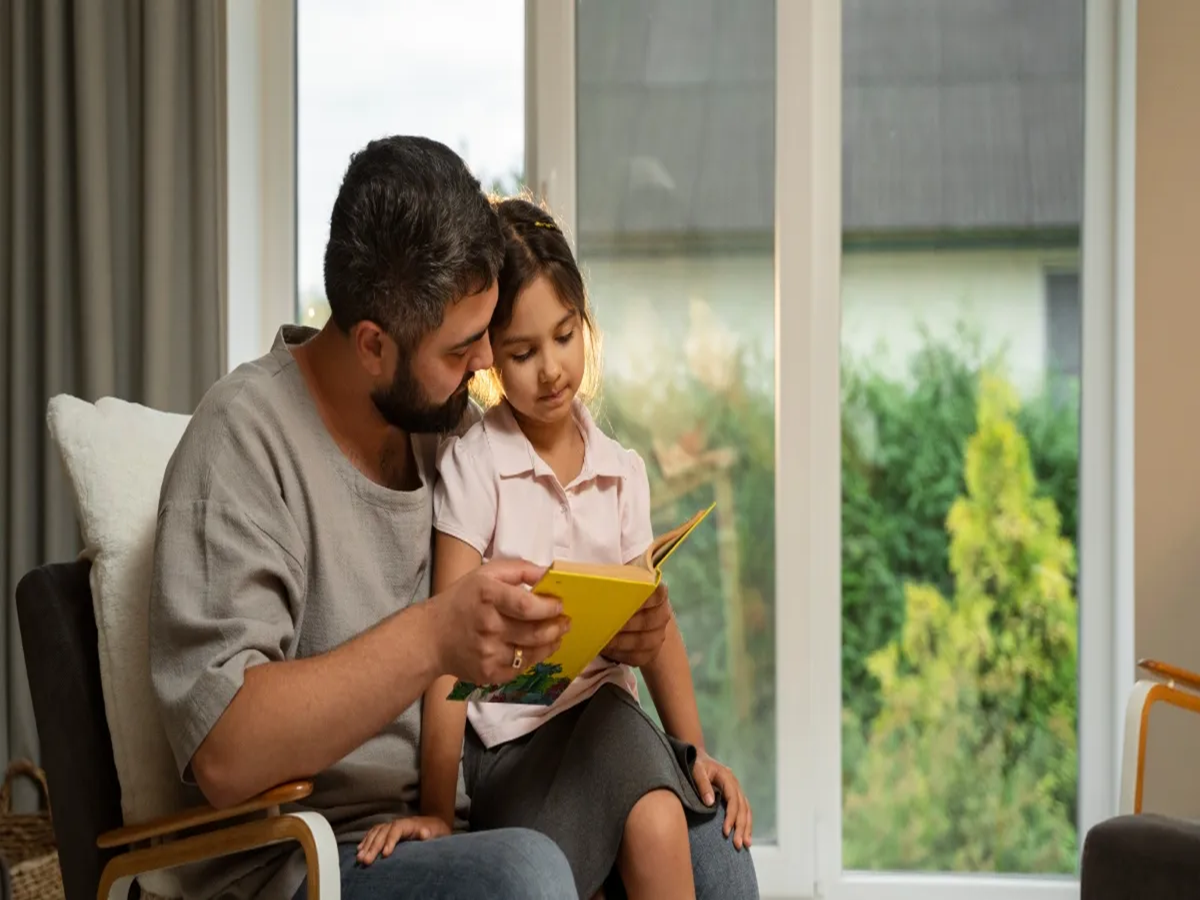
How Do Fathers Show Love Through Actions? "Mom expresses her love ten times a day, but why do Dad's feelings never come out openly?" This is a question that crosses the mind of almost every child at some point. In many households, a father is often equated solely with discipline, scolding, or a stern demeanor. However, psychology suggests that this silence does not stem from indifference. In reality, their love does not rely on words; instead, it is embedded in the way they go about their daily lives and responsibilities.

Why do fathers equate 'actions' with 'love'?
Psychology tells us that every individual has a unique 'love language' (a way of expressing affection). While mothers often express love through words or hugs, most fathers demonstrate it through 'acts of service'—specifically, by fulfilling their duties and responsibilities. Staying up late to finish office work, prioritizing the payment of your school or college fees, or ensuring all your needs are met—these are their ways of saying "I love you." They do not seek verbal affirmation; rather, their primary focus is on the safety and happiness of their family.
The impact of upbringing
In our society, fathers are often portrayed as the 'backbone of the family'—figures of strength and strictness. Psychology suggests that because they witnessed their own fathers behaving this way during their childhood, they unconsciously replicate that same behavior. For them, shouldering responsibilities, maintaining discipline, and preparing their children for life's challenges become the defining characteristics of a good father.
While mothers often express love through words or hugs, most fathers demonstrate it through 'acts of service'—specifically, by fulfilling their duties and responsibilities.
Understanding 'Attachment Theory'
According to the renowned psychologist John Bowlby's 'Attachment Theory,' the primary role of parents is to provide a secure environment for their children, enabling them to grow without fear. Fathers live by this philosophy with great sincerity. They will endure hardship themselves and wear worn-out clothes, yet they ensure every need of yours is met—often before you even ask.
Psychology suggests that when fathers prioritize their children's needs over their own happiness, they create—without words—a robust protective shield that gives their children the courage to move forward in life.
The Desire to Empower the Next Generation
Psychologist Erik Erikson termed a specific stage of human life as "Generativity." This refers to the phase where an individual focuses more on shaping the future of the next generation than on their own personal happiness. A father views every one of your achievements—big or small—as his own success.
When they teach you life skills, show you how to manage money wisely, or guide you through tough career decisions, it is an expression of their deepest love. They do not merely want to pamper you for the present; they aim to make you self-reliant for the future.
Understanding the Difference Between Silence and Emotional Distance
Children often mistake a father's silence for indifference or harshness, creating an unintended emotional distance in the relationship. However, psychology clarifies that emotional restraint—the inability to outwardly express feelings—does not imply emotional absence; the feelings are very much present within.
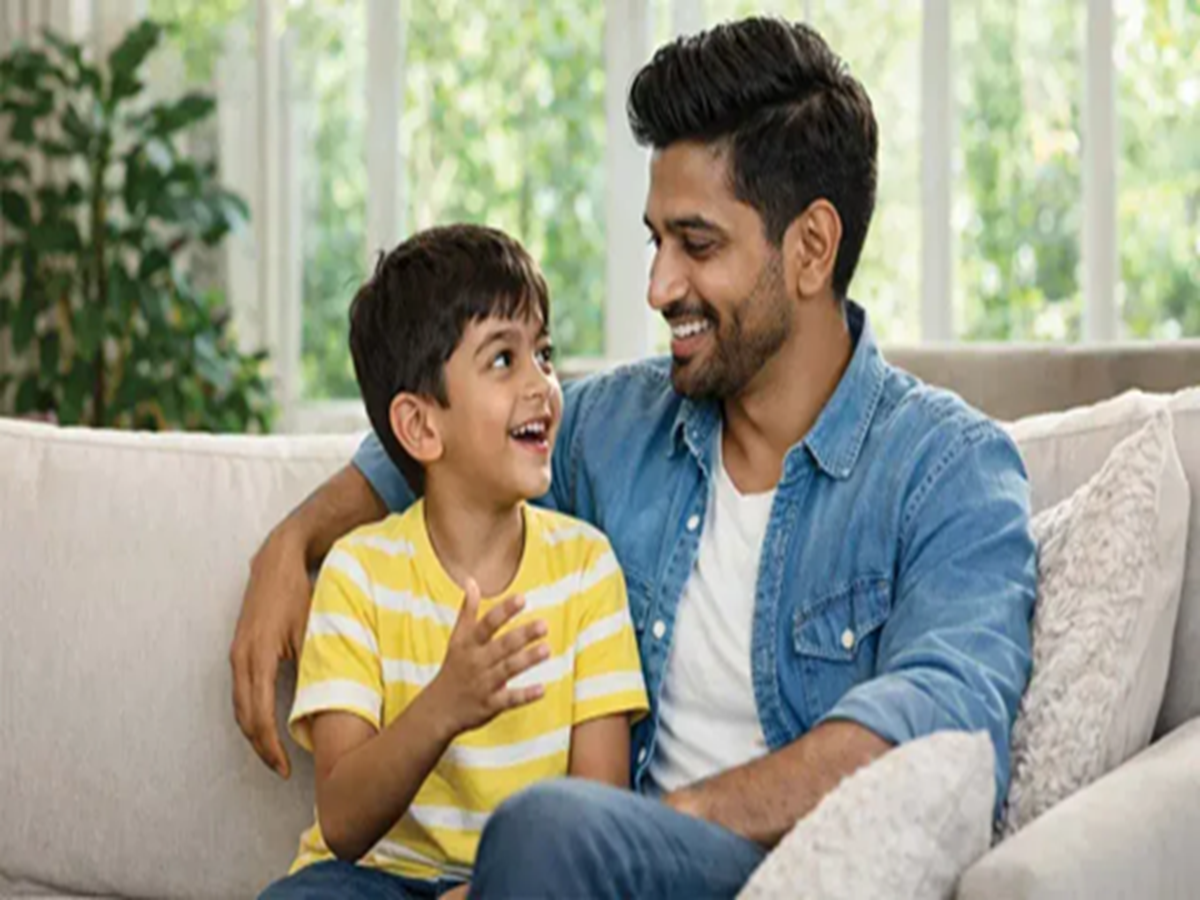
A father’s heart holds an ocean of deep love for his children; he simply may lack the knack or practice to articulate that depth through words. Once we accept this psychological truth, our perspective toward our fathers changes completely.
PC Social Media