
Parenting
Parenting: Does your child also stay glued to a screen all day long? Try these 3 tricks to boost their focus...
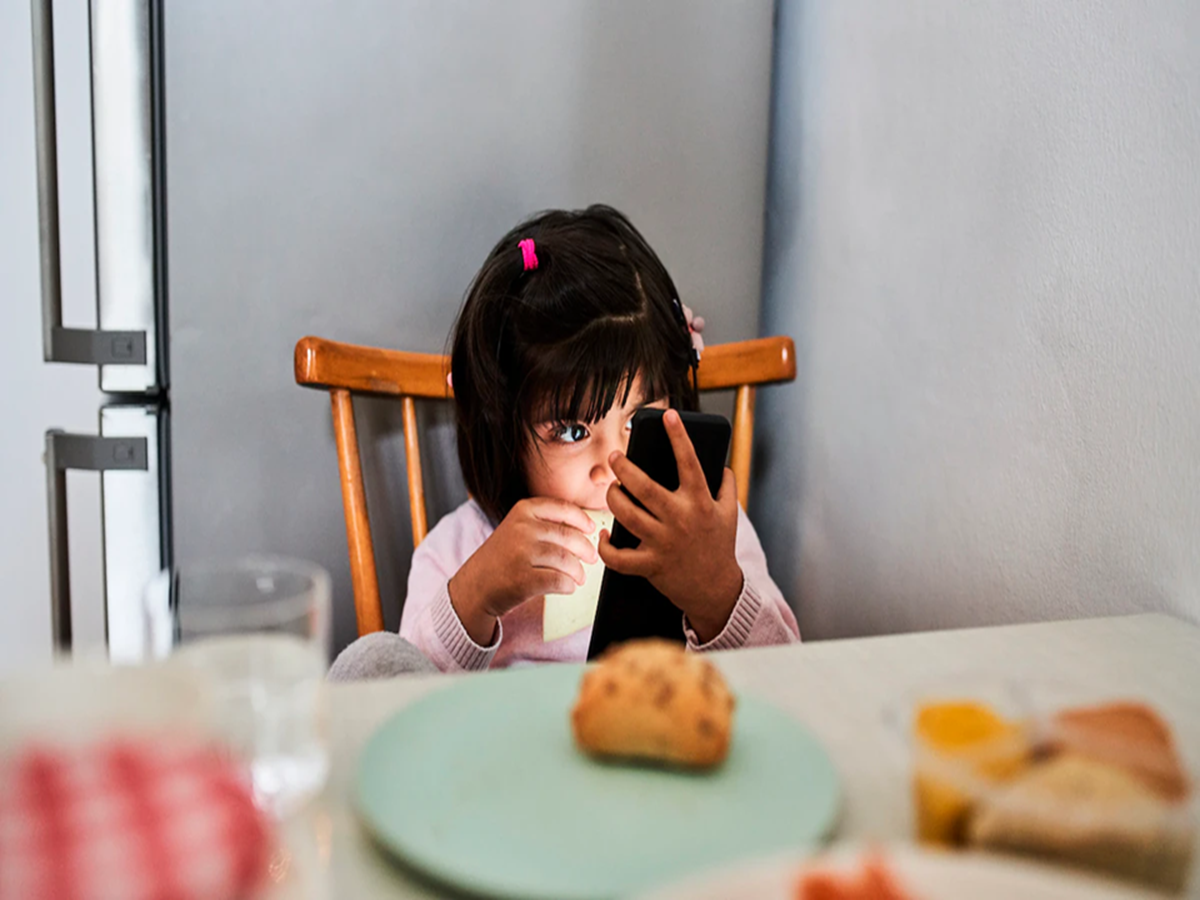
Amidst their growing influence, the primary challenge today is how to cultivate a culture of reading. Modern childhood is increasingly becoming confined within the glow of screens. Mobile phones, television, and social media 'Reels' have rendered the world of children immediate and superficial.

This shift is not limited merely to habits; it is also impacting their thinking, concentration, and sensitivity. In such times, reconnecting children with the world of books is not merely an option, but an absolute necessity—for books are the very medium that fosters patience, depth, and imagination within a child.
**The Home Environment Matters**
It is often said that in a home devoid of books, ideas, too, do not linger for long. This adage holds particular relevance in the context of children. Habits cultivated during childhood form the very foundation of one's entire life. If a reading habit is fostered during this formative stage, the child evolves into an individual who does not merely pass examinations but who truly understands life, asks questions, and engages in critical thought. In this regard, the role of the family is paramount. Children learn not through sermons, but through example. If parents themselves read, discuss books, and integrate them into their daily lives, a natural inclination toward reading develops within the child.
**An Engaging Routine Proves Helpful**
Renowned children's author Harikrishna Devsare has aptly stated that the habit of reading is not *taught* to children; rather, they are provided with an environment in which they begin to read of their own accord. If screens dominate the home environment, books inevitably get pushed to the sidelines. Therefore, it is essential to create a home atmosphere where books are treated as functional tools—meant to be used—rather than mere decorative objects. Children tend to become what they observe daily, rather than simply what they are told to do. This constitutes the fundamental principle underlying this entire process. If parents set aside a specific amount of time each day for reading—and do so in the presence of their children—this habit will gradually begin to take root in the children as well. Reading stories to young children, reading aloud with expressive gestures, and asking them simple questions serve to make this entire process engaging and enjoyable. **Choose the Right Literature**
Providing children with options is equally essential. When they are granted the freedom to select books of their own choice, reading transforms into a source of joy for them. Books offer not merely words, but also a distinct way of thinking. Consequently, mindfulness is crucial when selecting literature. In this context, child-friendly publications from Gita Press—such as the *Bal Chitra Ramayana* (Illustrated Ramayana for Children) and *Prerak Bal Kahaniyan* (Inspiring Stories for Children)—effectively convey moral values through simple language.
Conversely, publications from Suruchi Prakashan—such as *Anmol Kahaniyan* (Precious Stories), biographies of great personalities, and inspiring anecdotes—foster courage, idealism, and a sense of national consciousness in children. These books do not merely impart information; rather, they play a pivotal role in shaping a child's character and worldview. The nature of books has evolved significantly today; they are no longer just read, but also listened to. Audiobooks are connecting children with stories—a positive development—yet the acts of reading and listening are not synonymous.
**Balancing Screens and Books**
Numerous studies today indicate that excessive screen time adversely affects children's concentration and memory retention. In light of this, it is imperative to strike a balance in the usage of digital media. A complete ban is neither practical nor feasible; however, establishing clear time limits is essential to ensure that children have the necessary mental space and leisure to engage in reading.

It must be understood that the habit of reading is not an instantaneous achievement; rather, it is a continuous process that gradually evolves into a deeply ingrained disposition. Cultivating this habit requires patience, consistency, and the right guidance. If the family, the school, and society work in unison toward this objective, childhood can once again be ushered back into the world of books. It is only when childhood reconnects with books that society will truly become enriched with ideas.
PC Social Media