LIFESTYLE
OPINION: Give your daughters these 3 things instead of dowry—even in their in-laws' home, no one would dare lay a finger on them..

Dowry was once viewed as a means to ensure a daughter's financial security, but over time, it has evolved into a social evil that has impacted the lives of millions of families. Even today, many women across the country face demands for dowry, mental harassment, and violence. According to 2024 NCRB data, 5,737 women lost their lives in a single year due to harassment related to dowry—an average of 16 women losing their lives every day. These figures are not merely statistics; they represent the stories of daughters who had entered their marital homes dreaming of a better life.
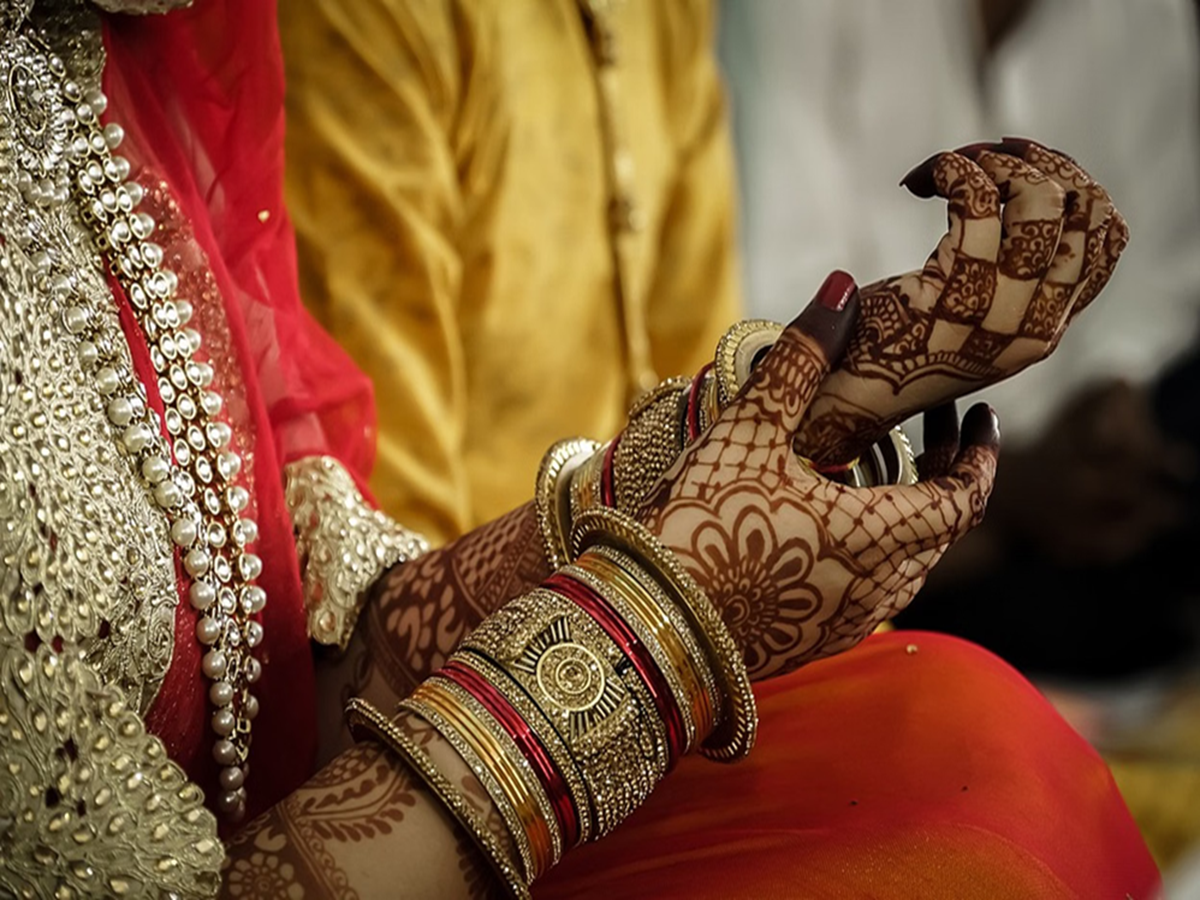
Historically, the practice of dowry was not what it is today. In the past, parents would provide their daughters with assets, jewelry, or essential items to ensure their financial security after marriage; this was considered a form of safeguarding the daughter's rights and well-being. However, the tradition gradually transformed into a system of demands and transactions. The initial spirit of giving to the daughter was overshadowed by the rising expectations and pressure from the groom's family. Consequently, dowry became a burden for many families.
If accepting dowry is a crime in India, why do such incidents still occur?
In India, both giving and accepting dowry are criminal offenses. Under the Dowry Prohibition Act of 1961, demanding, accepting, giving, or abetting dowry in any way is a punishable offense. Conviction under the law can lead to a minimum of five years in prison, along with a fine of ₹15,000 or an amount equivalent to the value of the dowry accepted—whichever is higher. Although the Act aims to curb the dowry system and protect women from related harassment, the crime continues to be committed openly. If this crime persists, where does the fault lie—with the bride's parents or the in-laws? It takes two to tango. Parents often provide lavish dowries hoping for a good life for their daughter, yet many in-laws remain unsatisfied, as their demands continue to escalate. And then? Women are often harassed over dowry throughout their lives, and in many instances, even killed because of it.
The case of Twisha Sharma has been widely discussed over the past few months. Other notable cases include those of Deepika Nagar, Delhi Police SWAT commando Kajal Chaudhary, Nikki Bhati from Greater Noida, Neelam Bharti from Aligarh, and the infamous Nisha Sharma case—one of India's most high-profile dowry cases. These are just a few examples; the list is actually quite long. To be honest, instead of dowry, parents should provide their daughters with these three essential things...
**Invest dowry funds in education**
Today, there is a need for parents to give their daughters something that stays with them for a lifetime, rather than a dowry. The first and most crucial element is education. If a significant portion of the money that families spend on weddings and dowry were instead invested in a daughter's education, skills, and career, she could stand on her own feet. An educated and self-reliant woman possesses the power to make her own decisions; she does not need a dowry to command respect.
**Abundant love and self-respect**
The second essential is abundant love and the lesson of self-respect. Girls often grow up in environments where they are taught to endure everything. Consequently, if someone speaks harshly to them, belittles them, or causes them mental distress after marriage, they may come to view such behavior as normal. Therefore, it is vital to teach daughters from childhood that respect is their right. They must realize that there is no place for humiliation or fear in any relationship.
**Unwavering parental support**
The third—and perhaps most important—factor is unwavering support from parents. Every daughter should have the assurance that if she ever faces a crisis, her parents will stand by her. She should not remain silent out of fear of what society might say or what her family might think. When daughters know that the doors of their parental home are always open to them, they find the courage to speak up against mistreatment.
PC Social Media