
Business
One Nation, One GST Registration: Government Forms CBIC Panel to Simplify GST Compliance Across India
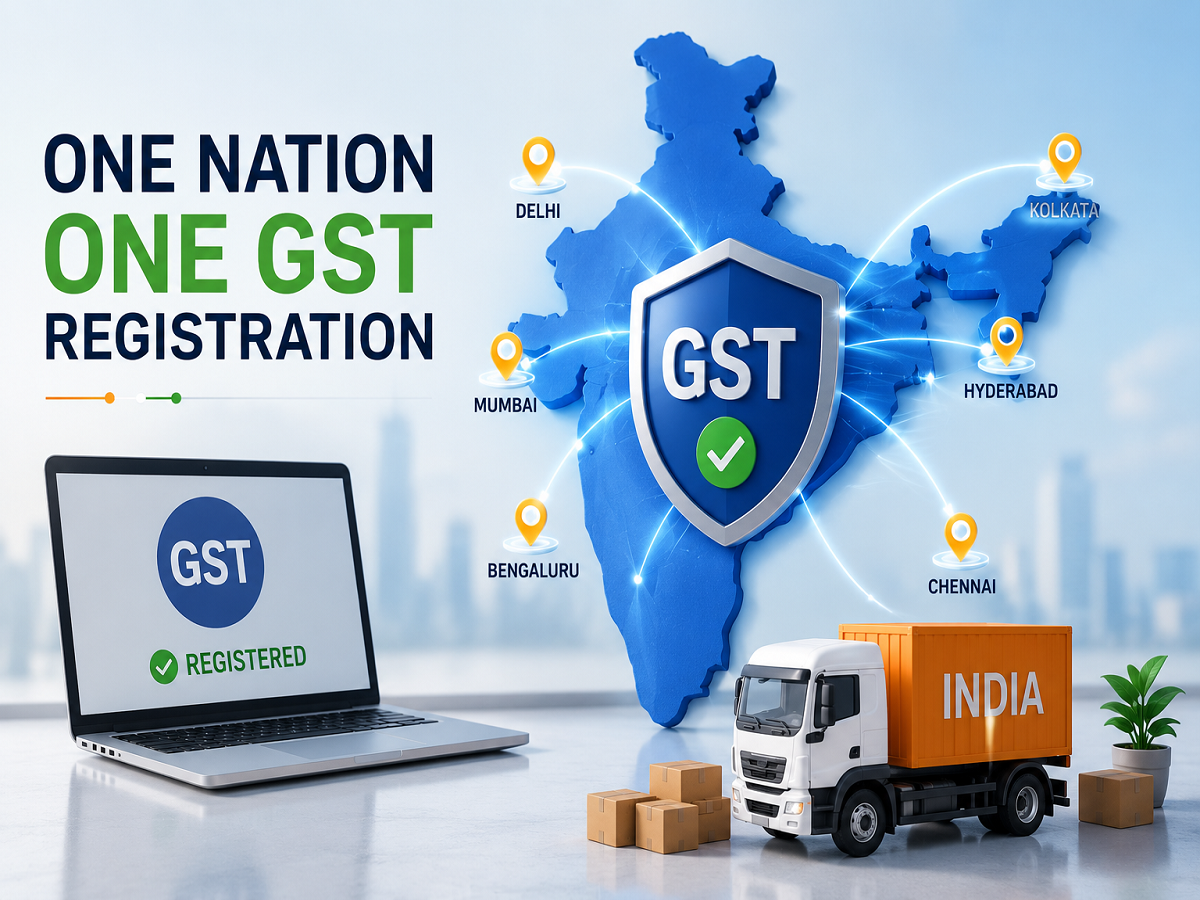
The Central Government has taken a significant step toward simplifying India's Goods and Services Tax (GST) framework by initiating work on a "One Nation, One GST Registration" model. The Central Board of Indirect Taxes and Customs (CBIC) has constituted an 11-member working group to study the feasibility of introducing a centralized GST registration system for businesses operating across multiple states.
If implemented, the proposal could substantially reduce compliance requirements for companies with operations in several states and strengthen the government's broader ease of doing business agenda.
CBIC Sets Up 11-Member Working Group
The newly formed working group has been tasked with examining how a centralized GST registration system could function under the existing tax structure.
According to the proposal under review, businesses holding multiple GST registrations linked to the same Permanent Account Number (PAN) could eventually be brought under a more integrated administrative framework.
The committee has been asked to submit its recommendations to the government within 30 days.
Why Is the Government Considering This Move?
Under the current GST regime, businesses are generally required to obtain a separate GST Identification Number (GSTIN) for every state or Union Territory in which they conduct taxable business operations.
This requirement exists because GST administration is divided between the Centre and individual states, resulting in separate tax jurisdictions and compliance obligations.
For companies operating nationwide, managing multiple GST registrations often increases administrative work, documentation, return filing, and compliance costs.
The proposed review aims to explore whether these procedures can be simplified without affecting tax collection or regulatory oversight.
Focus on Linking Multiple GSTINs With One PAN
One of the key areas the working group will study is whether multiple GST registrations belonging to a single business can be centrally managed through the same PAN.
Instead of treating each GST registration independently, the proposal seeks to examine whether a unified administrative structure can be developed while maintaining compliance with existing tax laws.
The panel is also expected to evaluate international practices and study how similar tax administration models operate in other countries before making recommendations.
How Could Businesses Benefit?
Although no policy changes have been approved yet, a centralized GST registration system could offer several potential advantages if implemented.
Possible benefits include:
- Simplified GST compliance for businesses operating across multiple states.
- Reduced paperwork and administrative burden.
- Easier management of multiple GST registrations.
- Improved coordination between central and state tax authorities.
- Lower compliance costs for businesses with nationwide operations.
Such reforms could particularly benefit large corporations, manufacturing companies, logistics providers, retail chains, and e-commerce businesses that currently maintain numerous GST registrations.
Current GST Registration System Remains Unchanged
At present, businesses are still required to follow the existing GST registration rules.
Every eligible business operating in different states must continue obtaining separate GST registrations wherever applicable under the GST law.
The government's latest move represents only the beginning of a policy review. No changes to registration requirements have been notified so far.
What Happens Next?
The working group will prepare its report after studying:
- The feasibility of centralized GST administration.
- The possibility of linking multiple GSTINs with a single PAN.
- International best practices.
- Administrative and legal implications of the proposed system.
Once the report is submitted, the recommendations are expected to be examined by the government before being placed before the GST Council for further discussion.
Since GST is jointly administered by the Centre and the states, any major structural reform would require consensus among GST Council members before implementation.
Part of the Ease of Doing Business Initiative
The proposed review aligns with the government's broader objective of improving the business environment by reducing procedural complexities.
Simplifying GST registration has been a long-standing demand from industry bodies and businesses operating across multiple jurisdictions. A more streamlined system could improve operational efficiency while maintaining tax compliance.
Bottom Line
The formation of an 11-member CBIC working group marks an important step toward evaluating the feasibility of a One Nation, One GST Registration framework. The panel will study whether multiple GST registrations linked to a single PAN can be administered through a centralized system and submit its recommendations within 30 days. While the proposal has not yet been approved, any future reforms will require detailed government review and the approval of the GST Council before businesses can benefit from a simplified nationwide GST registration system.