Food & recipe
Offerings for the 9 Days of Navratri: What to Offer Each Form of Goddess Durga Daily? See the Full List..
Navratri Bhog (Offering) List for 9 Days: During Sharadiya Navratri, the nine forms of Goddess Durga are worshipped with full ritualistic devotion. There is a religious tradition of offering *Bhog* (sacred food offerings) to the Goddess according to her preferences during the worship. It is believed that offering specific *Bhog* to the different forms of the Mother Goddess on each day of Navratri brings her blessings to the devotees.
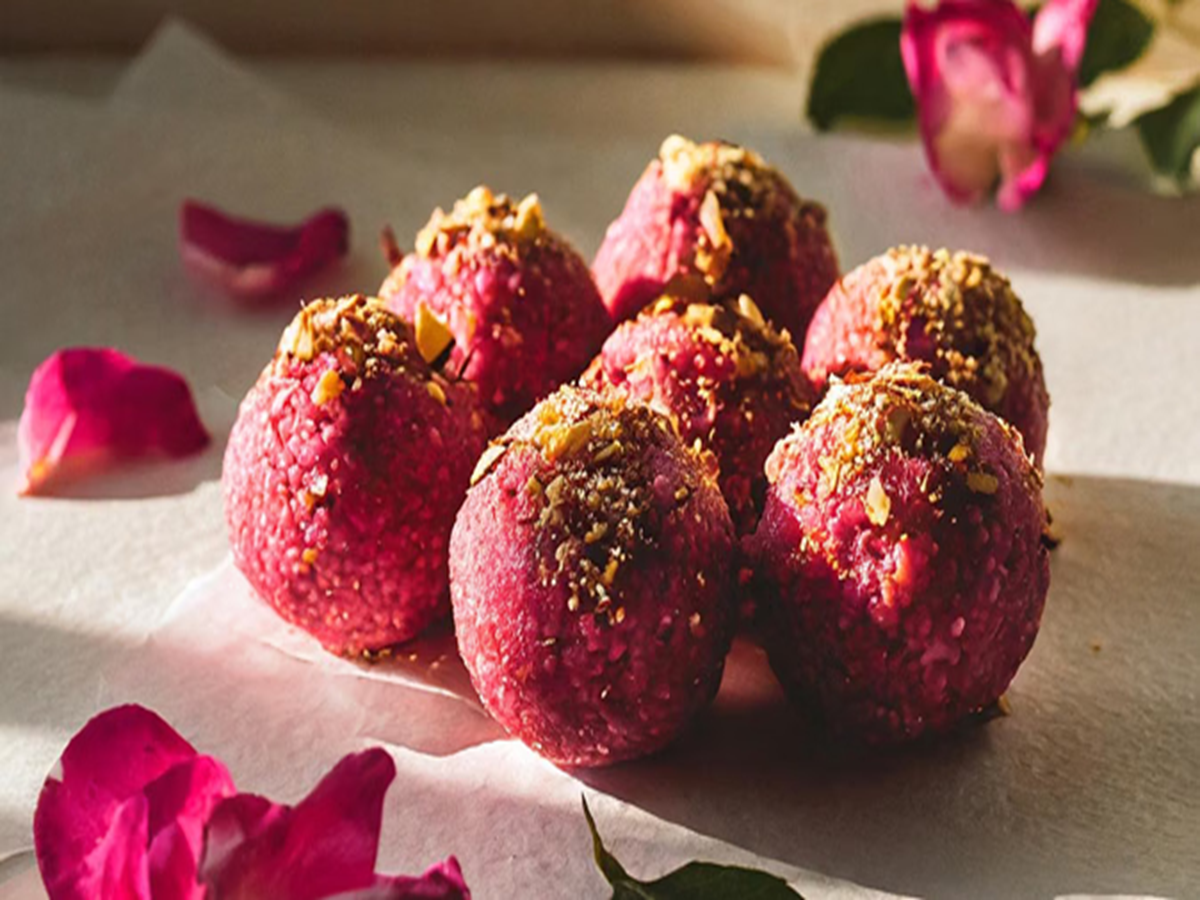
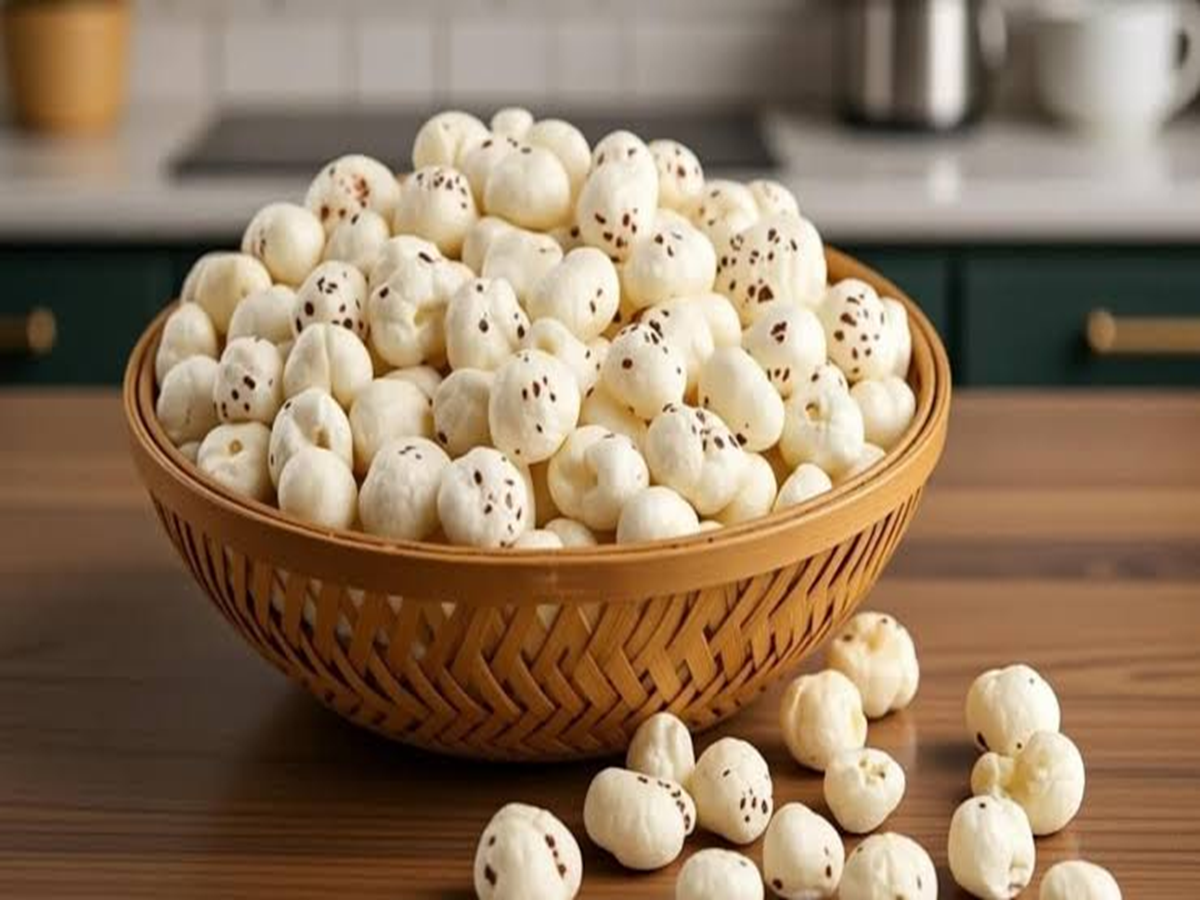
In many households, special *Bhog* preparations are made for all nine days, starting from the day of *Ghatsthapana*. While fruits and *makhana* (fox nuts) are offered in some places, traditional delicacies like *Halwa*, *Kheer*, and *Malpua* are offered in others.
The *Bhog* offered on *Ashtami* (the eighth day) and *Navami* (the ninth day)—often accompanied by *Kanya Pujan* (worship of young girls)—holds special significance. If you wish to offer a unique *Bhog* to Goddess Durga each day this Navratri, here is the complete list of offerings for the nine days—from *Shailaputri* to *Siddhidatri*—along with the associated religious beliefs.
Day 1: Maa Shailaputri — Ghee Halwa
There is a tradition of offering *Ghee* (clarified butter) as *Bhog* to Maa Shailaputri on the first day of Navratri. You can prepare *Halwa* using semolina (*suji*) or wheat flour (*atta*) to offer to the Goddess. If you are observing a fast, try *Aloo Halwa* (potato halwa), as it is suitable for fasting (*falahari*). Use pure *ghee* in the *Halwa* and distribute it as *Prasad* after the offering.
Day 2: Maa Brahmacharini — Sugar and Panchamrit
You can prepare *Panchamrit* for the second day. *Panchamrit*—made from milk, curd, honey, *ghee*, and sugar—is an excellent choice for the worship. Along with this, *Mishri* (rock sugar) or *Peda* (a milk-based sweet) can also be offered.
Day 3: Maa Chandraghanta — Kheer
Offer rice *Kheer* (rice pudding) to the Goddess on the third day. *Kheer* prepared with milk, rice, sugar, and cardamom can be garnished with dry fruits and served as *Prasad*. Those observing a fast should select ingredients according to their specific fasting traditions.
Day 4: Maa Kushmanda — Malpua
On the fourth day, *Malpua* can be prepared as an offering (*bhog*). Fry it in *ghee* and garnish with a little cardamom or dry fruits. Fresh, homemade *Malpua* serves as a delicious *Prasad* for the family alongside the offering made to the Goddess.
Day 5: Maa Skandamata — Bananas
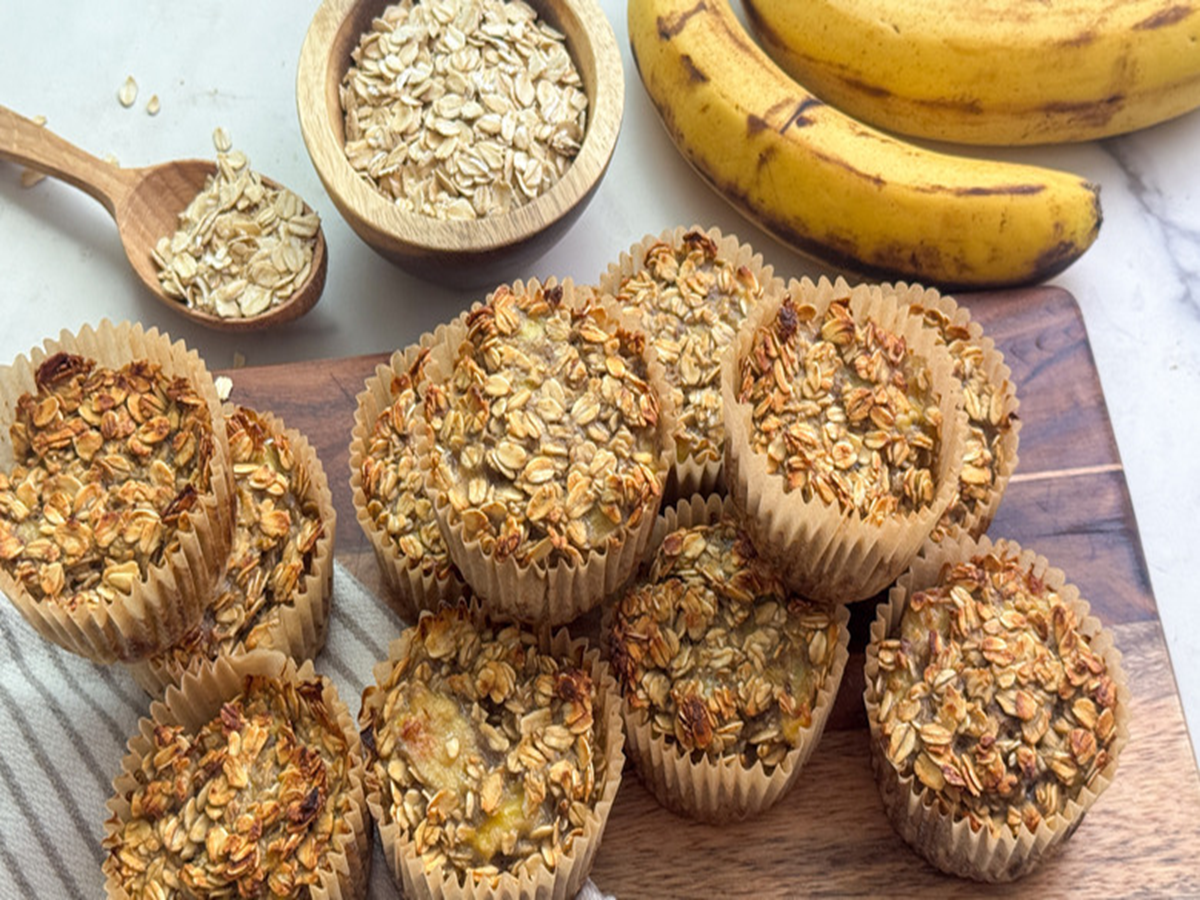
Bananas are offered on the fifth day. You can prepare *Banana Barfi* for this occasion; it is considered both tasty and healthy.
Day 6: Maa Katyayani — Honey and Fruits
Offer honey and seasonal fruits to the Goddess on the sixth day. You can also prepare a small fruit platter with fruits like bananas, apples, pomegranates, and grapes. This is a simple offering that requires minimal effort.
Day 7: Maa Kalaratri — Jaggery-based Sweets
Sweets made from jaggery (*gur*) can be offered on *Saptami* (the seventh day). Jaggery *Laddus*, jaggery *Kheer* (pudding), or sweets made from jaggery and coconut are easy options.
Day 8: Maa Mahagauri — Coconut Sweets
Coconut holds special significance on *Ashtami* (the eighth day). You can offer *Coconut Barfi*, *Coconut Laddus*, or *Coconut Kheer* to the Goddess on this day. These can also be included in the *Prasad* during *Kanya Pujan* (worship of young girls).
Day 9: Maa Siddhidatri — Halwa, Puri, and Chana
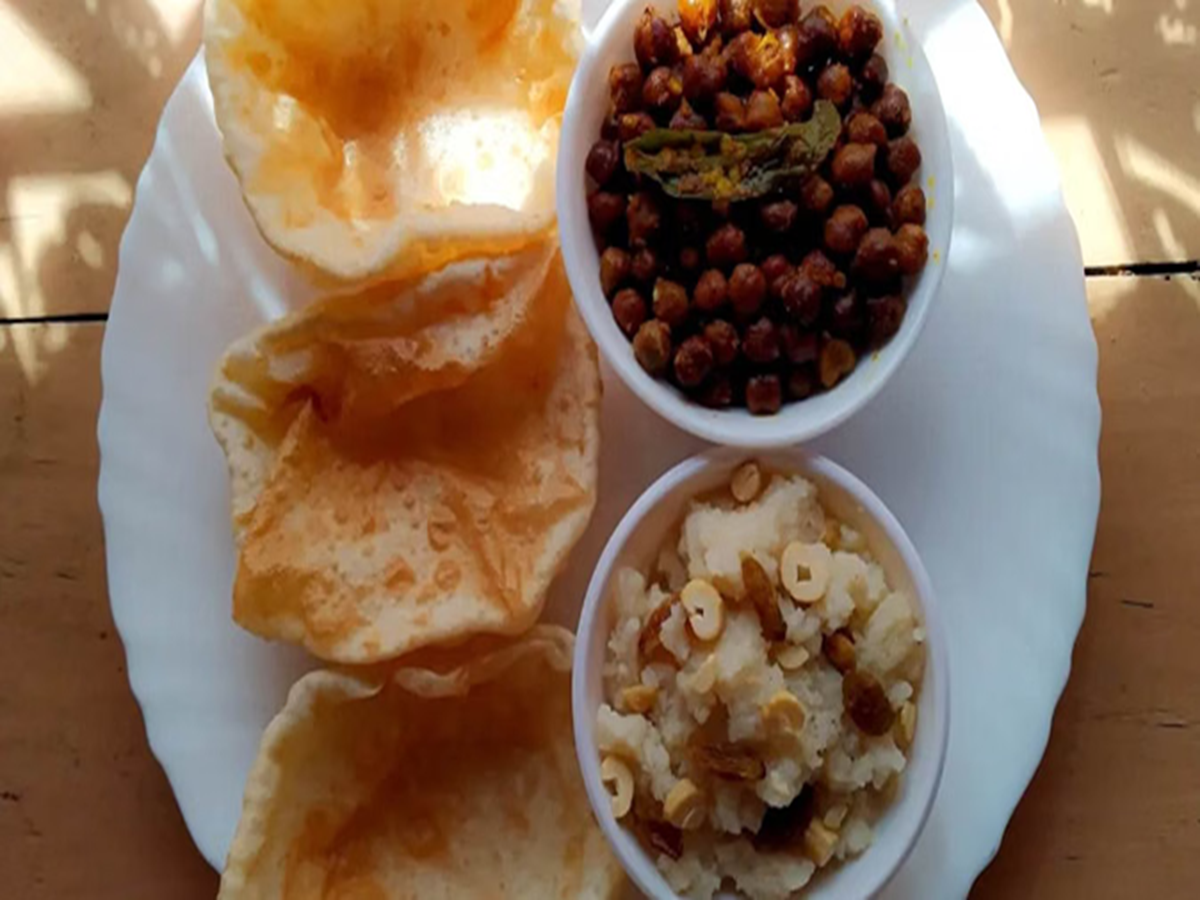
The most popular offering on *Navami* (the ninth day) consists of black chickpeas (*kala chana*), semolina *Halwa*, and *Puri*. This traditional meal is also prepared in many households during *Kanya Pujan*. You can make the *Halwa* delicious by adding *ghee* and dry fruits.
PC Social Media