
LIFESTYLE
No food or water for 36 hours! How does the body function during the rigorous Chhath fast?
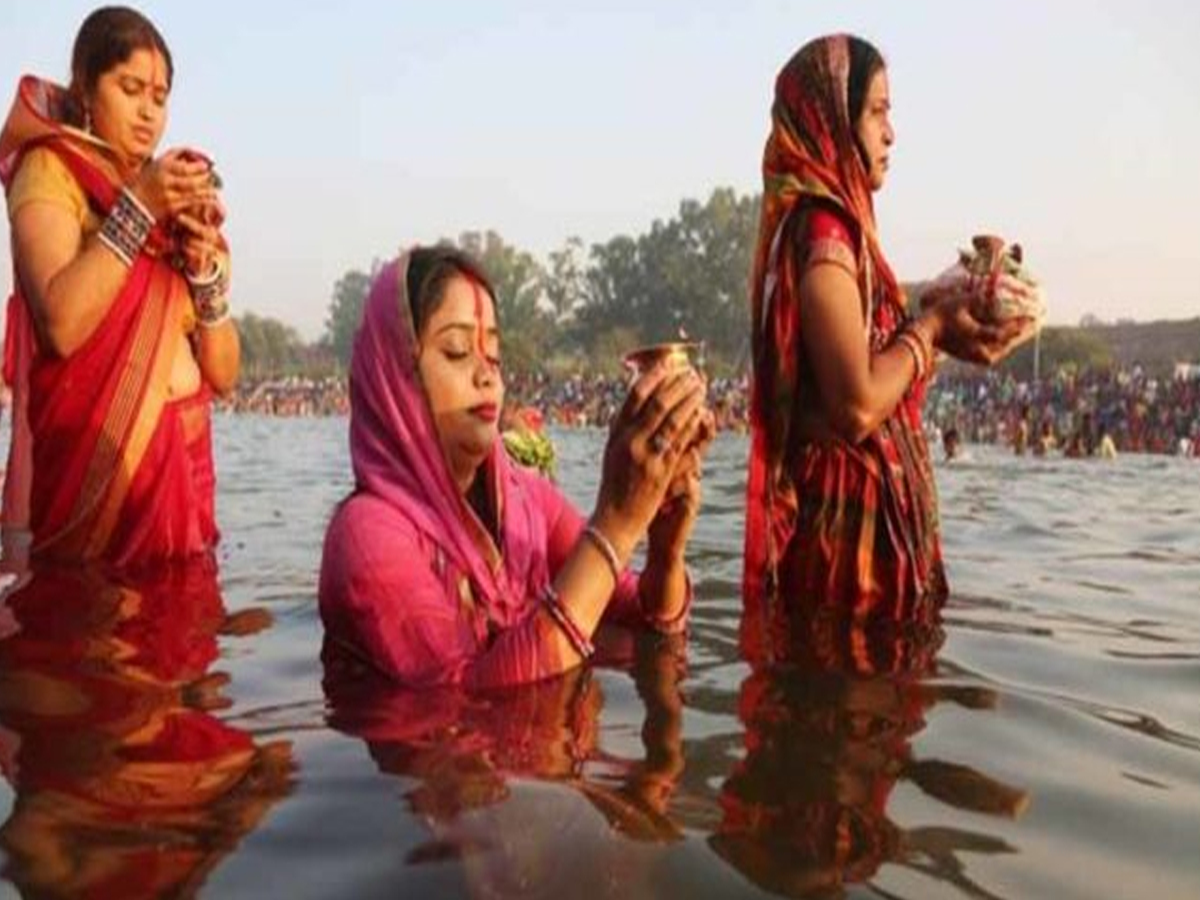
The grand festival of Chhath is celebrated on the sixth day after Diwali. This year, Chhath Puja begins on November 13th with the 'Nahay-Khay' ritual. Chhath is a symbol of faith, devotion, and rigorous penance. During this period, those observing the fast (vratis) remain without food or water for approximately 36 hours—a 'nirjala' (waterless) fast. This demanding fast, which commences after the 'Kharna' ritual, concludes only after offering 'arghya' (oblations) to the rising sun.
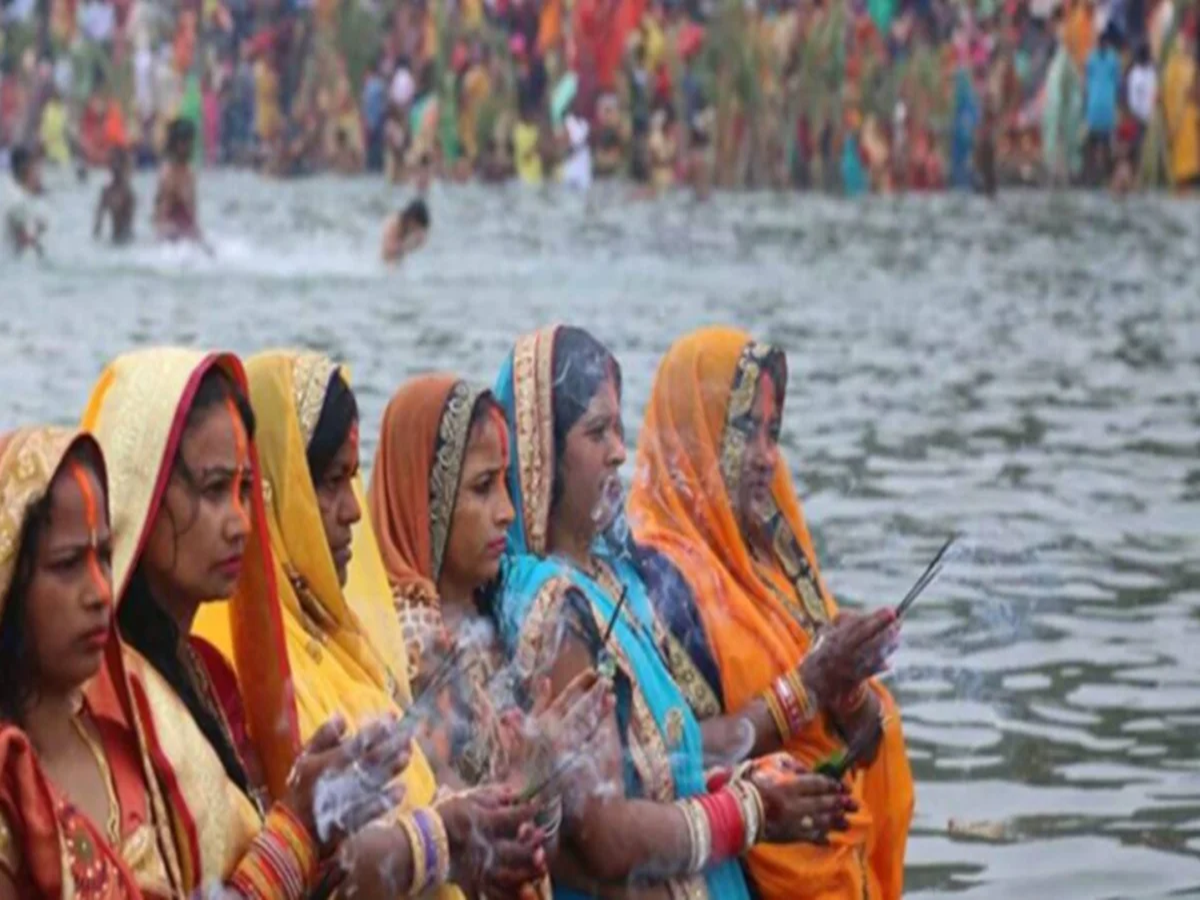
According to religious beliefs, this fast holds special significance, and devotees follow its prescribed rules with utmost dedication. But have you ever wondered how the body functions when it goes without food and water for such an extended period? How does the body meet its needs when it receives no energy from external sources? And how does this affect the heart, brain, and kidneys? In reality, several physiological changes occur during a waterless fast. From a scientific perspective, this state can be quite challenging for the body.
The body begins to draw energy from stored fat.
When we consume food, the body stores a portion of the resulting energy as glycogen in the liver and muscles—essentially acting as the body's energy reserve. When food is unavailable for a long duration, the body first utilizes this stored glycogen. During a fast lasting 18 to 36 hours, the liver's glycogen stores can become significantly depleted. Following this, the body increases its reliance on stored fat for energy. This process produces substances called ketones, which provide energy to certain parts of the body.
The kidneys conserve water during periods of scarcity.
Water in the body is essential for maintaining blood circulation, regulating body temperature, and flushing out waste products. When the body goes without water for an extended period, a deficiency arises—a condition known as dehydration. In such a state, the brain releases an 'antidiuretic hormone.' This signals the kidneys to conserve water. As a result, urine output decreases, and the urine may become darker in color.
Impact on the heart and brain
A lack of water in the body can lead to a reduction in blood volume, which carries the risk of a drop in blood pressure. Consequently, those observing a fast may experience symptoms such as dizziness, weakness, or a darkening of vision when standing up suddenly. In some cases, the heart rate may also increase; this happens because the body attempts to ensure that blood reaches vital organs. Heat and excessive sweating can further exacerbate these issues.
Disruption of the sodium-potassium balance
Minerals like sodium and potassium are essential for the proper functioning of the heart, nerves, and muscles. During a waterless fast (*nirjala vrat*), a lack of fluids can disrupt the balance of these minerals, potentially leading to muscle cramps, weakness, and an irregular heartbeat. Severe dehydration can also reduce blood flow to the kidneys, which may result in kidney damage.
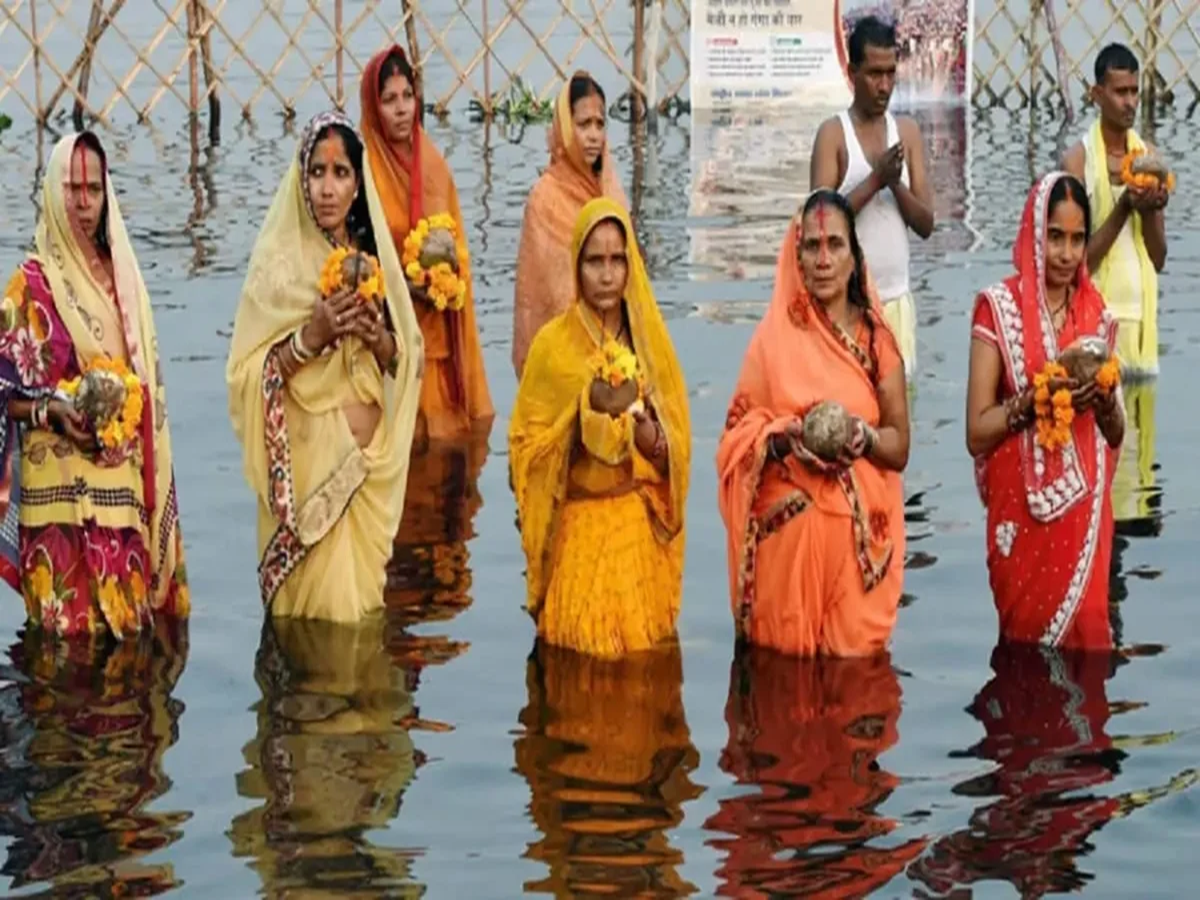
Important considerations
While the Chhath fast is a matter of deep faith, one’s health should not be overlooked. Going without water for an extended period can lead to severe dehydration and other health complications. Individuals with pre-existing medical conditions should consult a doctor before undertaking a waterless fast. If symptoms such as dizziness, fainting, confusion, or extreme weakness occur, seek medical assistance immediately.
PC Social Media